
In this Page
Where cities hide in the mist
Amazonas holds a special place within the Peruvian Amazon. It is surrounded by orchids and inhabited by spectacular species such as the spatuletail hummingbird, the spectacled bear, and the mythical cock-of-the-rock. This region is home to natural, cultural, and archaeological wonders that remained undiscovered until recent years, making it one of the favorite destinations for tourism and for discovering stories never heard before.
So now you know: if you want to be amazed with every step you take, Amazonas is the perfect destination, thanks to its magnificent natural landscapes and its ancient history, which opens itself to visitors. Nothing compares to walking along a cool and humid trail while sunlight filters through the fleeting gaps between the trees, until you finally arrive at your destination and stand in awe before an imposing waterfall.
Want to know more? Here is the information you need.
Between the city and nature
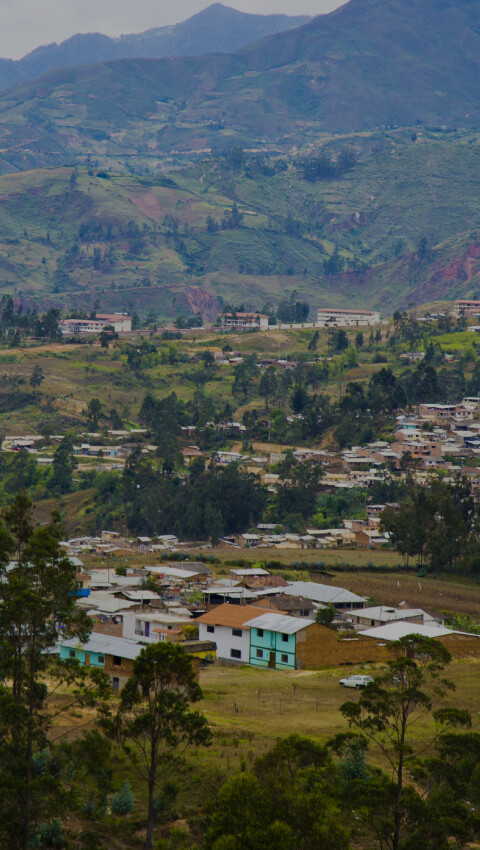
Your journey begins in the region’s capital city. Located between the Andes and the Peruvian Amazon, Chachapoyas charms visitors with its colonial-republican mansions. Do not hesitate to ask for directions: the city’s residents are friendly toward tourists and willing to help. Here, you will find a variety of accommodations and tourism services that will introduce you to the wonders of Amazonas.
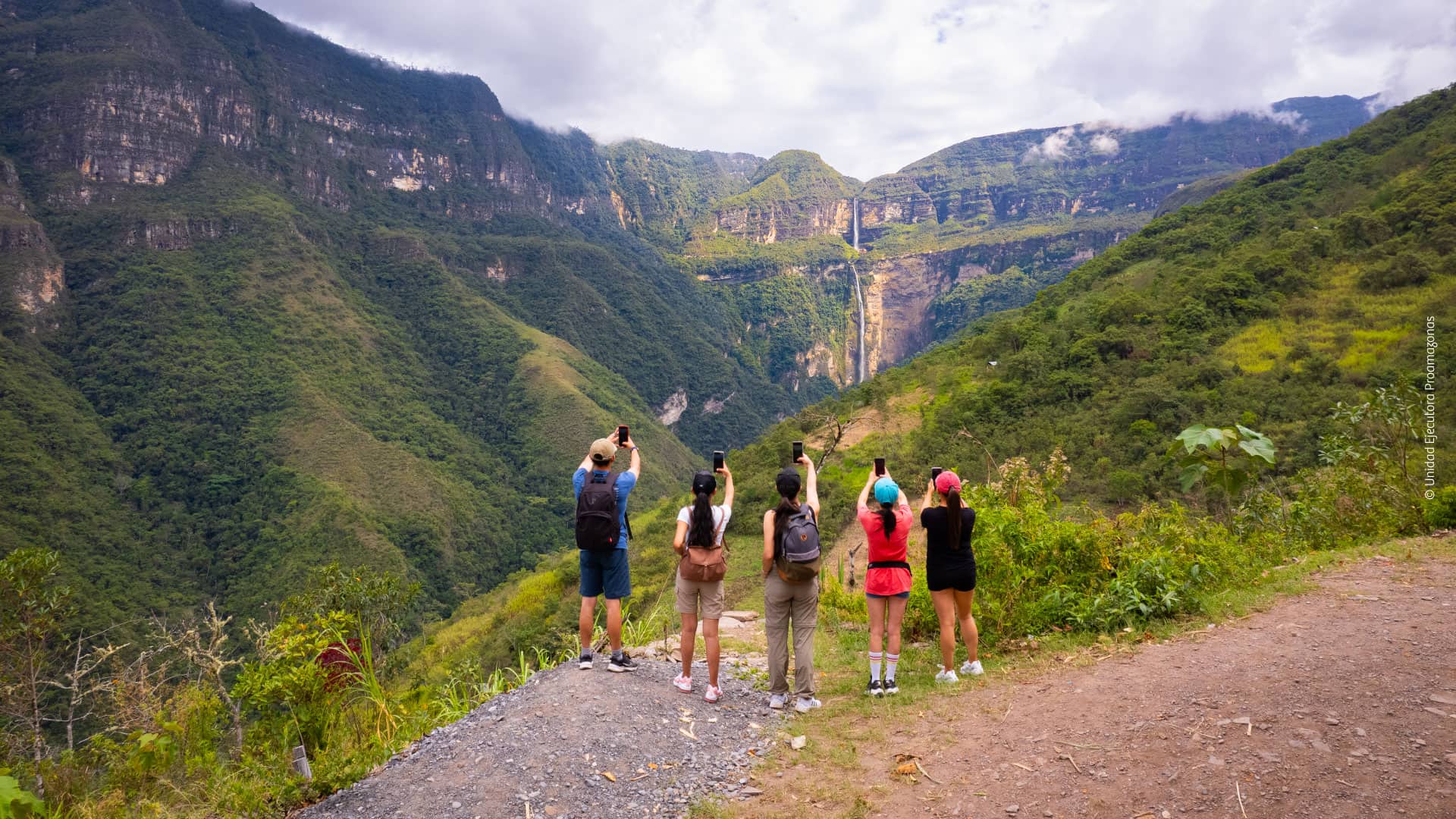
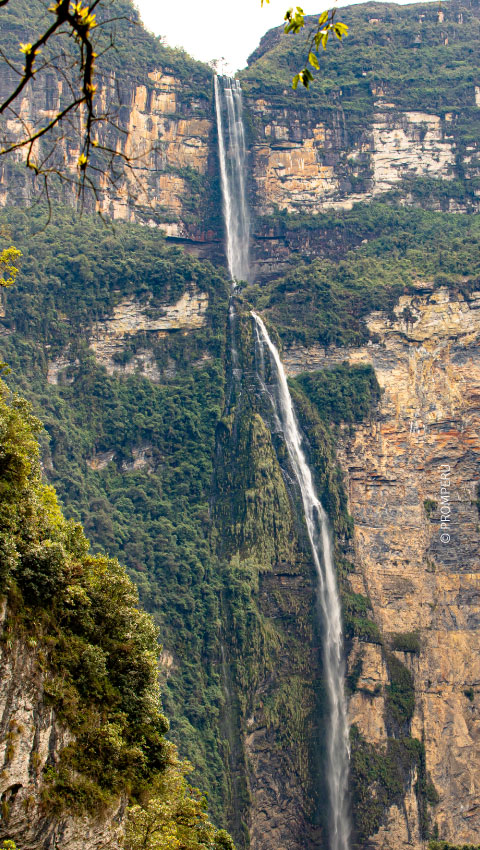
On the way to Gocta, in the district of Valera. / © Unidad Ejecutora Proamazonas
The journey to Gocta, located in the district of Valera, is an unforgettable experience. It involves a combination of transportation methods that may include buses, horses, and hiking, beginning in the villages of Cocachimba or San Pablo, the closest towns to the waterfall, until reaching one of the tallest waterfalls in the world. Gocta has a drop of more than 700 meters, divided into two impressive cascades.
And what about its surroundings? They are just as spectacular: multicolored orchids and vegetation can be found everywhere, while more than 110 bird species, yellow-tailed woolly monkeys, and spectacled bears inhabit this part of the rainforest.
A must-visit museum
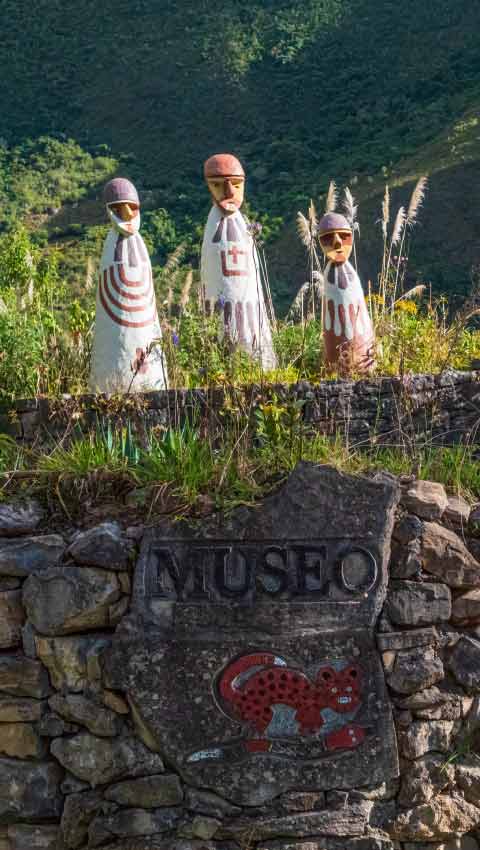
The Leymebamba Museum deserves a paragraph of its own. Located about two and a half hours from Chachapoyas, it can be accessed by bus or car. Inside, visitors will find more than 200 mummies and over 2,000 funerary objects discovered by chance in 1996 within the mausoleums of Laguna de los Condores. These mummies belong to the Chachapoyas culture and offer insight into the burial traditions of their ancestors.
Amazonas and the Chachapoya culture
Before visiting its sarcophagi, mausoleums, and fortresses, it is worth understanding why Amazonas is such an important region for discovering the Chachapoya legacy. This culture developed among mist-covered mountains, humid forests, and steep slopes that were difficult to conquer, an environment that deeply shaped its architecture, its relationship with nature, and its funerary practices.
The Chachapoya are known as the “Cloud Warriors,” a name closely tied to the landscape where they left their most important traces. Their constructions are often found in high-altitude areas, along cliffs, or in hard-to-reach locations, as if they sought to preserve the memory of their communities in places where the mountains themselves also held a sacred role.
That connection with high-altitude landscapes can be seen in funerary monuments such as Karajia and Revash, where death was treated with respect, symbolism, and remarkable technical skill. These tombs not only protected bodies and offerings, but also expressed a way of understanding the relationship between ancestors, the land, and the continuity of life.
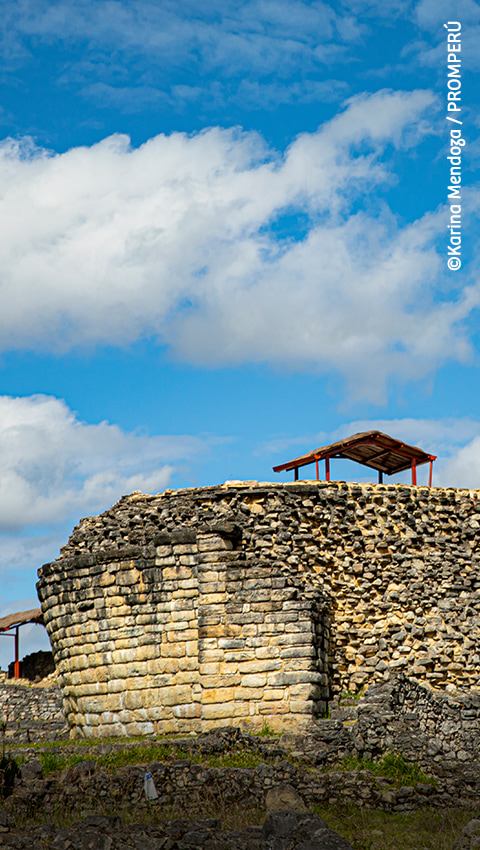
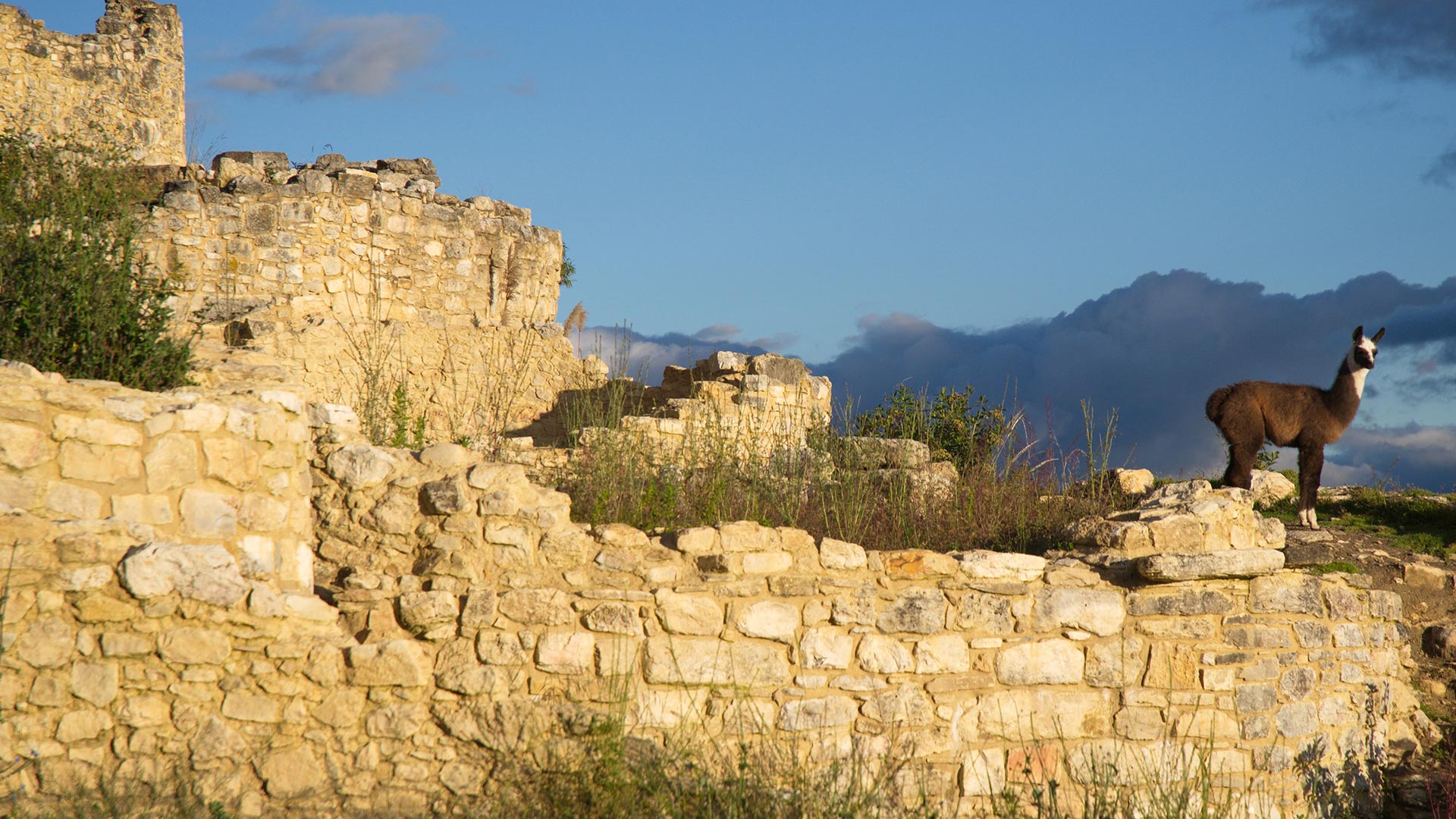
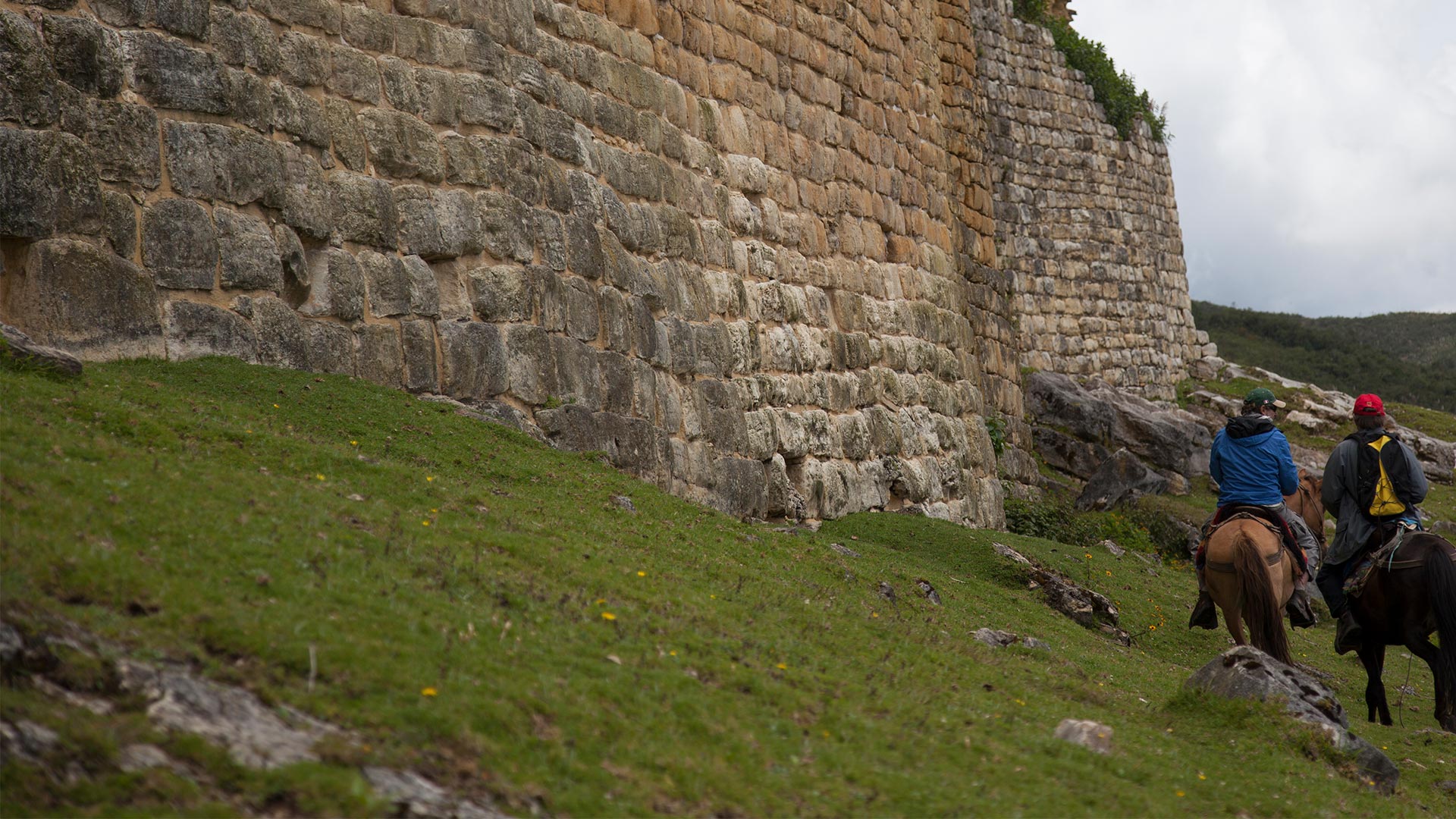
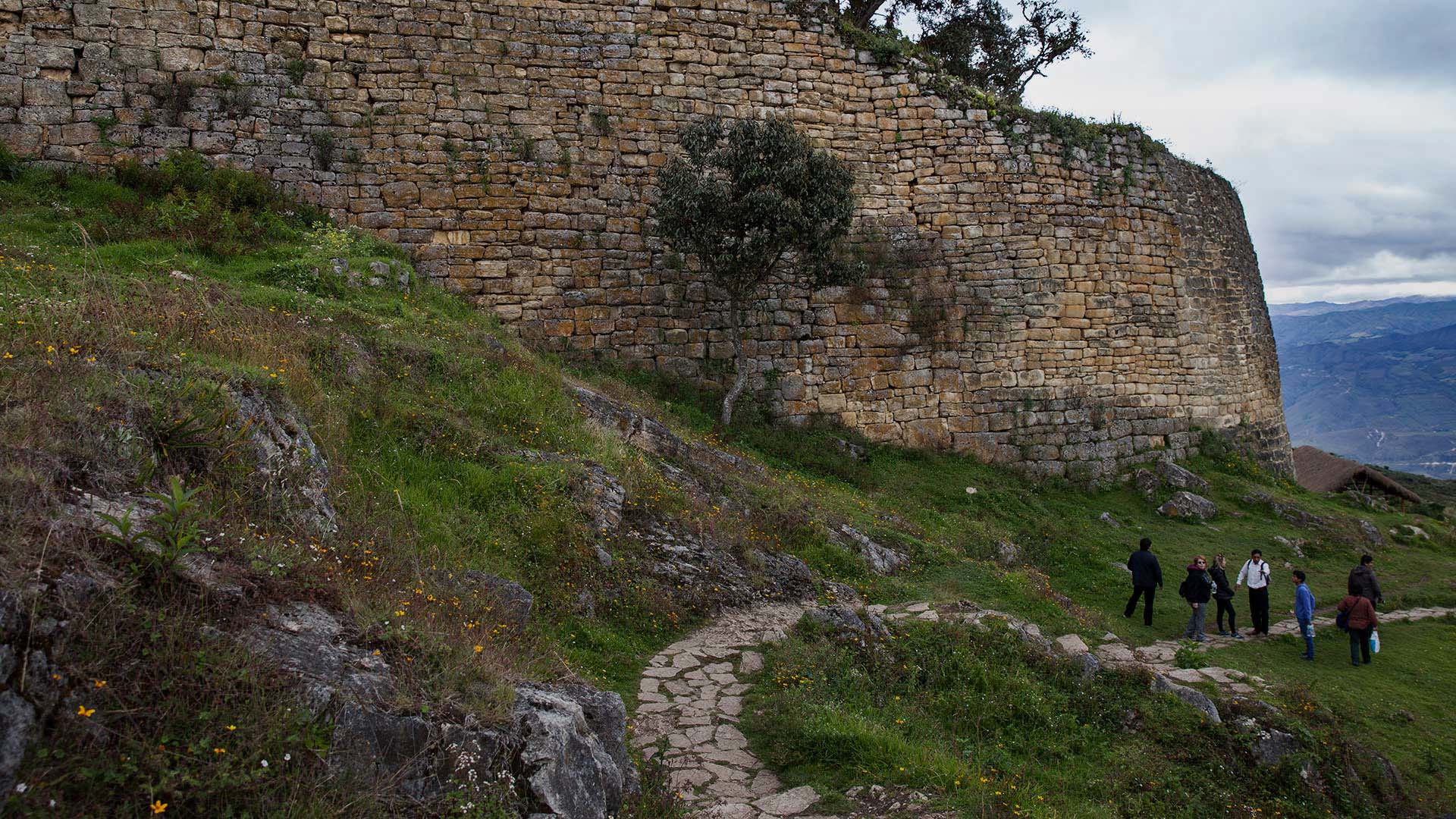
Kuelap, meanwhile, reveals another side of the Chachapoya world. Its walls, circular structures, and interior spaces reveal an organized society capable of adapting stone to the mountainous terrain and constructing a complex that still amazes visitors with its scale. Walking through its passageways brings visitors closer to a culture that found in the heights a form of resistance, identity, and permanence.
For this reason, exploring Amazonas also means following the traces of a civilization that learned to live within the mist. Each archaeological attraction opens a different window into that past: some reveal the intimacy of their funerary rituals, while others reflect the strength of their stone cities. Together, they form a cultural landscape that makes the region one of the most fascinating historical destinations in northern Peru.
You may also be interested in: Observe the flora and fauna of Amazonas
Three ways to travel into the past
The Karajia Sarcophagi, Revash Mausoleums, and the Llaqta of Kuelap are three attractions that deserve special attention.
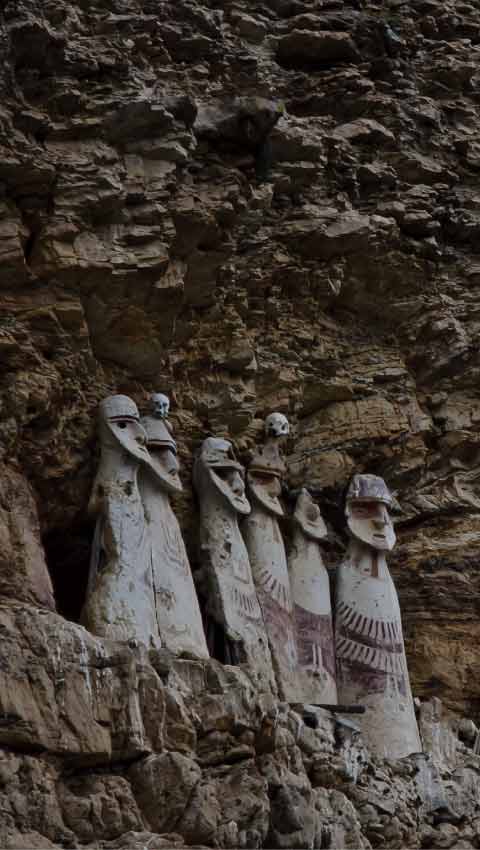
At the Karajia Sarcophagi, visitors can find monumental anthropomorphic tombs, also known as purunmachos, watching over the area from high in the mountains. These funerary capsules still contain mummies and burial objects that are more than five hundred years old. In this area, visitors can also find handicrafts linked to this tradition and to the tombs’ alignment with the sun, a subject that continues to be studied today.
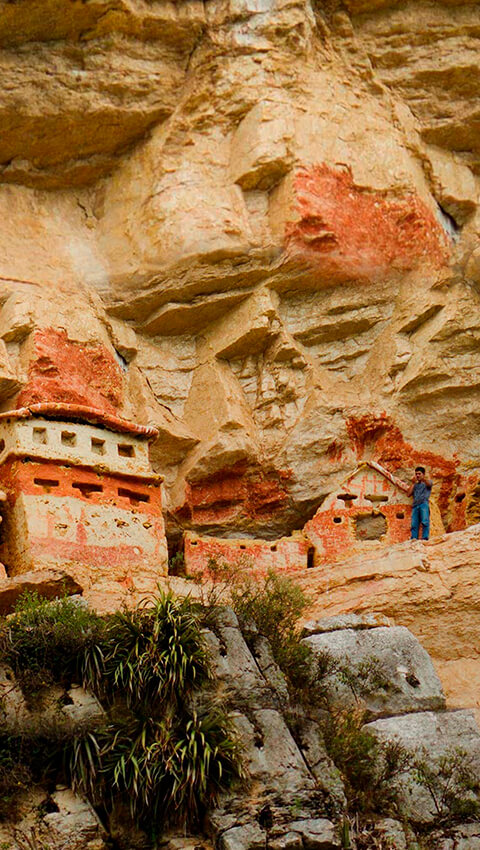
Archaeologists studying the site believe the Revash Mausoleums were modeled after the homes of the region’s ancient inhabitants. Questions continue to surround the shape of their roofs, their construction — most are built facing steep cliffs — and their location, as they stand at an altitude of 2,800 meters above sea level.
Finally, there is the Llaqta of Kuelap, where visitors can discover the origins of the Chachapoya, one of Peru’s most important cultures. This impressive stone complex can be reached by bus to Nuevo Tingo, followed by a ride on Peru’s first cable car system and a walk from the La Malca tourist station. Visitors can explore its streets, alleyways, and plazas while taking in the stunning landscapes that surround it.
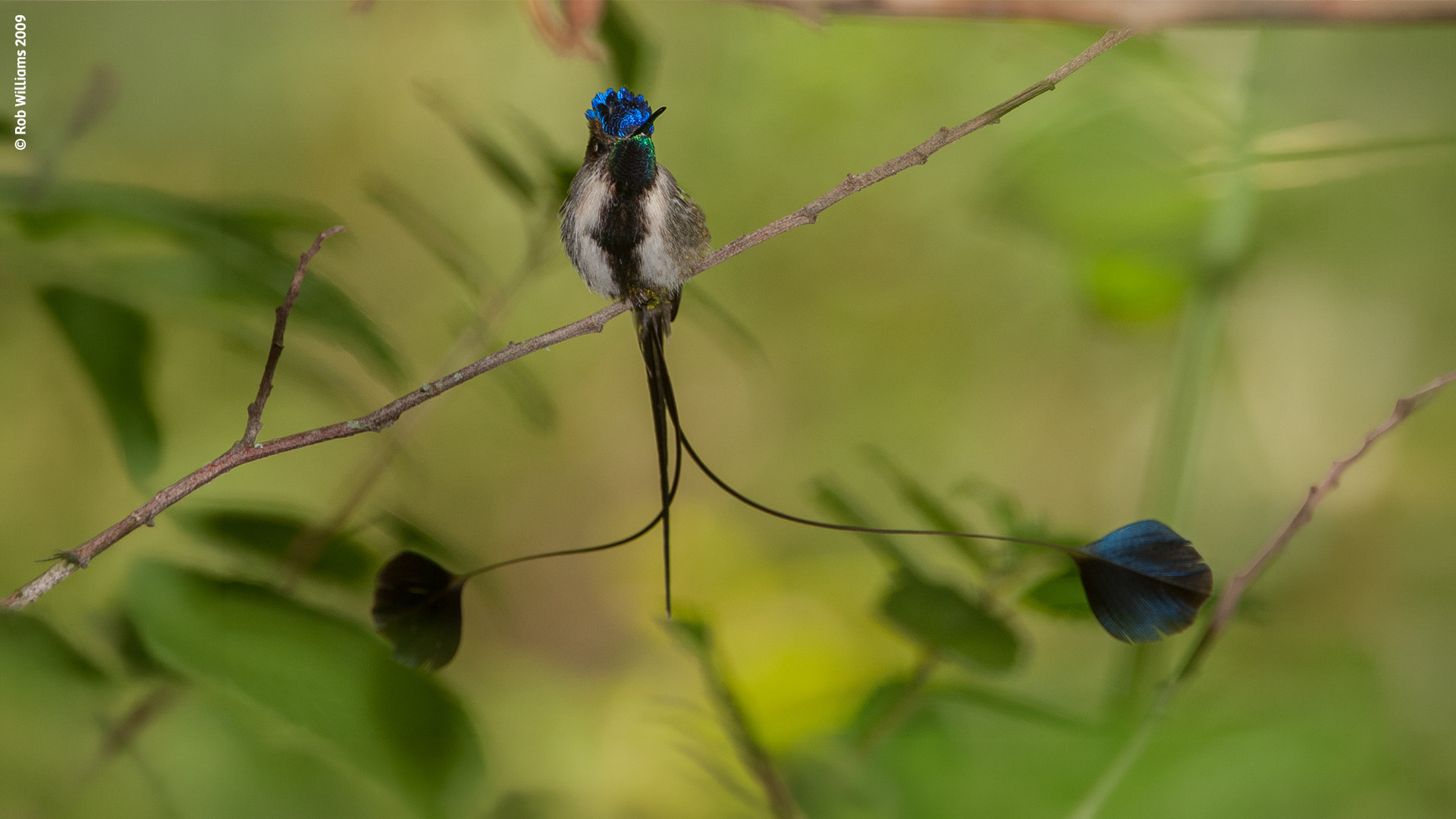 Marvelous spatuletail hummingbird
How to get to Amazonas?
Route 1
Route 2
Route 3
Lima - Chachapoyas (capital of Amazonas)
Approximately 1 hour and 45 minutes
Lima - Chachapoyas
Approximately 22 hours
Lima – Tarapoto
Approximately 1 hour and 15 minutes
Tarapoto – Chachapoyas
Approximately 8 hours