

Written by:
peru.travel
Friday, March 1, 2024
In this Page
During February, the entire region of Puno experiences a festival due to the beginning of the Festival of the Virgin of Candelaria, one of the most important religious celebrations not only in this destination but throughout Peru.
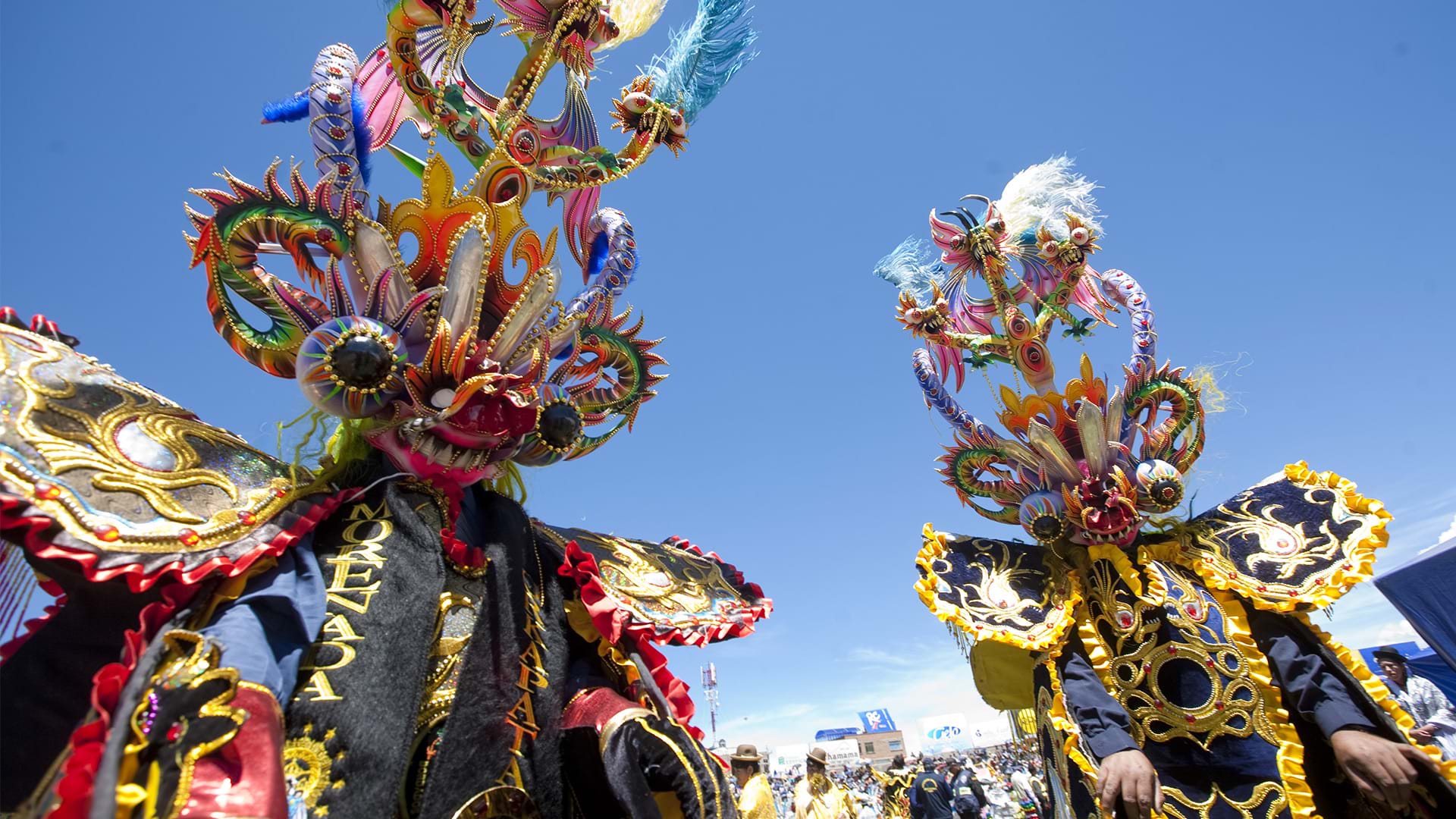
Its origins date back to colonial times, and it has roots in Catholic traditions and symbolic elements of Andean cosmology. The Festival of the Virgin of Candelaria is characterized by being a celebration with dances, contests, parades, color, and much religious fervor in honor of the Mamita Candelaria.
Recognized as Cultural and Intangible Heritage of Humanity by UNESCO, this festival brings together tourists from around the world who seek to learn about and be part of one of the most important religious celebrations in South America. If you're already excited about visiting Puno and being part of this event, take note of the following tips.
The Virgin of Candelaria Festival 🎉, one of the most colorful and joyful folkloric festivities in Peru 🇵🇪 that takes...
Publicado por Visit Peru en Jueves, 3 de febrero de 2022
1. Reserve your hotel and flights in advance
As it is a highly anticipated celebration for tourists, it is advisable to make reservations 2 to 3 months in advance to avoid any inconvenience and to plan your trip in the best way possible.
Puno is a compact city and easy to walk around, so there is no need to use public transportation to move around its historic center. The more distant places are connected by buses.
The city of Puno is not of great size, which facilitates its mobilization, and it is connected by buses if you want to explore more distant destinations. Regarding accommodations, most are located near its historic center. Here, the options vary from tourist lodgings to luxurious hotels.
2. Arrive with days in advance
It is important to consider that Puno, where this festival takes place, is located at an altitude of over 3800 meters above sea level, which can cause discomfort for people not accustomed to this height. Therefore, it is recommended to arrive in the city 2 or 3 days in advance. This will also allow you to explore the region a bit before the start of the Festival of the Virgin of Candelaria.
3. Know the schedule of activities
This festival has its central date on February 2nd, and the octave where a solemn mass is held in honor of the Virgin of Candelaria, in the Atrium of the cathedral and in the Sanctuary of the Virgin of Candelaria, respectively. On the same day, but in the afternoon, the procession of the sacred image takes place through the city of Puno.
On the first Saturday and Sunday of the following day, the competition of native dances begins. Everything starts at 7:00 a.m. and ends in the afternoon of each day. In addition to this activity, the Octave takes place, which is a special celebration that occurs seven days after February 2nd. It is named so because it involves the continuous celebration for eight days of the festival.
The contest of dances with lighted costumes gathers dozens of troupes that interpret emblematic dances of Puno such as the morenada, caporal, diablada, Kullawada, sikuris, among others that shine with colors; they also perform the Parade of Veneration of the Virgin of Candelaria.
Remember that it is important to check in advance the schedules and places where these activities will take place to fully enjoy this experience.
4. Bring the right clothing
Due to its geographical location, Puno has two differentiated climatic seasons. The first is winter, which runs from May to October and is considered the dry season with cold nights but sunny days and intense brightness.
The second, which could be considered summer, runs from November to April. Here, the average temperature is 9 °C, with warm days of 24 °C and cold nights with temperatures of 2 to 3°C. Also, this is the season with the most rainfall in Puno.
Taking this into consideration and knowing that the Festival of the Virgin of Candelaria takes place during the rainy season, it is important to have the appropriate clothing such as a rain poncho, windbreaker, umbrella, gloves, sneakers and/or rain boots, sunscreen, and a hat.
5. Try Andean Peruvian cuisine
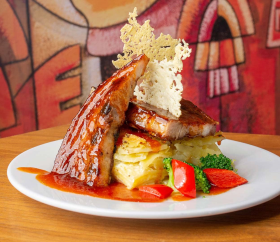
An important part of living this experience is trying the cuisine offered during this festival. Dishes such as thimpo de trucha, fried trout, chairo (soup made with potatoes, black chuño, lamb meat, and vegetables), kancacho (roasted lamb), and alpaca chicharrón, are some of the highlights not only in Puno but in the Andean region of Peru.
6. Visit more destinations in Puno
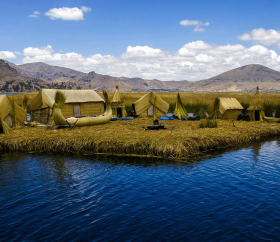
Take advantage of your stay in this region to explore other important destinations such as Lake Titicaca, the highest navigable lake in the world (3812 m above sea level). Here, you can learn about the islands that make up this place, such as the floating islands of the Uros, a population that has built their houses with totora (aquatic plant); Taquile, where its textile art is Intangible Cultural Heritage of Humanity; Amantaní, one of the largest islands in Titicaca, where you can experience community tourism.
Another attraction you should visit in Puno is the Archaeological Complex of Sillustani, an ancient funerary complex belonging to the Colla and Tiahuanaco cultures. In this place, located 34 km north of the city of Puno, there are mausoleums of elongated capsule shape, where remains of nobles, priests, and rulers were found.
Now that you know the best tips to enjoy one of the most important festivals in the Andean region of Peru, where art, culture, tradition, and religious fervor come together to offer one of the best experiences to tourists, plan your trip and discover everything that Peru has to offer.
If you want more information or have any questions, contact IPerú at (+51) 944 492 314 or send an email to [email protected].
Follow us on social media
Facebook | Instagram | Twitter | TikTok | YouTube