

Written by:
peru.travel
Wednesday, July 15, 2020
In this Page
To talk about Peruvian Cebiche is to refer to the most emblematic dish of this South American country and one of the most recognized all over the world. The charm produced by its special combination of flavors that complement each other perfectly, has made it become the most important letter of presentation of the Peruvian cuisine. When you taste it, you experience a unique palatal sensation that conquers with its delight.
Declared as Cultural Heritage of the Peru in 2004, Cebiche is one of the greatest sources of pride for Peruvians. It is so popular that it is celebrated every June 28 in recognition of its immense value as a national symbol and to continue promoting its consumption both at home and abroad. As Gaston Acurio, one of the most famous and respected Peruvian chefs of today, says in his book Ceviche Power: “Being Peruvian is to celebrate the greatness of Ceviche. Not in vain it represents more than just a meal for us: it is synonymous with the celebration of triumph, happy encounters with friends, comfort in sadness or even reconciliation and brotherhood”.
Cultural Exchange as the heart of Cebiche
There are many theories around the origin of Cebiche, but one of the most relevant is linked to the pre- Incan Mochica culture, located on the coast of Peru. The Mochicas used to cut fish into bite-size pieces and added salt, lemon, limes and “tumbos” (Andean fruits). It was a simple dish to prepare and soon became part of their daily diet. After the Mochicas were conquered by the Incas, new ingredients were added to the dish such as crunchy corn or, as Peruvians call it nowadays, “canchita”, sweet potato, and yucca. According to historians, the word Cebiche comes from the Quechua word “Siwichi” which translates as fresh or tender fish, so it is believed that it was during the pre-Hispanic era that its name was born.
One of the first written recipes for Cebiche was published in 1866 by the Lima writer Manuel Atanasio Fuentes, who described its preparation in this way: “It consists of small pieces of fish or shrimp that are bathed into sour orange juice with a lot of chili and salt; they are kept like this for a few hours until the fish is impregnated with chili and is cooked by the action of the chili and by the acid of the orange”.
It wasn’t until the arrival of the Spaniards and the later Asian immigrants that the recipe evolved to include lemon and the maceration technique of this citrus that remains to this day. Just as it happens with most Peruvian cuisine, Cebiche is also a heritage of the historical cultural exchange between old Peruvian and the Spanish civilizations, complemented in time with the techniques of Asian cuisines.
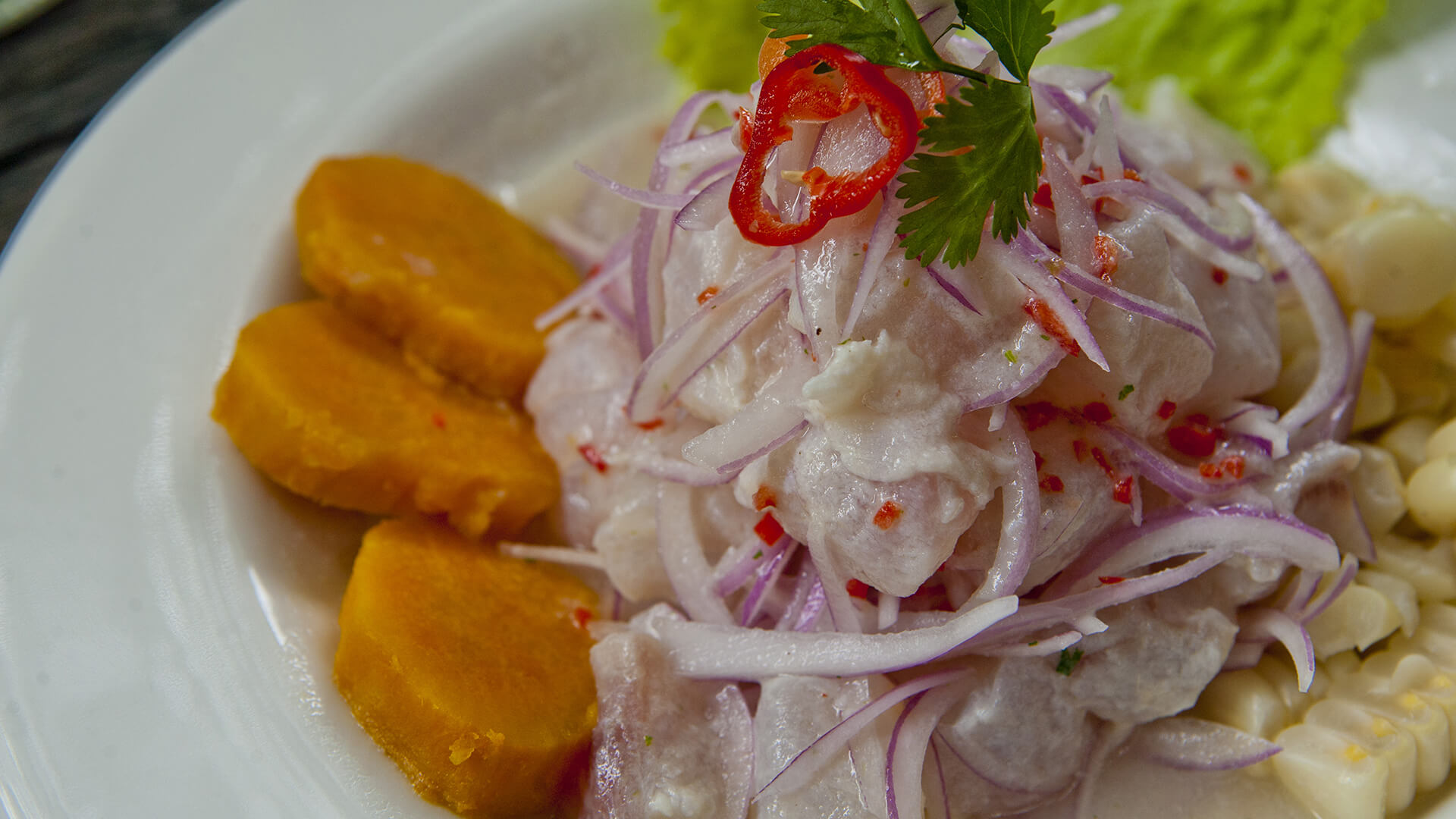
Preparing a cebiche can take between 15 to 20 minutes. Credit: Pao Flores / PromPerú.
The perfect point between acid and spice
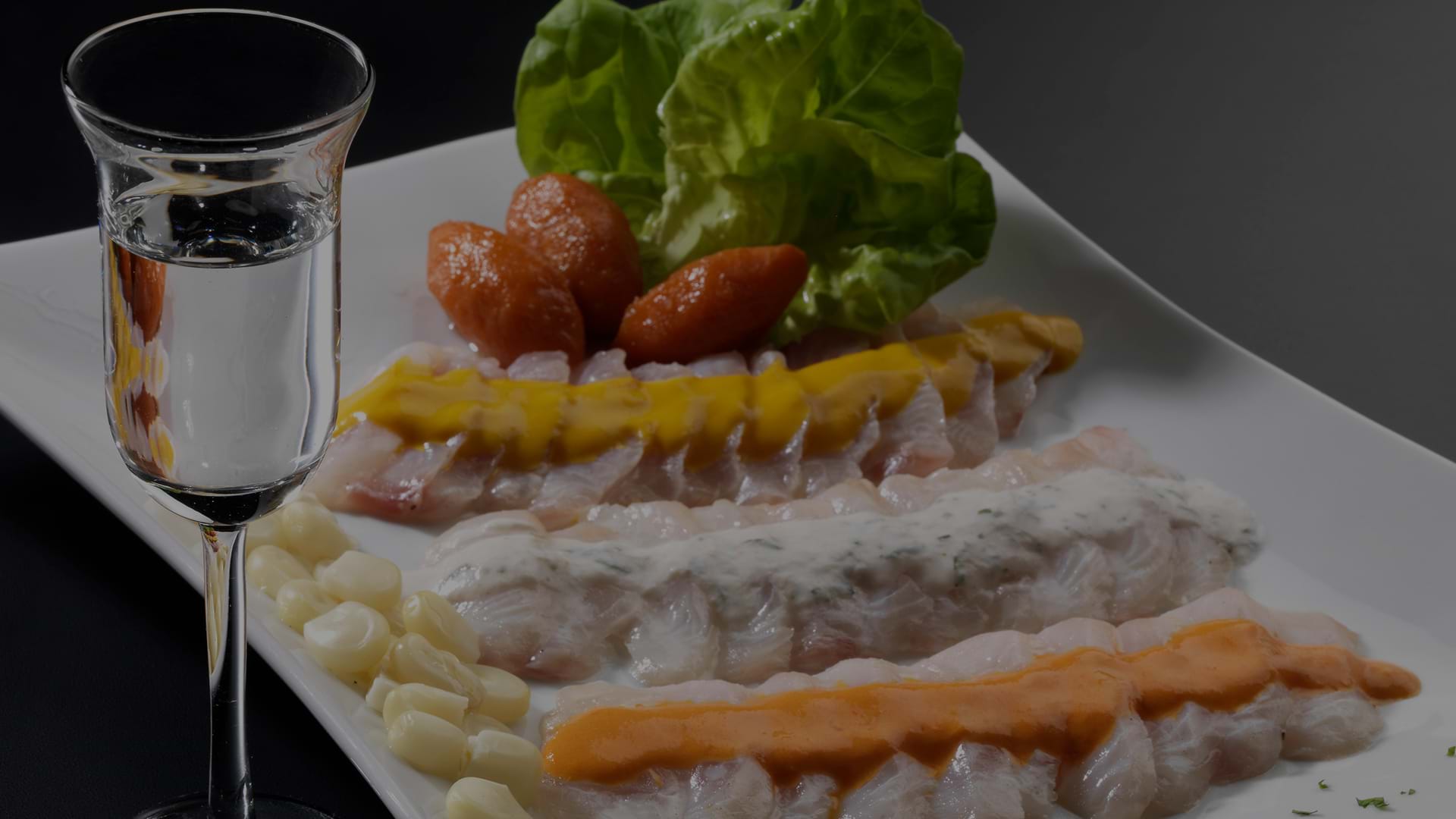
The secret behind the success of Peruvian Cebiche lies in its recipe: a mixture of ingredients that include bite-size pieces of raw fish marinated in lemon juice, as well as finely sliced onions, always accompanied by diced chili peppers, slices of sweet potato, and a small portion of canchita. The mixture of all these ingredients, both salty and spicy, acids and sweet, make this dish as unique as it is special.
The most popular Cebiche is Fish Cebiche, although Seafood Cebiche or Mixed Cebiche (which mixes both fish and seafood) are also very popular. It’s also common to make Cebiche from octopus or shrimp. With the rise of haute cuisine, Peruvian chefs are experimenting with new ingredients and textures to surprise the world.
Source: El Comercio
Follow us on social media
Facebook | Instagram | Twitter | YouTube