4 Peruvian grains that you should include in your diet
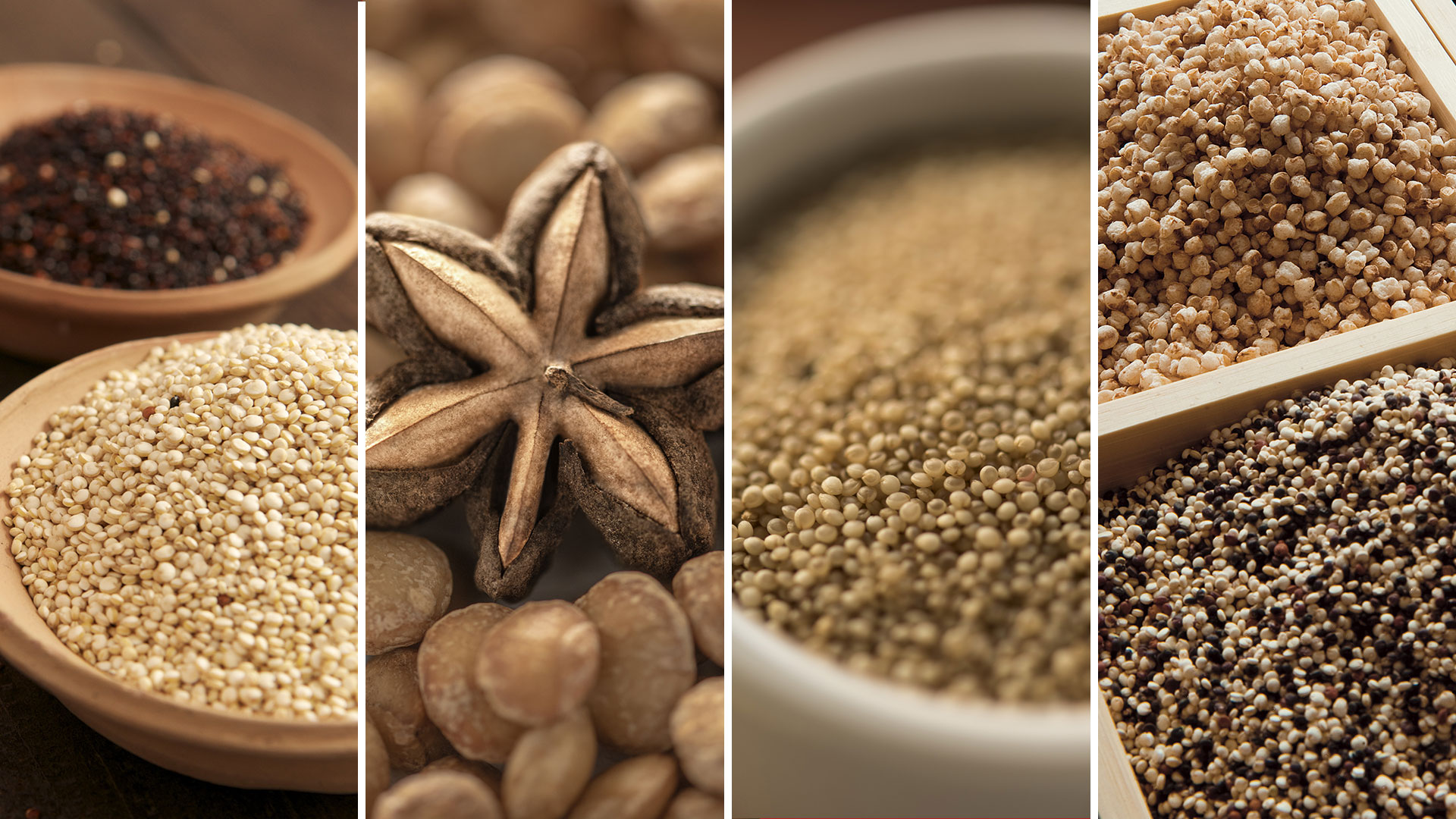
This June 30 is celebrated in Peru the Andean Grains’ Day. In honor of such delicious members of the Peruvian gastronomic diversity, we present you its benefits and how you can add them in your daily diet.
The ancient Peruvians already knew the benefits of our Andean grains that today are considered by the world as superfoods. Therefore, it is likely that, during your visit to Peru, you will find local dishes based on Andean grains.
Their amazing properties were the main reason for their ancestral consumption and their expansion into the modern world. Globally, they are recognized for their exceptional balance of proteins, fats and starch, as well as for their high degree of essential amino acids, their nutritional properties and their great health benefits.
This June 30, Andean Grains’ Day, we invite you to learn more about them, their history, origin and how you can include them in your daily diet.
Quinoa
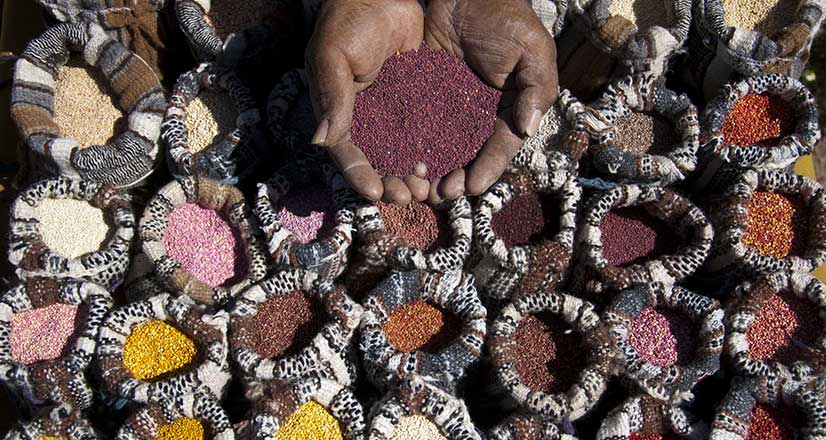
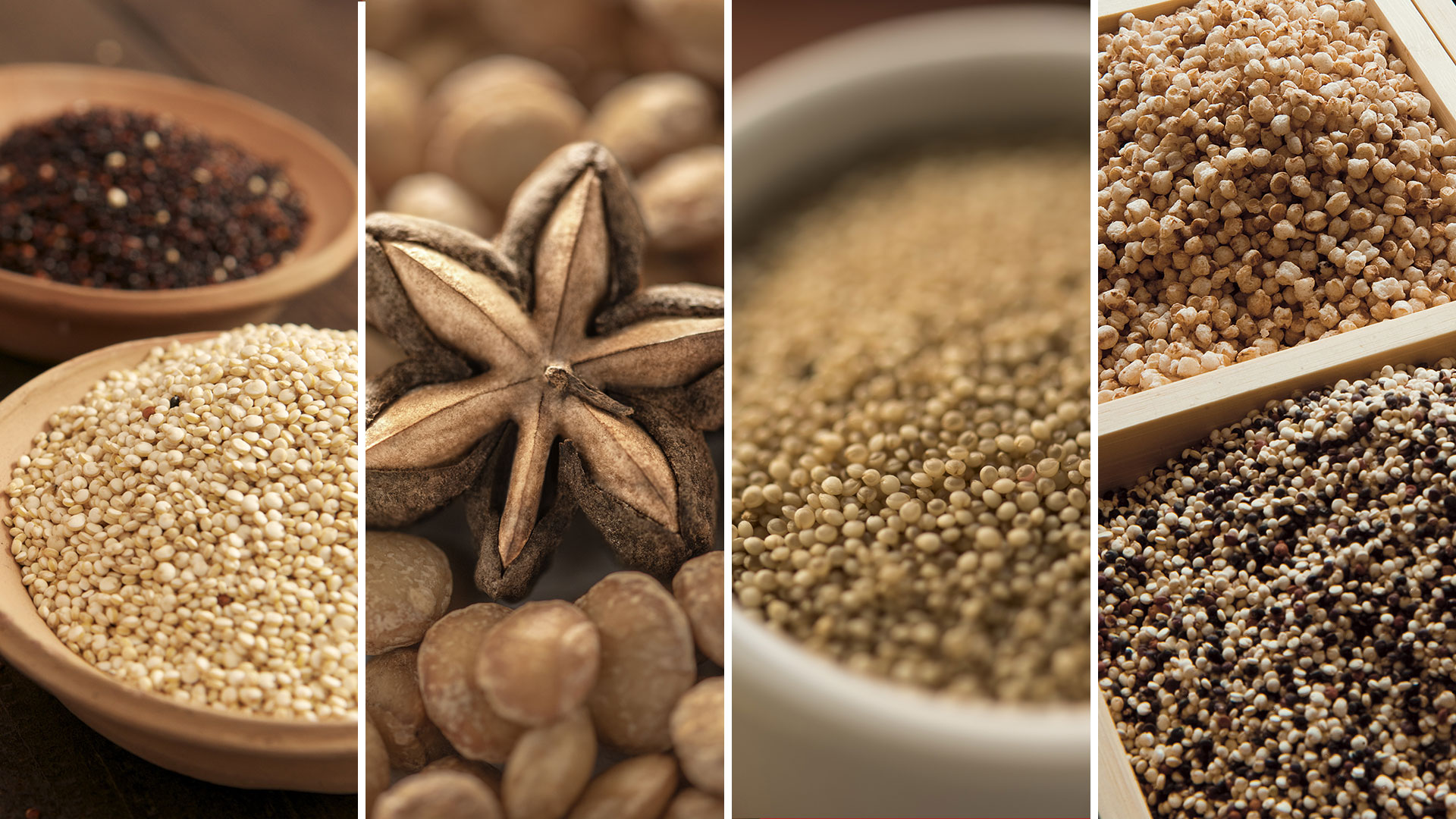
In the last decade, Peruvian quinoa has become the star of healthy eating worldwide. It has been consumed since pre-Inca times and there are more than 3000 varieties. Due to its composition rich in nutrients, it is considered a very complete food. Even the National Aeronautics and Space Administration (NASA) includes it in astronaut diets for long space travels.
This cereal is extremely versatile and can be prepared in many ways. One of the most representative is the Pesque de Quinoa, which you can try if you visit the region of Puno. It is a stew that is eaten at breakfast and is served with fresh milk and cheese, but this is just one example. Quinoa is also delicious in the form of a salad, replacing rice in a China rice, in the form of a tacu tacu or even adding it to the classic recipe of the Solterito Arequipeño to enhance the dish.
Credit: PromPerú
Sacha Inchi
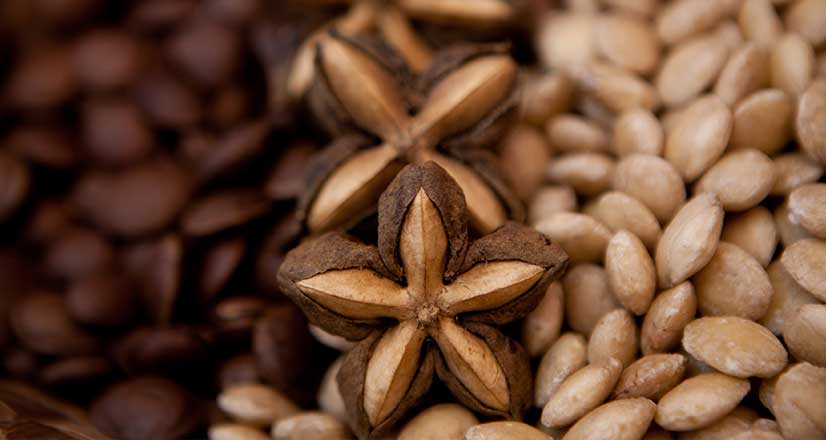
Sacha Inchi is also known as the Peanut of the Incas, due to its great importance in Ancient Peru. Traces of its cultivation dating back more than 3000 years have been found. Nowadays, it grows mainly in the Peruvian regions of Amazonas, San Martin, Huanuco, Ayacucho and Junin, from where it arrives and then it is distributed all over the world.
Its seeds are an important source of omega 3, 6 and 9, and contain a better balance than fish of beneficial fatty acids for health. Sacha Inchi oil is also highly prized for its content of essential fatty acids.
This grain is not only nutritious, but also very delicious and easy to consume. It is eaten toasted and is the perfect healthy snack for all times. Its nutrients will give you the push you need and its flavor will leave you with a smile.
Credit: Gihan Tubbeh / PromPerú
Kiwicha
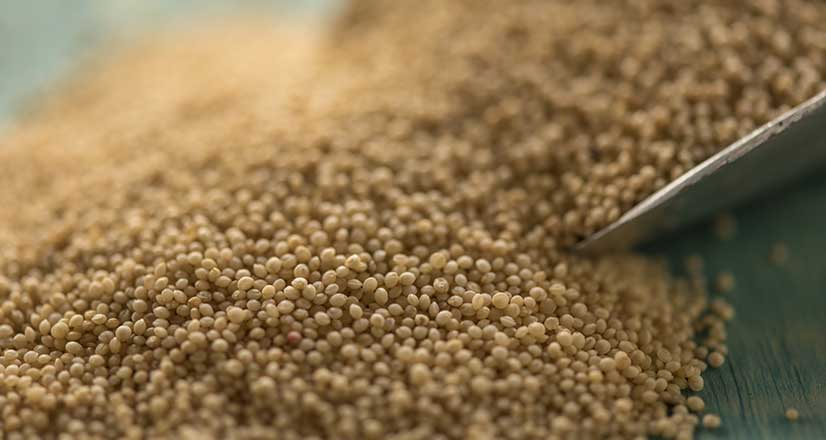
If you have traveled to the Sacred Valley of Cusco, you have surely marveled at the colorful landscape of kiwicha plantations. Its plants are distinctive: whether red or white, each of its abundant grains is full of nutritional value, very beneficial to health. The ancient Peruvians and, later, the Spanish European settlers knew its value very well and it was even known as the Golden Grain.
Today, fortunately, it not only grows in Cusco, it is also cultivated in Arequipa, Ancash, Huancavelica, Cajamarca, Junin and La Libertad, therefore, it is very easy to get it and prepare it in any place and occasion. Each of its grains has between 15% and 18% proteins and an important contribution of calcium, iron, phosphorus, potassium and zinc.
The versatility of the kiwicha allows you to be the protagonist of both soups, as well as breakfasts, stews and even desserts. Take it with milk as if you were making oatmeal, add it to your vegetable broth, make quinoa omelets, try it as a mazamorra, or simply add toast to a glass of yogurt. In any of these cases, the kiwicha will add nutrients and lots of Peruvian flavor.
Credit: PromPerú
Cañihua
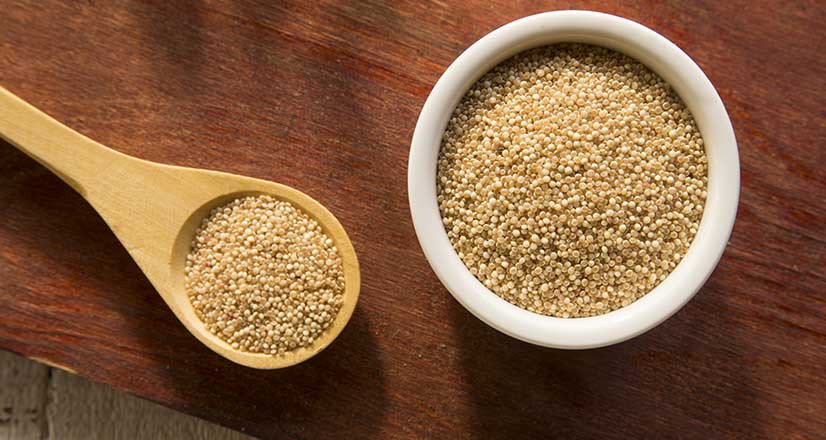
Cañihua is characterized by having a high content of proteins and fiber. In addition, it has antioxidant capabilities, thanks to its phenolic compounds. Due to its high protein content, it can contribute to the preservation or increase of muscle mass.
You can make it for breakfast, with milk and some honey. This fruit is already available in the form of flour and it can be used to prepare from bread to biscuits, alfajores, cakes or mazamorras.
Credit: PromPerú
Now that you know everything Andean grains have to offer, do not forget to add them to your shopping list on your next trip to a destination in the Peruvian highlands. Enjoy!
 Credit: PromPerú
Recommendations
- Frequent consumption of Peruvian Andean grains helps to build our body's immune barrier to better defend us from diseases.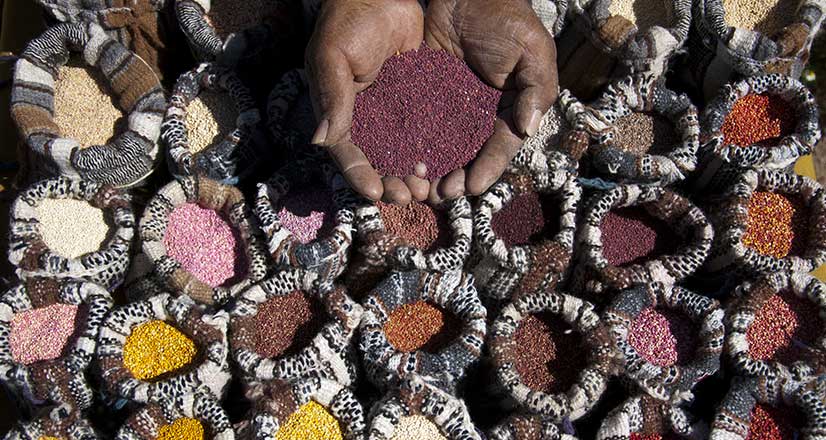
General information
Date:
June 30.Tip:
Visit the Superfoods Peru website to learn more about the superfoods of Peru, a country with one of the greatest biodiversity in the world.