
National holidays: Commemorating our national sovereignty
“From this moment on, Peru is free and independent by the general will of its people and by the justice of its cause, which God defends. Long live the homeland! Long live freedom! Long live independence!” It was Saturday, July 28, 1821. Before a crowd of more than 16,000 people, Jose de San Martin proclaimed Peru’s independence with an emotional speech in the Lima's Main Square. After nearly 300 years under the Spanish viceroyalty, Peru finally became a sovereign republic.
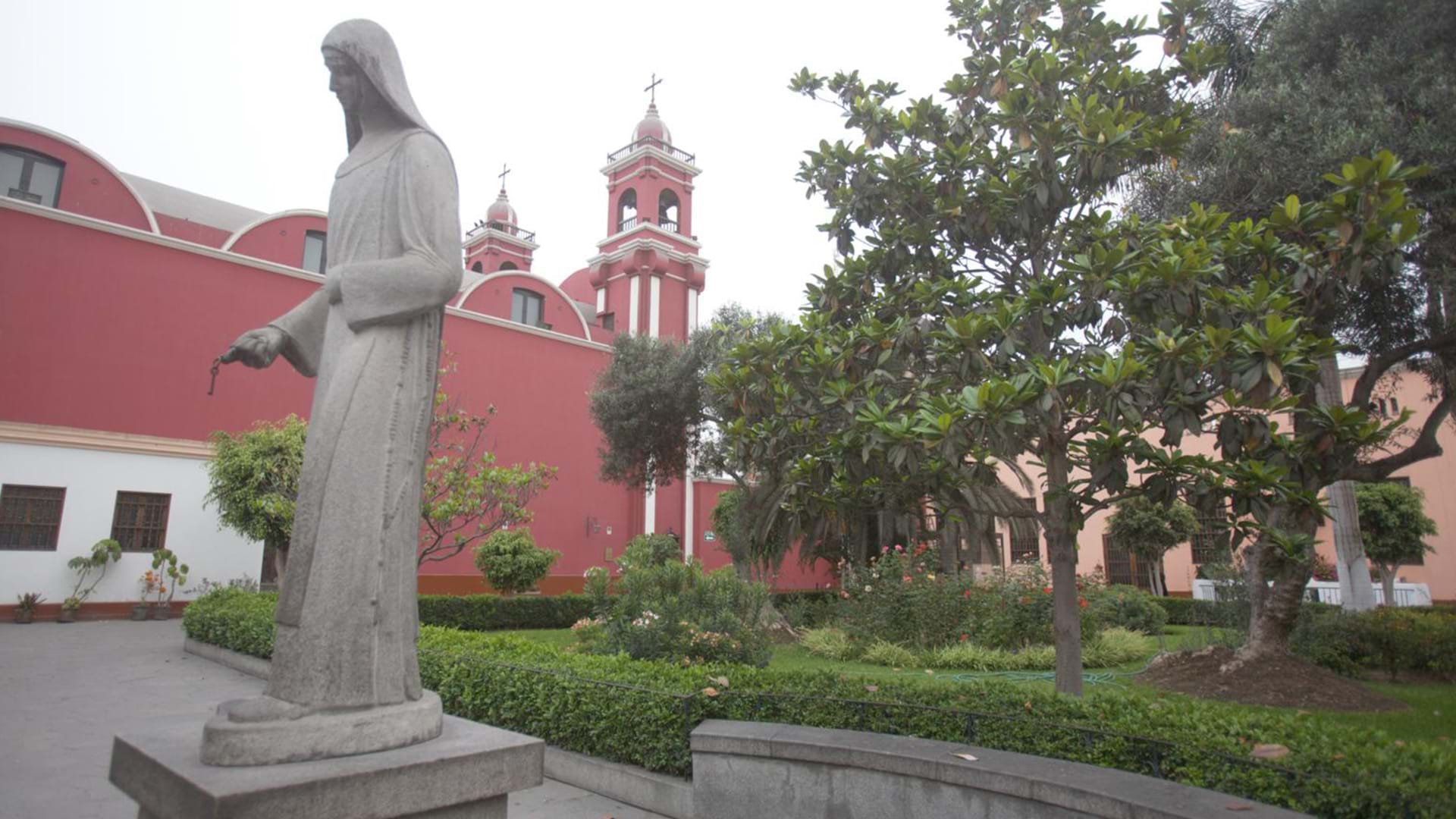
At the time, news did not spread as quickly as it does today. For that reason, Jose de San Martin had to repeat the proclamation in several parts of the capital, including Plazuela de la Merced, in the Historic Center of Lima , and the Convento de los Descalzos in the Rímac District, where the declaration of Peru’s freedom was also heard.
Patriotic celebration
For many Peruvians, the public holidays on July 28 and 29, declared by the government, are an opportunity to travel, spend time with family, and reflect on the historic proclamation of Peru’s independence. The occasion also serves to honor the Armed Forces and the National Police of Peru, institutions considered fundamental to the country’s sovereignty.
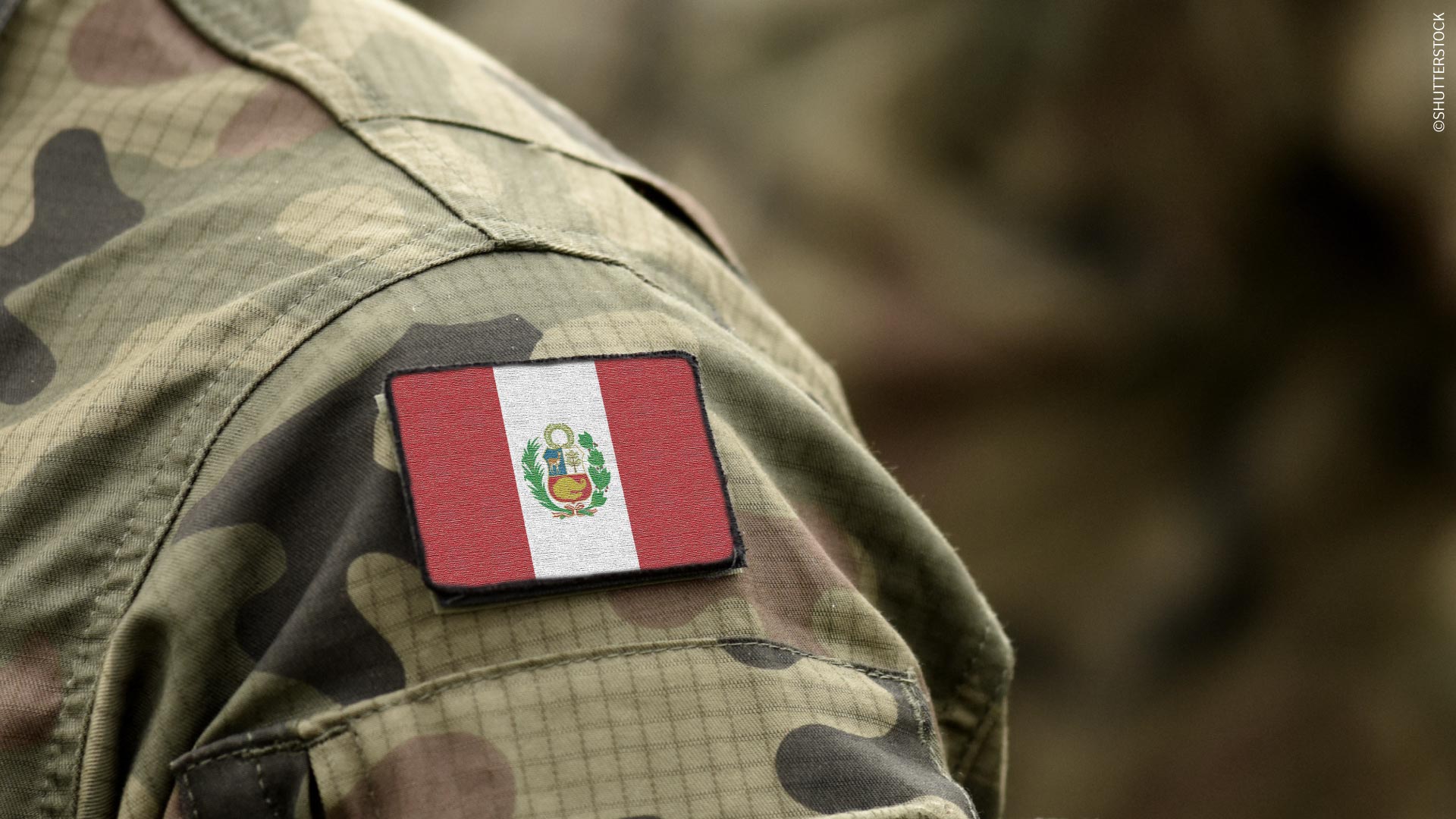
Peruvian flag on military uniforms. / © SHUTTERSTOCK
Traditional celebrations during these days:
Everything begins early on July 28 with the traditional Te Deum Mass held by the archbishop at the Lima Cathedral, attended by some of Peru’s leading political figures, including the President. Later, Peruvians gather around their televisions to listen to the presidential address to the nation, in which the head of state reports on the progress of the government and the country’s future challenges.
The following day, July 29, Avenida Brasil is filled with red and white during National Holidays Military Parade. Thousands of spectators gather along the avenue to watch members of the joint command of the armed forces march alongside the Peruvian Army, Navy, and Air Force, as well as the Red Cross and the General Firefighters Corps, all greeted by the cheers and applause of the crowd.
The location of the traditional Military Parade and procession may vary depending on each year’s official schedule, so it is advisable to check the latest information before attending.
Two days to celebrate Peru’s ancient culture and biodiversity, and to take pride in its music, gastronomy, and traditions. A reminder that, from the Pacific coast to the vast Amazon rainforest, we are a free nation—and always will be.
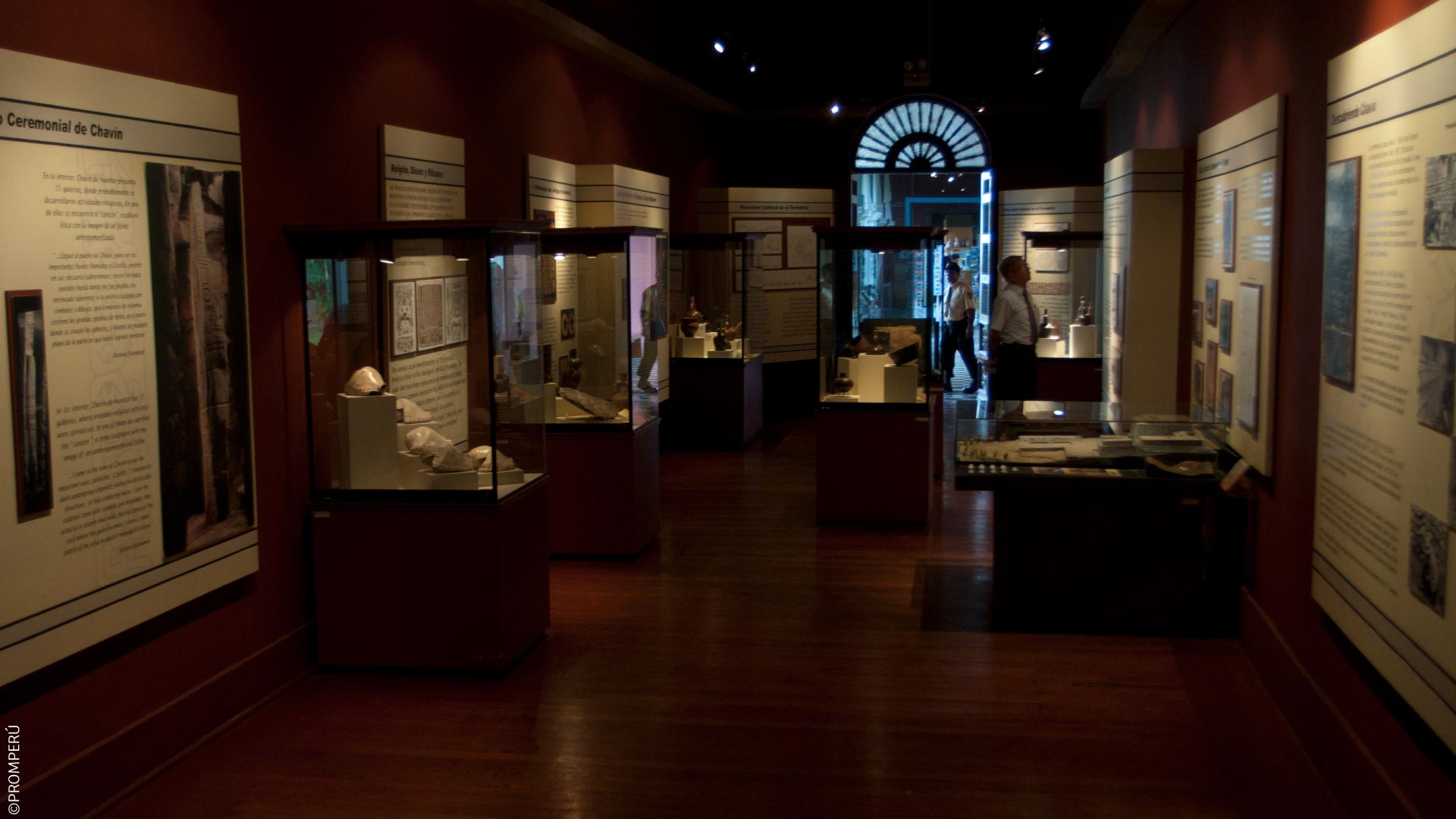
Interior of the National Museum of Archaeology, Anthropology and History of Peru. / © PROMPERÚ
National symbols come to life in July
National symbols hold a central place in this commemoration. The Peruvian Constitution recognizes the red-and-white flag, the coat of arms, and the national anthem as national symbols, while the law establishes that they must lead official ceremonies and events. For this reason, during national holidays, their presence accompanies both public tributes and the most solemn moments of the national civic calendar.
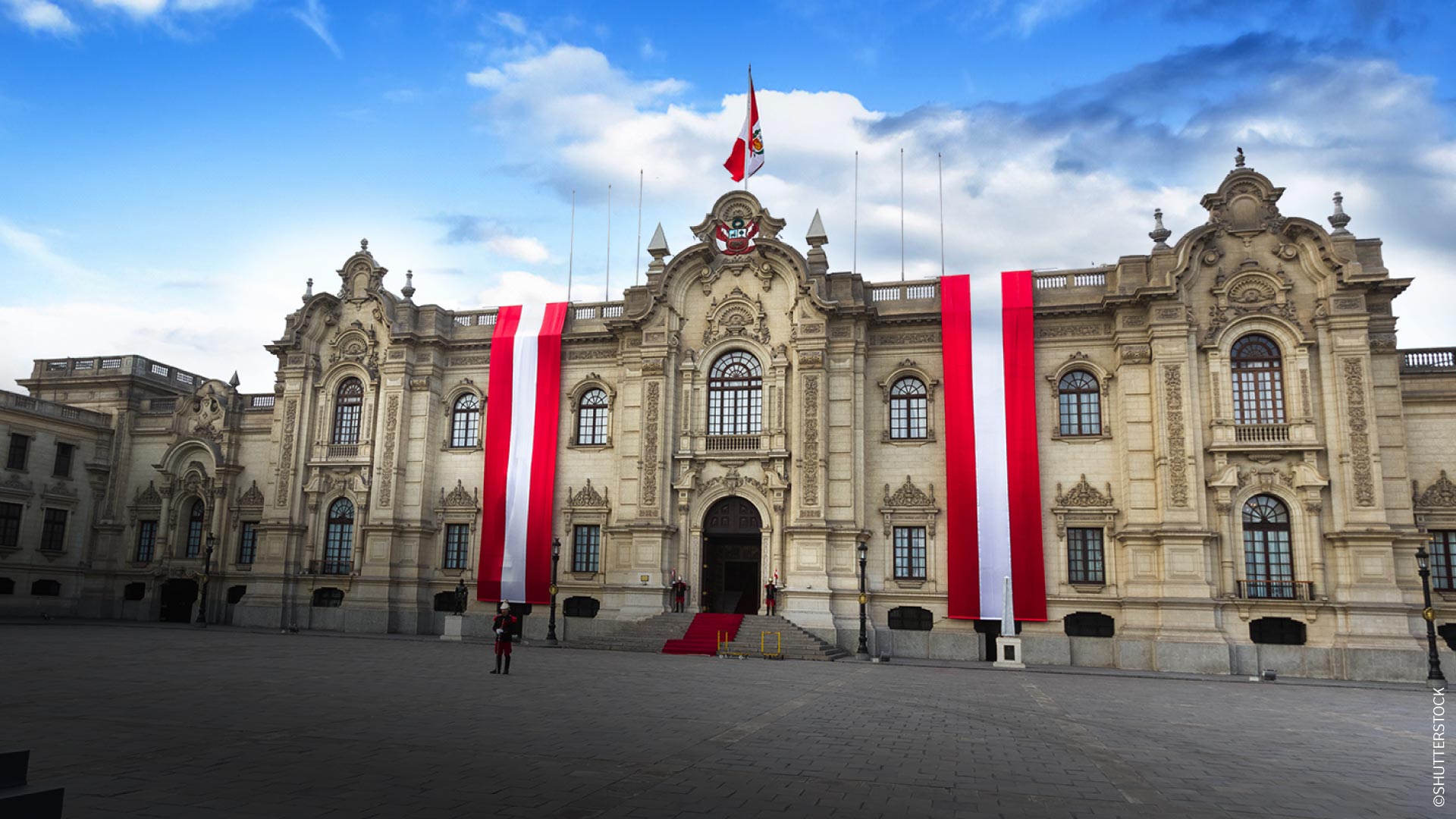
Among all of them, the flag takes on a special prominence in July. Its use and display are regulated by current legislation, and initiatives have also been promoted to spread awareness of national emblems and strengthen collective patriotic identity. A simple stroll through streets, squares, and public buildings is enough to notice how red and white transform the urban landscape into a visible expression of national identity.
If you would like to learn more about this history, you can visit in Lima the National Museum of Archaeology, Anthropology and History of Peru, located in Pueblo Libre. There, some of the oldest national symbols are preserved, including the first banner and the first coat of arms designed by Jose de San Martin, as well as the original handwritten score of the national anthem.
You may also be interested in: Another way to discover Lima and its museums
Seeing these symbols within the context of national holidays allows you to understand that each one preserves memory, sovereignty, and identity, and helps explain why these dates awaken a shared sense of pride across the country.
@visitperu ¿Y si te das una vuelta por Lima, Perú a vivir experiencias inolvidables?🇵🇪❤️ #PerúWow #Lima #Perú #VisitaPerú #VisitPeru ♬ sonido original - Perú
 © SHUTTERSTOCK
Recommendations:
Avoid private transportation, as streets are often crowded.
Travel in groups; it is more enjoyable and safer.
General information
Indispensable:
Comfortable walking clothes, water, sunglasses, a cap, and cash.
Date:
July 28 and 29
Altitude:
161 m a.s.l.
Weather:
Max. 19 ° C / Min. 15 ° C