
In this Page
In the Peruvian Amazon, the rescue of the Taricaya turtles serves as a powerful reminder: protecting nature is entirely possible when local communities and travelers join forces.
Exploring the Peruvian Amazon is a transformative experience that reshapes your understanding of the natural world. In destinations like Iquitos—the capital of the Loreto region and the gateway to one of the most biodiverse ecosystems on Earth—tourism has evolved into a vital tool for conservation...
Among the most inspiring initiatives is the rescue and protection of the taricaya. Today, the survival of this Amazonian turtle depends on a shared commitment between local communities, authorities, and conscious travelers.
The taricaya is one of the most iconic species inhabiting the Amazon’s waterways. For generations, these turtles have been a fixture of the region’s natural landscape and a cornerstone of life for riverside communities. However, the combined pressures of egg harvesting and habitat loss caused their numbers to decline sharply across several areas of the Amazon.
In response, a range of conservation programs took root within the protected areas surrounding Iquitos—most notably in the breathtaking Pacaya Samiria National Reserve. Known as the "Jungle of Mirrors" for the stunning reflections on its rivers and lagoons, this vast natural sanctuary has become one of Peru’s most critical strongholds for wildlife protection.
The rescue and protection of the taricaya
Every year, as nesting season begins, park rangers and local residents patrol the Amazonian riverbanks in search of Taricaya nests. Once identified, the eggs are carefully gathered and transported to secure hatcheries or protected nurseries. This meticulous process is designed to shield the species from both natural predators and the illegal harvesting that historically threatened their survival.
In these controlled environments, the eggs remain under constant watch until the hatchlings finally emerge from the sand. These young turtles are then nurtured just long enough to ensure they are strong and resilient before being released back into the wild.
The release of the taricayas has become one of the most moving milestones of these conservation programs. Each tiny turtle returning to the river represents a renewed hope for the balance of the Amazon’s delicate ecosystems.
You may also like: What to do on the Amazon River? Find out everything here
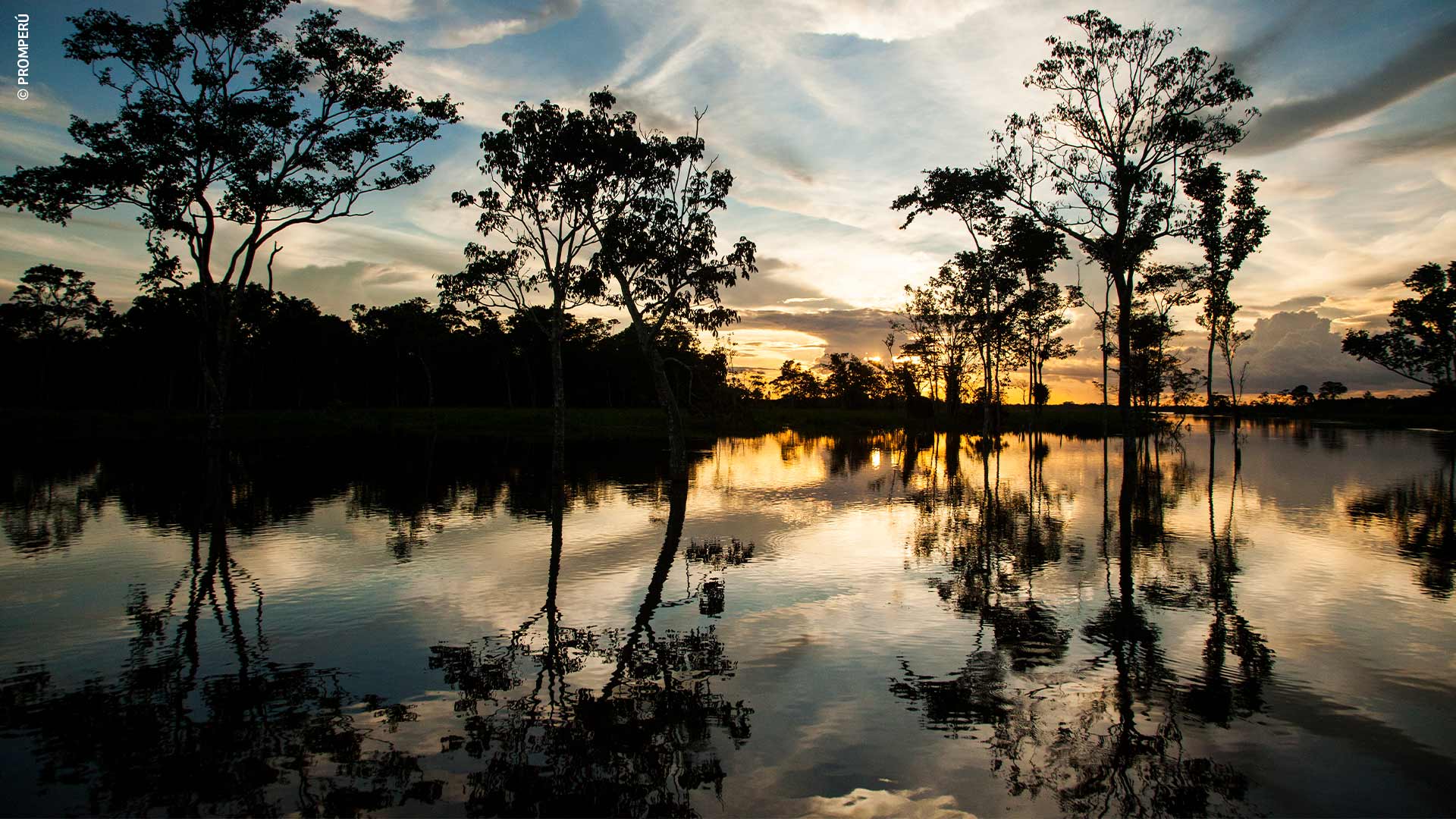
The "Jungle of Mirrors" – ©PROMPERÚ
Local communities: Guardians of biodiversity
One of the most vital aspects of these projects is the active involvement of the communities living near conservation zones. For years, many of these populations relied directly on the Amazon's natural resources for their very survival.
Today, thanks to sustainable management and responsible tourism initiatives—such as the "Adopt a taricaya, conserve Pacaya" program—countless residents have become true guardians of Amazonian biodiversity. They now take the lead in monitoring nesting beaches, protecting nests, and tracking turtle populations.
Their deep-rooted knowledge of the land and the Amazon’s natural cycles is essential to the success of these programs. Beyond conservation, this shift has created a sustainable economic alternative, allowing for the protection of wildlife while opening new doors of opportunity for the local people.

Taricaya turtle rescue – ©PROMPERÚ
Responsible tourism in the Amazon
Tourism in the Peruvian Amazon plays a key role in safeguarding species like the taricaya. More and more, travelers are seeking out experiences that allow them to connect with nature in a respectful, mindful way.
In the city of Iquitos, various expeditions and Amazonian lodges offer activities centered around conservation. Here, visitors can embark on guided river excursions, witness the Amazon’s incredible biodiversity firsthand, and get an up-close look at wildlife protection projects.
In some instances, travelers even have the opportunity to witness turtle releases back into the Amazonian rivers. These experiences offer more than just an emotional connection; they foster a profound awareness of how fragile these ecosystems are and why preserving them is so vital.
This creates a unique opportunity for travelers to engage directly with a vital wildlife conservation program. Those venturing along the Amazon River can take part in an unforgettable experience—releasing hatchling turtles into their natural habitat and actively contributing to the survival of the species.
This initiative goes far beyond protecting vulnerable wildlife; it also champions environmental education within local communities, inviting people of all ages to participate in the care and release of the taricayas. By fostering sustainable economic growth through ecotourism, the program strengthens global awareness of just how essential it is to preserve the Amazon’s rich biodiversity.
Being part of this experience is about so much more than just a trip—it is an opportunity to make a real impact and connect with nature in a truly responsible way. Every action helps protect these unique ecosystems, ensuring they are preserved for generations to come.
The success story of the taricaya rescue proves that tourism can be a powerful force for good. When done right, travel helps fund vital conservation programs, strengthens local economies, and provides a lifeline for endangered species.
In Amazonian destinations like Iquitos, every visitor has the chance to be part of this transformation. From choosing tour operators committed to sustainability to respecting the regulations of protected areas, every decision makes a difference.
Exploring the Amazon rainforest is about more than just admiring breathtaking landscapes or discovering rare wildlife. It is about making a commitment to biodiversity and understanding that conservation is a responsibility we all share.
 Taricaya turtles at the Quistococha Tourist Complex.