
Written by:
peru.travel
Tuesday, August 26, 2025
In this Page
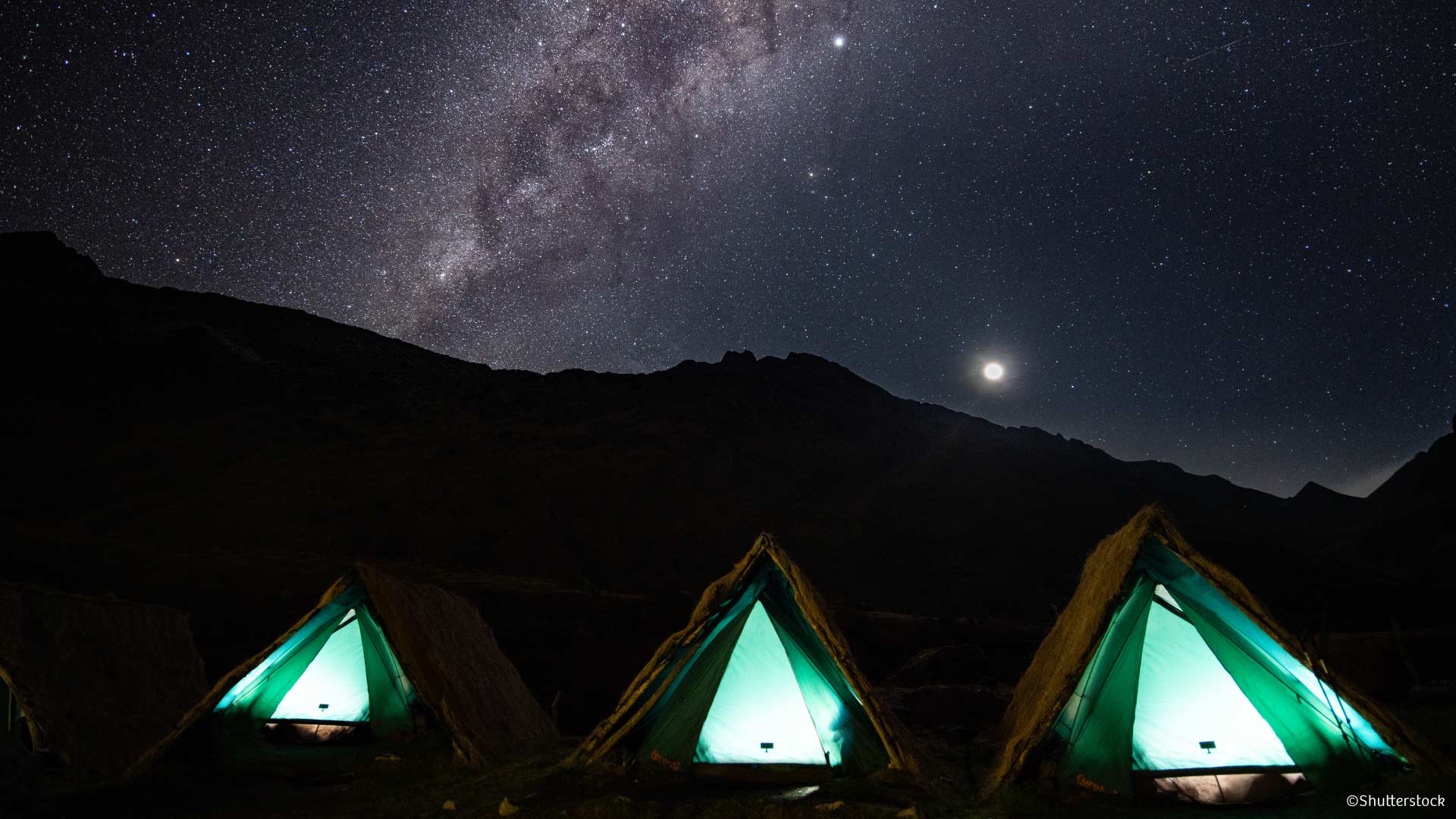
Picture this: you close your eyes, take in the crisp mountain air, and when you open them, a sky full of stars feels close enough to touch. That is the experience of astrotourism.
Astrotourism is a captivating journey where nature, ancient traditions, and science come together, winning the hearts of travelers around the globe. It is an invitation to explore the wonders of the night sky—whether you are tracing constellations, spotting planets, watching meteor showers, or uncovering the astronomical wisdom of diverse cultures.
More than stargazing, astrotourism is a deep, immersive journey that weaves together science, nature, and history. In Cusco, it holds a unique treasure: the Andean cosmovision—a worldview rooted in Inka times, when gazing at the sky was key to understanding life and nurturing the spiritual and agricultural cycles.
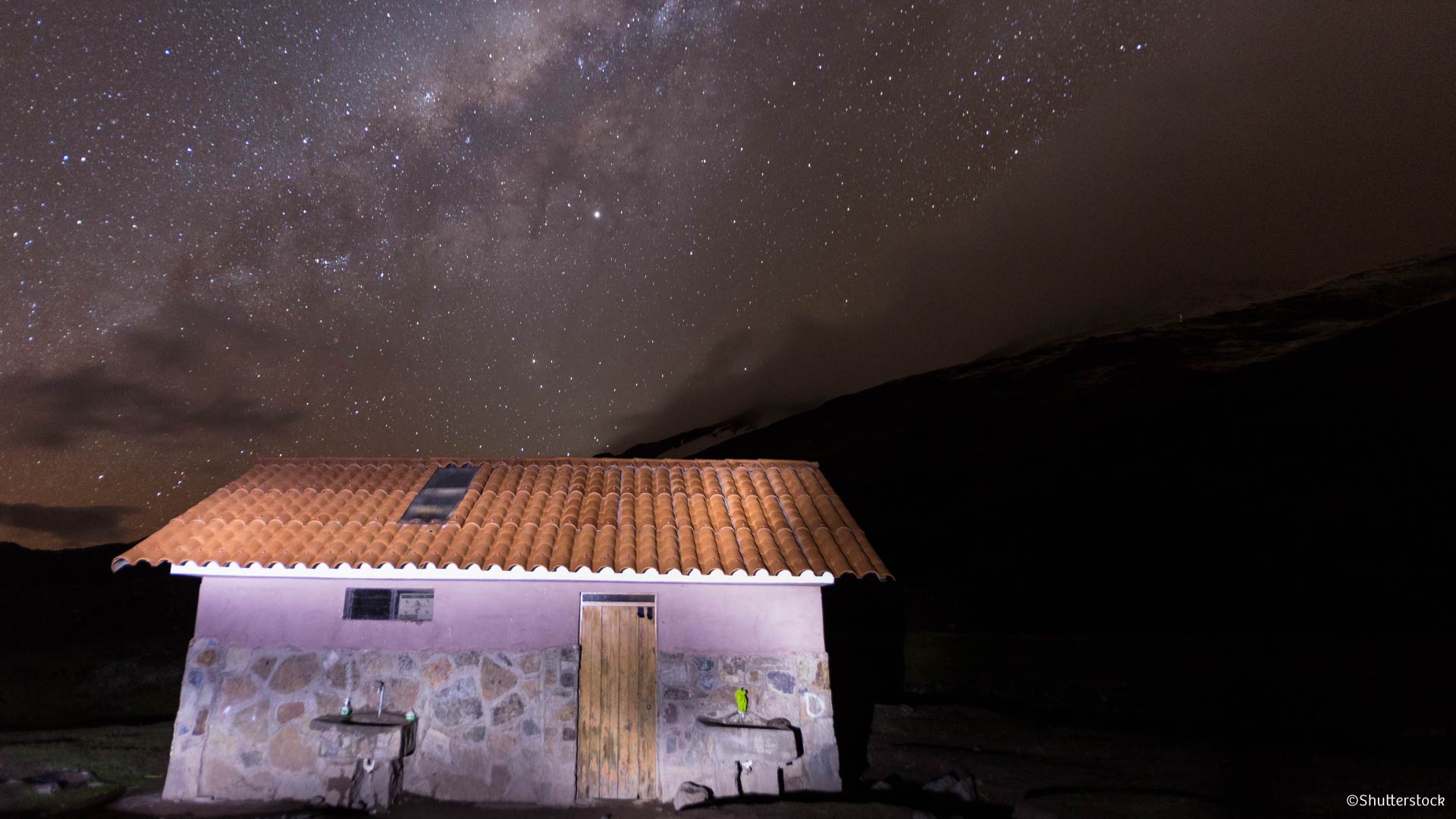
Areas perched over 2,800 meters above sea level enjoy clear skies for most of the year and minimal light pollution—making them some of the best spots on the planet to experience astrotourism.
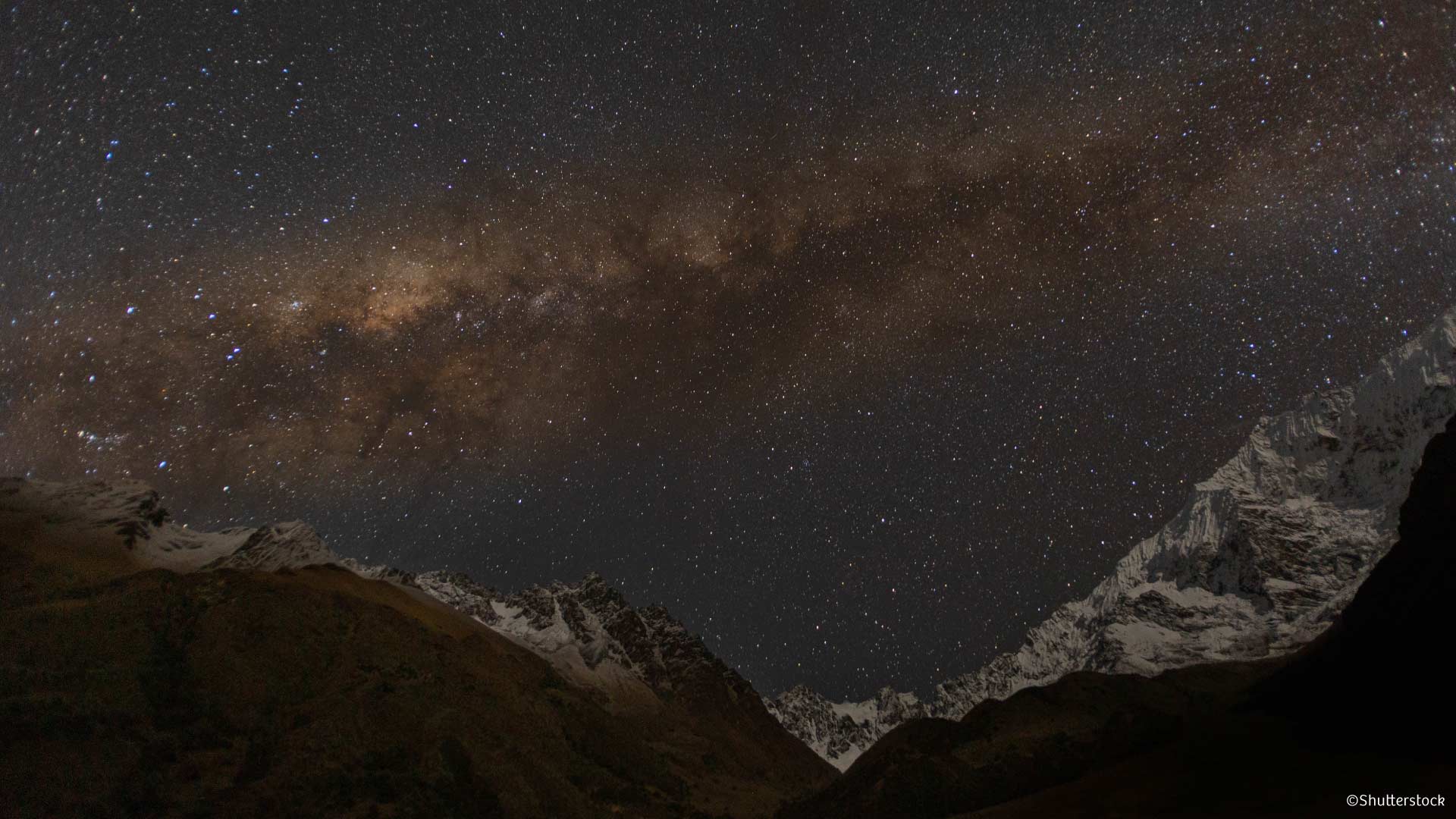
In towns like Pisac, Urubamba, Ollantaytambo, Lares, Maras, Pacchanta, Huchuy Qosqo, and beyond, the Sacred Valley reveals itself as a vast canvas painted with thousands of stars, the Milky Way, and constellations visible only from the southern hemisphere.
What are the main destinations for astrotourism?
The community of Mullakas Misminayin the district of Maras—just over an hour from Cusco—has become a reference in astrotourism. In 2022, it earned the prestigious title of the first certified Starlight site, an honor granted by the Starlight Foundationwith support from the International Astronomical Union and the World Tourism Organization. This recognition celebrates not only the exceptional clarity of its night skies but also its steadfast dedication to protecting and preserving the natural environment.
You might also like: Discover everything about the Sacred Valley of the Inkas
This astrotourism haven not only treats visitors to crystal-clear, star-filled skies, but also immerses them in the authentic Andean cosmovision. Through vibrant festivities, traditional dances, and captivating tales of the constellations, the community’s profound connection to the heavens comes to life. In this way, Mullakas Misminay becomes a true gateway to the cultural and astronomical treasures of Cusco, set against the backdrop of breathtaking landscapes.
Amid towering snow-capped peaks and shimmering glacial lakes, Lares—nestled in the Urubamba district—stands out as an emblematic spot for astrotourism. But its magic extends far beyond the night sky: here, small Quechua-speaking communities keep ancestral traditions alive, from cultivating tubers to herding llamas and alpacas, and crafting intricate weavings.
What is the best time of the year for astrotourism?
The Sacred Valley boasts clear skies most of the year, but the prime months for stargazing are April to October, when the dry season brings crisp, cloudless nights. During this time, the Milky Way reveals itself in stunning detail. For an even more breathtaking experience, plan your visit around the new moon, when the deep darkness unveils countless stars and celestial wonders.
An experience that ignites every sense
Astrotourism is a visual, sensory, and emotional journey. The silence of the night, the crisp mountain air, the distant murmur of a river, and the sheer feeling of vastness invite a rare moment of introspection—shaping an experience that is truly one of a kind.
Astrotourism is also a journey back in time—a chance to step into a story that began centuries ago, when the Incas themselves looked to the heavens for guidance. It’s an invitation to reconnect with nature, embrace ancestral wisdom, and marvel at the boundless beauty of the universe. So, what are you waiting for to rediscover yourself in the heart of Peru?
Follow us on social media
Facebook | Instagram | Twitter | TikTok | YouTube