
Written by:
peru.travel
Monday, July 6, 2020
In this Page
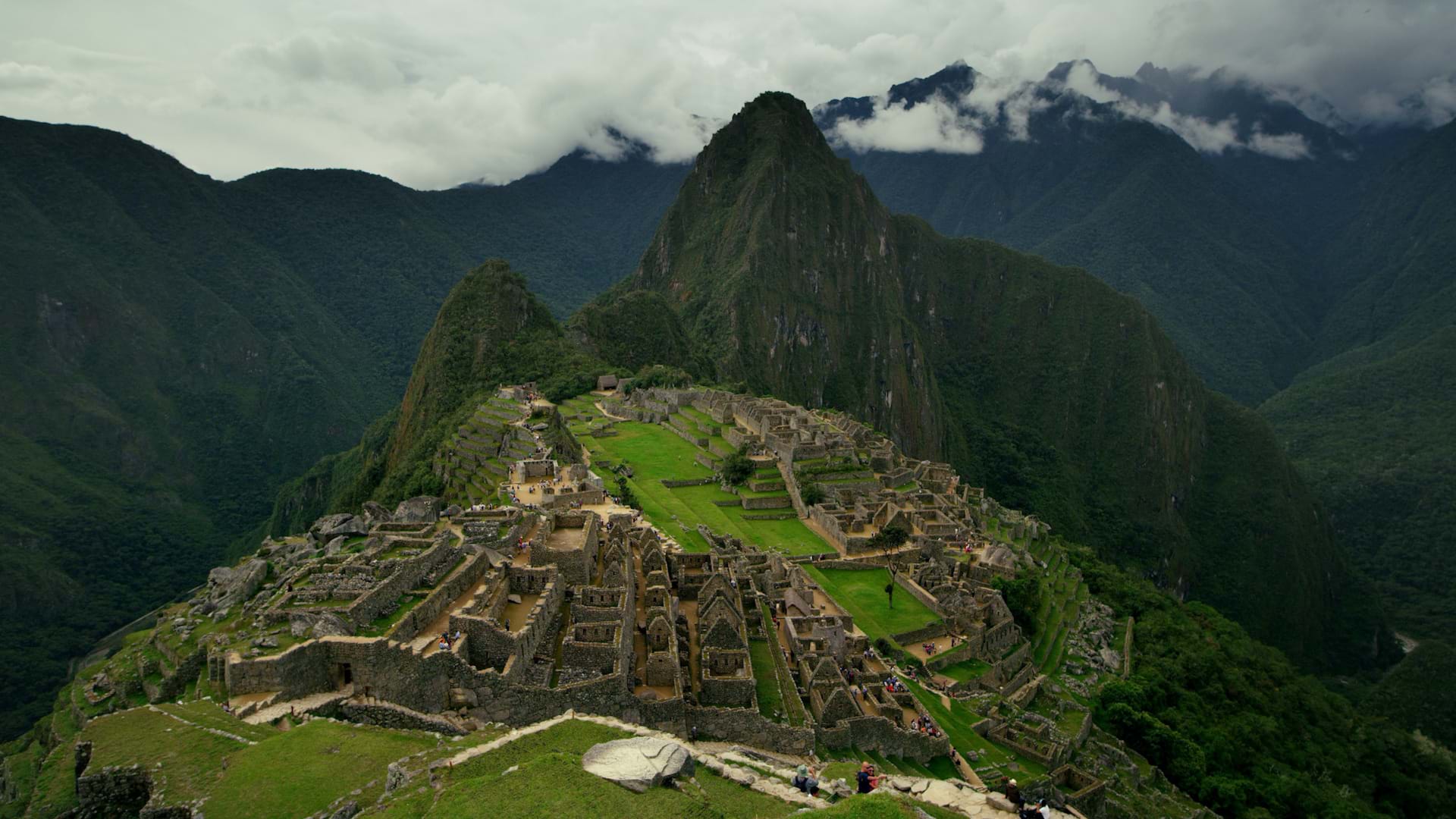
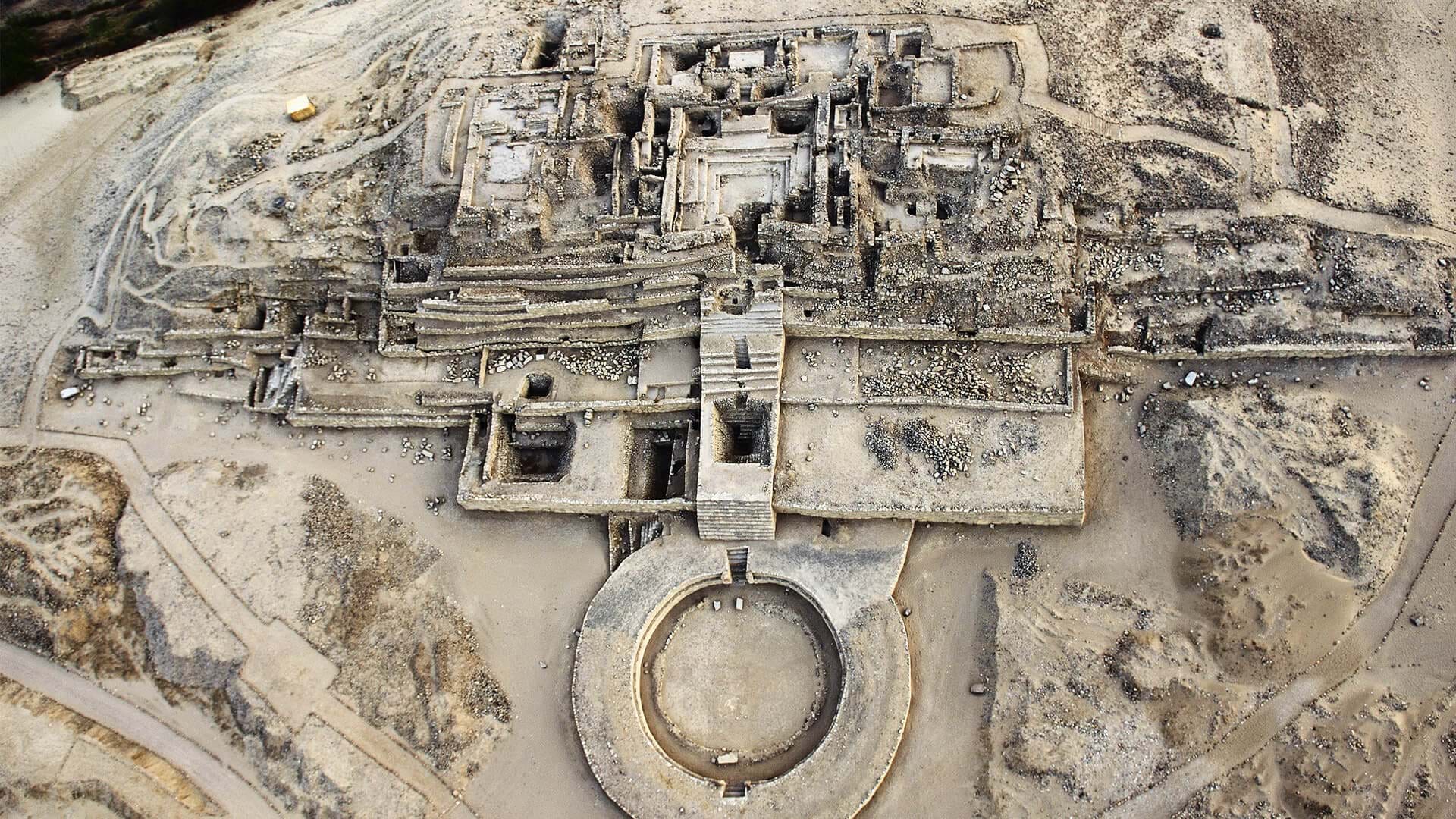
More than 150 km north of Lima, specifically in the Supe Valley, in Barranca, more than 5,000 years ago, the oldest city in America was established: Caral. This civilization, although it had no knowledge of pottery or machinery, managed to develop trade exchange, a hierarchical society, intercultural relations and management of ecosystems.
Considering all that Caral represents, it is not an exaggeration to say that its inhabitants were more than a 1000 years ahead of other cultures in Mesoamerica, and in more than 2000 years in cultures like Maya. This is because, despite living in complete geographic isolation, they anticipated in the development of certain advances such as the construction of irrigation canals or the planning of climatic calendars.
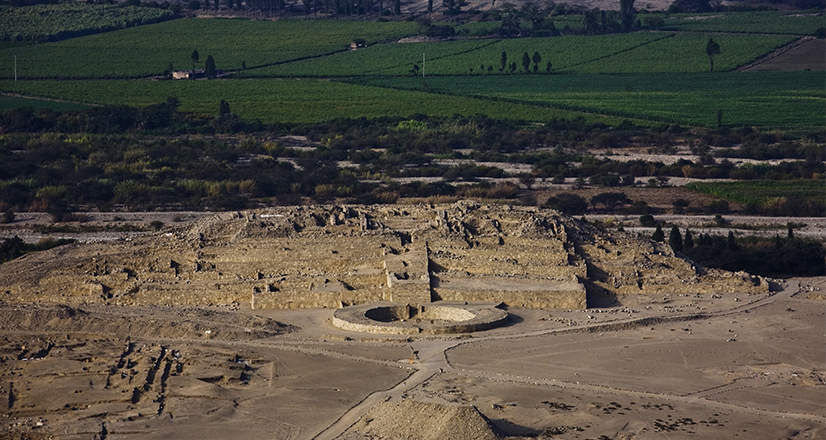
With more than 5 thousand years old, Caral is considered the oldest civilization in the American continent.
Credit: Daniel Silva / PromPerú.
Organization and monumental architecture
Between the years 3000 and 2500 B. C., the people from Caral began to form small settlements in what is now the province of Barranca, that interacted with each other to exchanged products and merchandise. It was there where it began with the construction of new large urban centers in which important circular squares and pyramidal public places were built that served as ceremonial centers. It was at these complexes where a deity was worshipped and the cremation of offerings was also practiced as a sign of gratitude.
The importance of water
The people from Caral built ditches whose remains show how they used the climate and water resources. Through these constructions, they managed to canalize the direction of the wind so that the water reaches the lowest areas and can be used for domestic purposes.
Obtaining water was one of most important tasks in their day-to-day duties. In fact, in different parts of the valley they built puquios, (springs in Quechua), that served as reservoirs for water management.
Economy based on exchange
Caral built its economy in fishing and agriculture. According to investigations, they traded cotton and dehydrated fish with other less-developed societies from the Andes and the Amazon.
Something that also characterized Caral was its extensive scientific and technological knowledge that they transferred to other neighboring cultures. This development is shown in the creation of new agricultural techniques such as the mentioned irrigation channels. Likewise, there is evidence that this civilization may have organized an army that manufactured its own weapons.
Vision for the future
Water management and food preservation were essential for survival, given the people of Caral established themselves in a semi-desert area where water was in short supply. This is why they prioritized the management of ecosystems and climate change identification, such as what is now called the El Niño phenomenon. These advances gave Caral the name of “the first sustainable city in the world”.
Details
Based on its impressive architecture, antiquity and urban extension, the United Nations Educational, Scientific and Cultural Organization (Unesco) declared Caral a World Heritage Site in 2009.
Follow us on social media
Facebook | Instagram | Twitter | YouTube