
Written by:
peru.travel
Thursday, October 2, 2025
In this Page
Traveling to Peru means experiencing the thrill of spotting guinea pigs, hummingbirds, capybaras, Andean bears, and llamas in unique natural and cultural settings.
Picture Llamas grazing on centuries-old terraces, a hummingbird hovering delicately over a blossom, a capybara emerging by an Amazonian riverbank, or the shy trace of an Andean bear fading into the mist. These encounters appear as if they have leapt straight from the pages of a fairytale, and in Peru, they are part of everyday life.
The land of the Inkas holds an extraordinary biodiversity, with landscapes and ecosystems that give life to these iconic species in their natural environments. That is why wildlife watching here is not just sightseeing, it is an unforgettable and immersive experience.
Guinea pig: Andean tradition and a glimpse into rural life
Beyond its role in Peruvian cuisine, the guinea pig is deeply woven into the daily life of many Andean communities. For travelers seeking cultural immersion, visiting family farms and taking part in rural activities offers the chance to see how guinea pigs are raised, understand their historical significance, and, if desired, enjoy local recipes lovingly prepared by the families themselves.
This charming animal can be found in various communities and markets across Andean regions such as Cusco, Ayacucho, and Huancavelica, as well as along community tourism routes that feature demonstrations of breeding practices and traditional gastronomy.
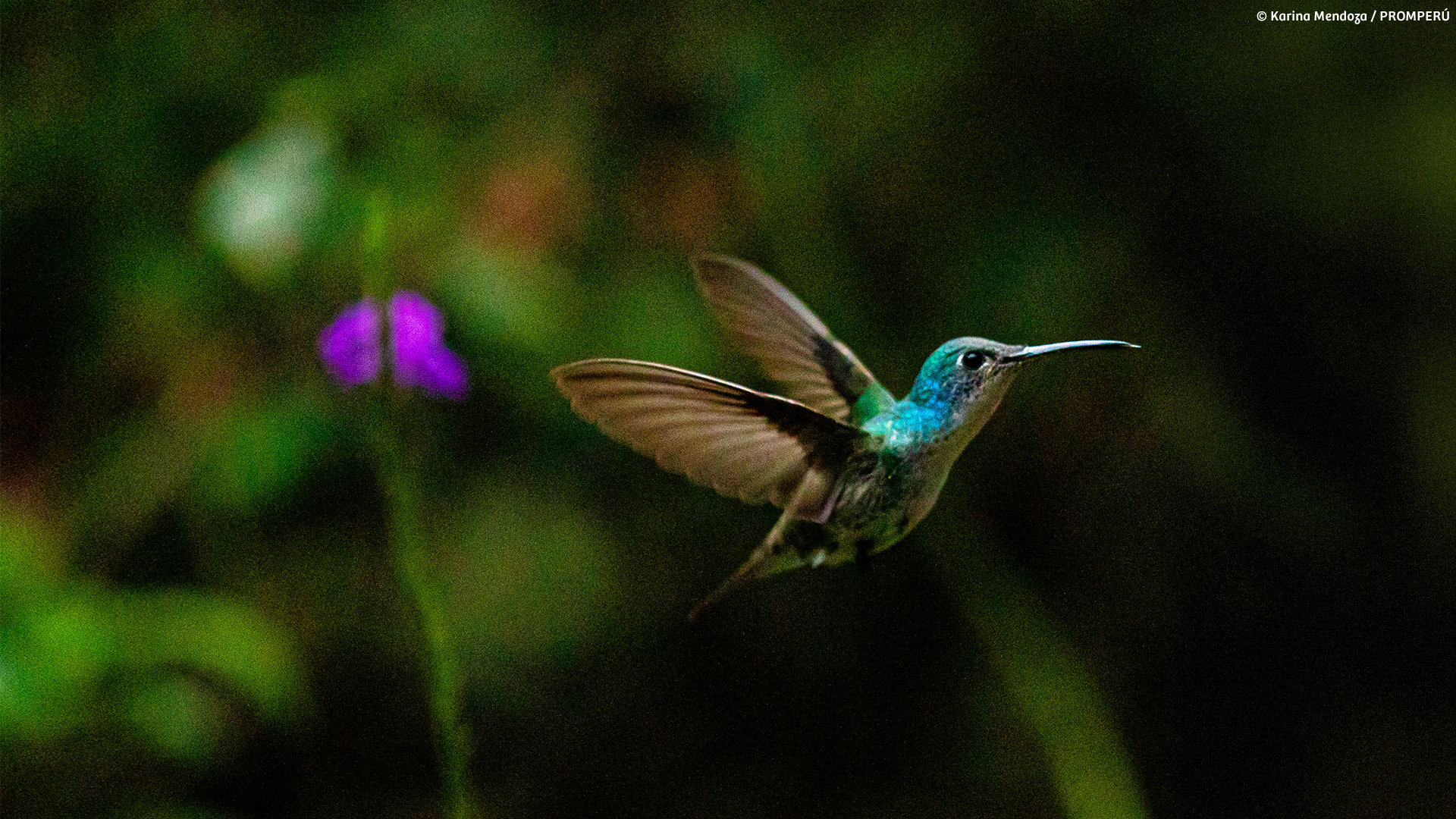
Hummingbird watching in Chachapoyas - ©Karina Mendoza / PROMPERÚ
Hummingbirds: Acrobatics and color in the forests
Hummingbirds are small, fast, and abundant in cloud forests and wooded areas, with countless species in Peru that captivate birdwatchers and photographers alike. There are reserves, dedicated gardens, and observation lodges where hummingbirds gather at feeders or flowers, allowing visitors to admire their dazzling plumage and extraordinary flight up close
For travelers, staying at a lodge becomes an intimate experience: enjoying breakfast while dozens of hummingbirds buzz just a few meters away is truly unforgettable. Where can they be seen? In the Amazonas region, the Utcubamba Valley is a prime spot, while the Alto Mayo Protected Forest lies in the San Martin region. Hummingbirds can also be found in specialized sanctuaries of the Sacred Valley, including the Yanahuara hummingbird sanctuary near Urubamba (Cusco), as well as other Andean locations where gardens have been designed to attract them.
You may also be interested in: Discover the llama-inspired forms embellishing the the walls of Choquequirao
Capybara: The Amazon’s aquatic giant
The capybara is the largest rodent in the world and can be observed relatively easily along wetlands and riverbanks in the Amazon. Watching a capybara in its natural habitat—calm, social, resting in the vegetation or gazing at the water—offers a glimpse into the serene rhythm of the Amazon. Boat tours through reserves and protected areas provide respectful encounters and exciting photo opportunities without disturbing the animal. The Tambopata National Reserve, Pacaya Samiria, and other protected Amazonian areas in Peru are ideal spots to see this charismatic creature.
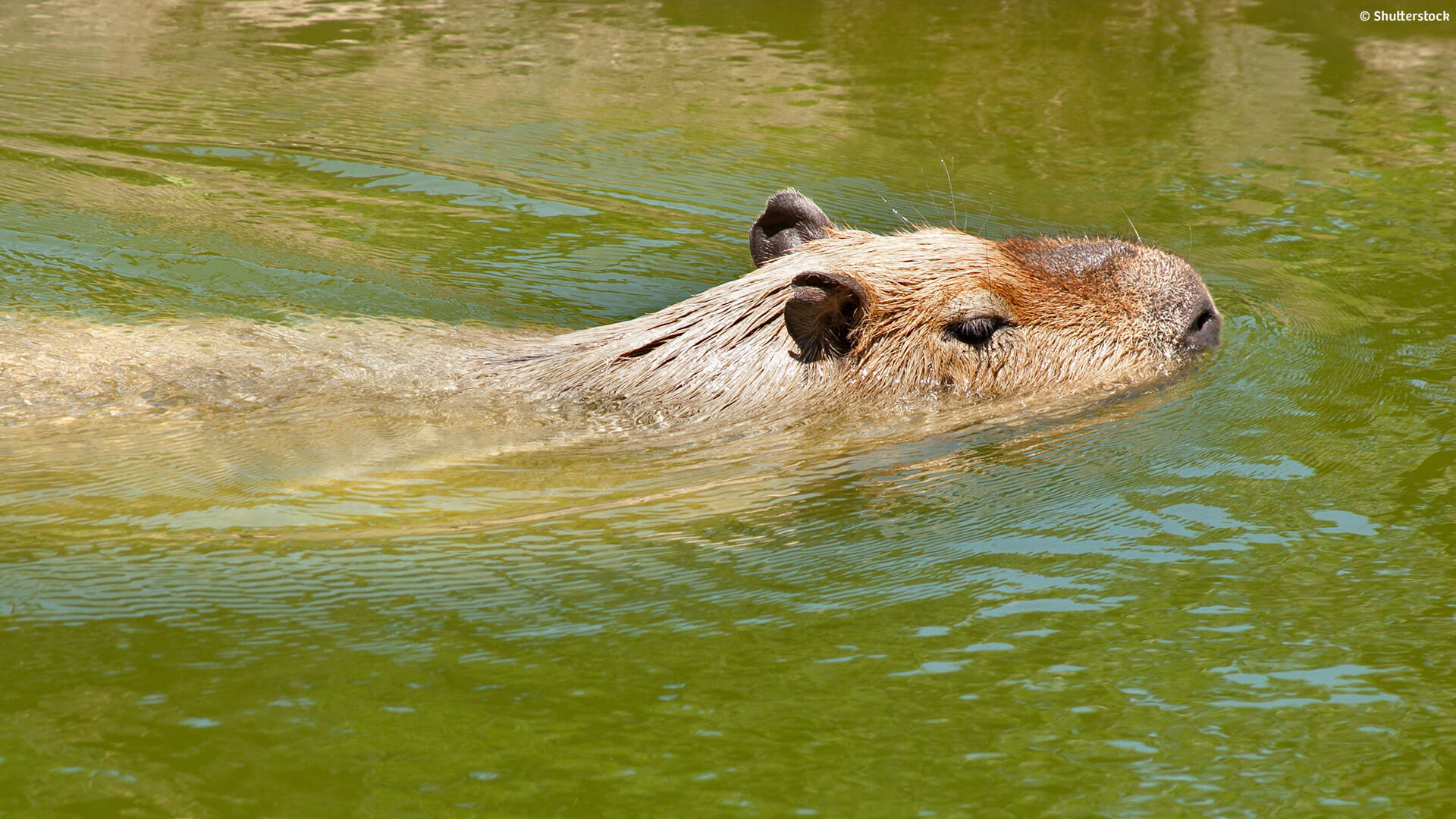
Capybara swimming in the Peruvian Amazon - © Fernando López / Shutterstock
Andean bear (spectacled bear): The mystery of the mountains
Also known as the "spectacled bear," it is the only bear species in South America and one of the most iconic mammals of the Andes. Its elusive nature makes every sighting a remarkable experience. Tracks, camera traps, and observation points in protected areas allow visitors a chance to encounter it in its natural environment.
Some of the best places to observe the Andean bear in the wild include Cutervo National Park in Cajamarca, the Machupicchu Historical Sanctuary, Manu National Park in Cusco and Madre de Dios, and the Alto Mayo Protection Forest in San Martin.
Llamas: Ancestral companions in the Andes
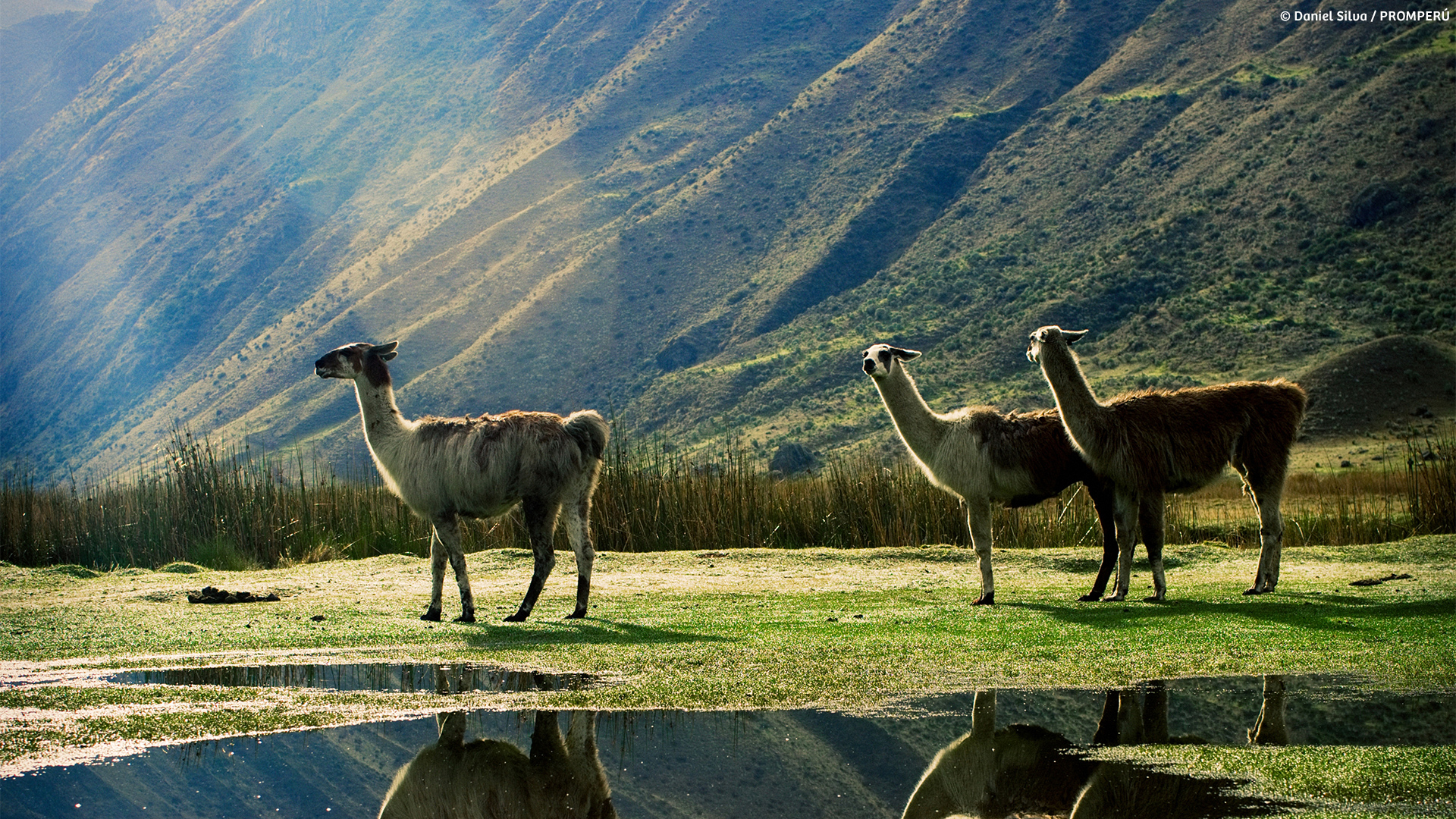
Seeing llamas among terraces, in local communities, or near archaeological sites is almost synonymous with Peru for many travelers. Beyond the inevitable photo, responsible interactions with these camelids provide insight into their role as pack animals, sources of fiber, and central figures in ceremonies and daily life. Walking with llamas along short trails or visiting communities that raise them adds an emotional dimension to any Andean itinerary.
Llamas can be found throughout many corners of Peru. Places such as the Sacred Valley of the Inkas, Machupicchu, and regions of Cusco, Puno, and Arequipa offer opportunities to see them grazing in stunning landscapes. In traditional communities like Chinchero or Pisac, visitors can also learn up close how llamas are raised and how their fiber is used in ancestral textile practices.
Traveling to Peru is a unique opportunity to connect with nature and discover iconic animals that are part of its cultural identity and rich biodiversity. From the guinea pig, present in traditional cuisine, to hummingbirds darting energetically through the skies, the friendly capybara in the Amazonian rivers, the elusive Andean bear in its mountain habitat, and the ever-charming llama roaming the highlands, each encounter reveals the living richness of the country.
Exploring these destinations is not just about observing wildlife; it is about experiencing authentic moments that bring you closer to the heart of Peru. Embrace the journey and let its natural wonders surprise you.
Follow us on social media
Facebook | Instagram | Twitter | TikTok | YouTube