

Written by:
peru.travel
Tuesday, August 15, 2023
In this Page
Peru's diverse culinary offerings have left a valuable and lasting impression on visitors from all over the world, and this is always a reason to celebrate.
Peruvian gastronomy is worthy of daily praise, but there are certain traditional beverages and dishes that have special assigned dates. Therefore, a gastronomic calendar has been established to commemorate them. Here, we inform you about these dates so you can celebrate them properly.
FEBRUARY
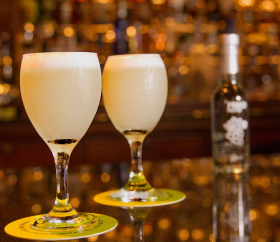
- Pisco Sour Day: On the first Saturday of February, the Pisco Sour, Peru's quintessential cocktail, is celebrated. It is a drink prepared with this distilled spirit and is characterized by its refreshing and balanced flavor, with a citrus touch and a soft foam on top.
During this celebration, several activities are carried out, such as gastronomic festivals and cocktail competitions, where the best version of the Pisco Sour is awarded. Bars and restaurants also offer special promotions and tastings so that lovers of this drink can fully enjoy it.
- Pachamanca Day: One of the most representative dishes from the Peruvian Andes is celebrated on the first Sunday of February. The ingredients used in Pachamanca depend on the region of Peru where it is prepared, but it is always cooked underground using hot stones to generate heat.
On this day, special festivals or events are organized to highlight this traditional Peruvian meal. These events may include the preparation and tasting of Pachamanca, as well as cultural and folk activities related to Andean customs.
- Emoliente Day: This traditional natural beverage is celebrated on February 20th. It is usually part of the Peruvian breakfast. Emoliente's preparation varies depending on the region and personal taste but generally involves boiling a mixture of herbs and grains, such as barley, linseed, mallow, lemon verbena and boldo, among others. Sugar or honey is added for sweetness, and lemon is used to give it an acidic touch.
Emoliente is believed to have digestive, diuretic, and healing properties, and many people consume it to relieve stomach discomfort or as a healthy drink in general.
MAY
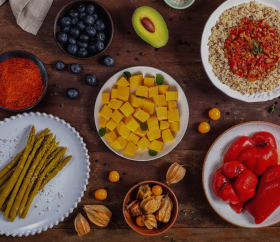
- Potato Day: On May 30th, Peru celebrates its more than 3500 varieties of potatoes. This tuber is one of the most important and emblematic foods in Peruvian gastronomy and has been cultivated in the Peruvian Andes for thousands of years, playing a fundamental role in the diet and culture of indigenous communities.
During this date, activities such as fairs, exhibitions, and contests related to potatoes are organized, showcasing and promoting the different varieties and sharing traditional recipes that use potatoes as the main ingredient.
JUNE
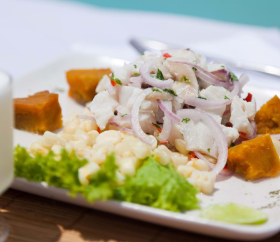
- Cebiche Day: One of the most emblematic and representative dishes of Peruvian gastronomy is celebrated on June 28th. This is a preparation of raw fish or seafood marinated in lime juice, seasoned with salt, chili peppers, and other ingredients. It is considered a refreshing and flavorful dish, highly appreciated for its combination of acidic and spicy flavors.
During this date, cebiche enthusiasts have the opportunity to enjoy this dish and learn about its preparation and taste the different versions that exist in each region of Peru.
JULY
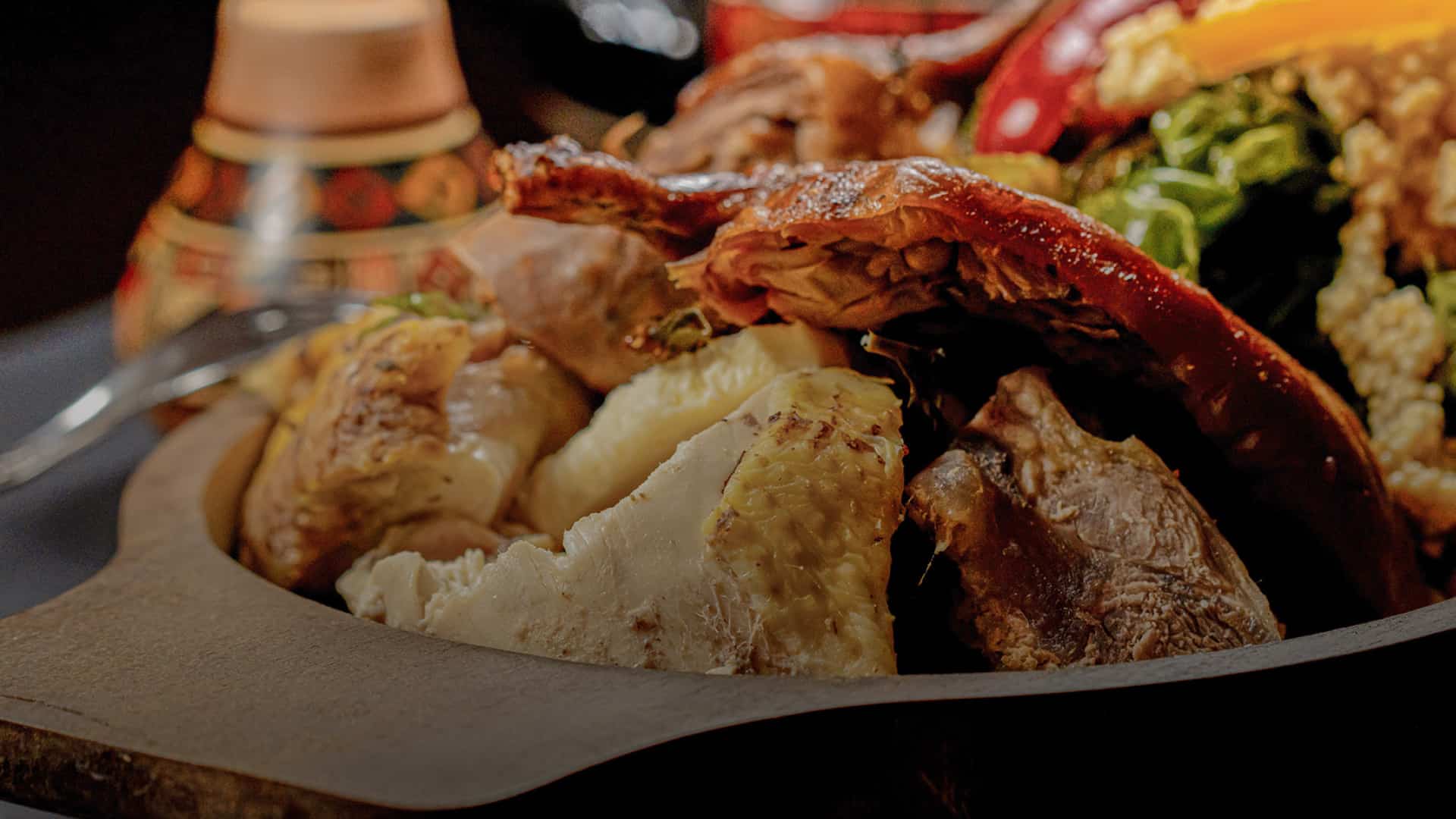
- Pollo a la Brasa Day: One of the most consumed dishes by Peruvians is celebrated on the third Sunday of July. This is a roast chicken very popular in Peru and involves marinating the chicken with spices and herbs and then cooking it in a rotisserie oven. The result is a juicy and flavorful chicken with crispy skin and a distinctive taste.
This celebration is an opportunity to recognize that roast chicken has become an icon of Peruvian gastronomy, both local and international.
- Pisco Day: On the fourth Sunday of July, Peru celebrates its emblematic spirit: Pisco. This drink is made from the distillation of fresh grapes, without the addition of water or other ingredients.
This day is an occasion to celebrate and promote Pisco, as well as to acknowledge its history, tradition, and cultural value. Many activities such as fairs, festivals, contests and tastings are held throughout the country. There are also events to learn more about Pisco production, its diversity of styles, and different ways to enjoy it.
AUGUST
- Peruvian Coffee Day: Peru is one of the main coffee producers in the world and on the fourth Friday of August, this exquisite bean is celebrated. Peruvian coffee is highly valued and recognized internationally for its quality. It is characterized by its intense aroma and soft flavor notes that can vary depending on the region of cultivation.
On this date, homage is paid to the quality and diversity of Peruvian coffee, as well as to the producers and workers in the coffee industry. Several activities and events are held throughout the country, such as fairs, tastings, contests and exhibitions to learn about its cultivation and production process and to know more about tasting and appreciation techniques.
OCTOBER
- Guinea Pig Day: : On the second Friday of October, Peru celebrates the importance of guinea pig in its gastronomy. This animal is considered an important source of protein and is prepared in different ways: roasted, fried, stewed or in typical dishes such as cuy chactado and cuy al horno.
During this celebration, fairs and festivals are held throughout the country. There are tastings, breeding exhibitions and sharing of knowledge about its nutritional value and health benefits.
- Anticucho Day: This flavorful Peruvian dish is celebrated on the third Saturday of October. Anticuchos are meat skewers (usually made with beef heart) that are cut into small pieces and then skewered onto wooden sticks before being grilled.
During this celebration, enthusiasts of Peruvian gastronomy can enjoy different types of anticuchos, try different accompaniments and sauces, and learn more about the history and tradition behind this emblematic dish.
- Manchapecho Day: This Peruvian dish receives a well-deserved tribute on the fourth Sunday of October. It brings together two main dishes of the typical Ica cuisine (a region in southern Peru): carapulcra and sopa seca.
Manchapecho is considered a comforting and nutritious dish, served hot and often accompanied by rice, mandioca or other traditional foods. It is highly valued as an important part of Peruvian gastronomy.
Follow us on social media
Facebook | Instagram | Twitter | TikTok | YouTube