

Written by:
peru.travel
Tuesday, January 23, 2024
In this Page
Holy Week is a Christian celebration that commemorates the passion, death, and resurrection of Jesus Christ. In Peru, like in many other Catholic countries, Holy Week is an important religious feast celebrated with different activities and events.
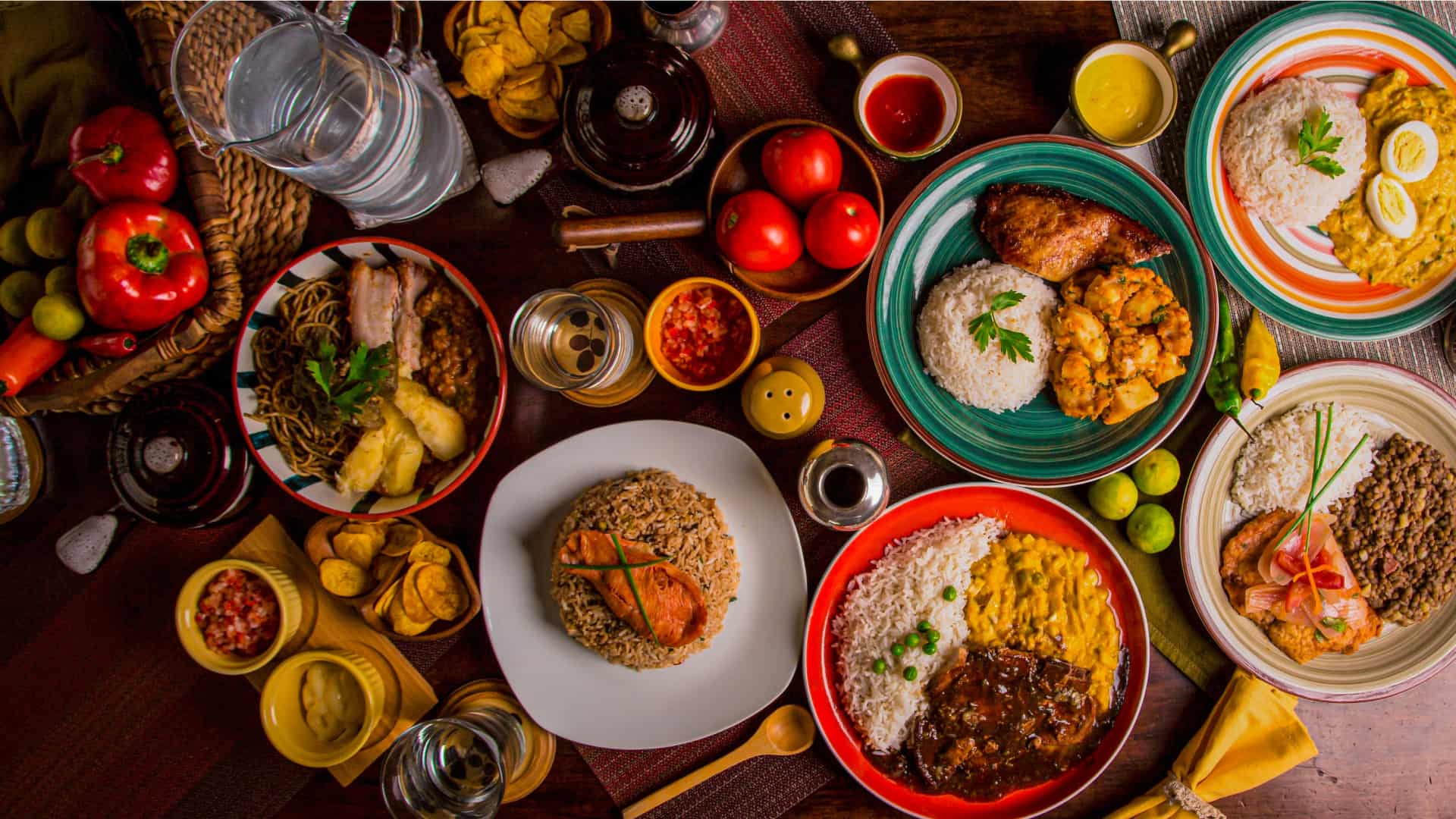
However, in Peru, this time goes beyond religious expressions and is also experienced through the exquisite gastronomy that characterizes the country.
In this article, we explore four delicious typical Peruvian dishes you can enjoy during this season in different Peruvian regions.
Cebiche
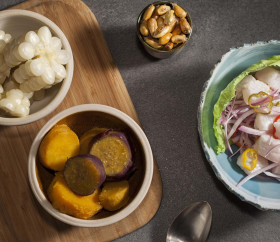
This is a typical dish of Peruvian cuisine with international recognition. It has its roots in the ancient civilizations of the coastal region, where fishing was practiced, and fresh local ingredients were used. The essential preparation of cebiche is about raw fish or seafood marinated in lime juice, which "cooks" the fish.
In addition to the fish, it usually includes ingredients such as red onion, chili, cilantro, and corn. The mix of these fresh elements and intense flavors gives ceviche its distinctive taste and texture. This dish is not only appreciated for its delicious flavor profile but also for its ability to reflect Peru's rich culinary heritage.
This icon of Peruvian gastronomy has gained popularity worldwide, enjoyed by people from diverse cultures who appreciate the freshness and intensity of its flavors. The versatility of this dish has several interpretations and variations, making it a unique expression of Peruvian culinary diversity and creativity.
Tuna Causa
This dish represents Peru's rich gastronomic heritage. It appeared in the pre-Hispanic era. This culinary delicacy is a clear example of the fusion between Peruvian tradition and European culinary influences.
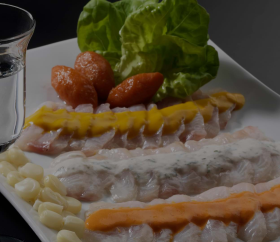
The causa consists of layers of yellow potato puree seasoned with lime, yellow chili, and salt, interspersed with various fillings. One of the most common fillings is tuna. It is decorated with egg and olives. It must be refrigerated before serving.
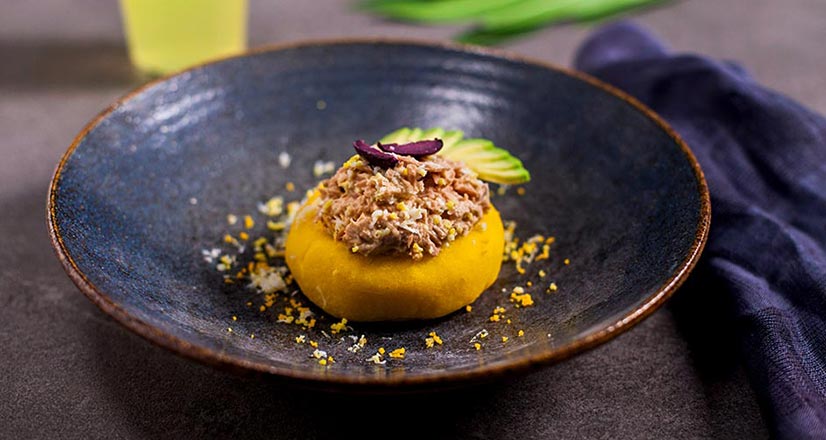
Delicious tuna causa. Credit: Adrián Portugal / PromPerú
Its history and evolution illustrate the cultural richness of Peruvian gastronomy, which continues to delight those who have the pleasure of savoring it.
Patarashca
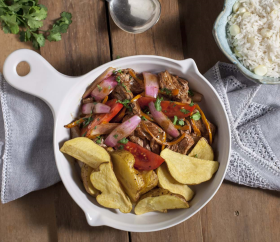
It is a traditional culinary technique originating from the Peruvian Amazon, consisting of cooking foods such as fish with achiote, garlic, cumin, salt, and lime juice wrapped in banana leaves and cooked over coals. The preparation of this dish usually includes aromatic herbs, local spices and condiments, giving it a distinctive and authentic flavor. It is served with yucca or plantain.
To prepare patarashca, seasoned ingredients are placed on banana leaves, wrapped into a packet, and then tied with natural fibers. This packet is placed over the coals, allowing the flavors to blend and intensify as the ingredients cook slowly. The banana leaf acts as a natural wrap that retains moisture and aromas, contributing to enhancing the flavor of the food.
This dish is appreciated for both its unique cooking method and the authentic flavors it highlights. In addition to being an ancestral technique, it has become popular today, attracting the attention of gastronomy enthusiasts seeking authentic regional culinary experiences.
Shrimp Chupe
It is a creamy and hearty soup that stands out for its delicious flavor, thanks to the presence of shrimp, a highly prized crustacean in Peruvian cuisine.
The main ingredients of this preparation usually include fresh shrimp, fish broth, evaporated milk, yellow chili (a type of hot pepper), potatoes, corn, eggs, rice, onion, garlic, among other condiments and aromatic herbs.
The preparation varies slightly depending on the region and local preferences, but generally starts with sautéing onion, garlic, and yellow chili. Then, shrimp are added and cooked until tender. Subsequently, potatoes, corn, and rice are incorporated, followed by fish broth and evaporated milk. The soup is cooked slowly until all the ingredients blend and acquire a creamy consistency.
Shrimp chupe is a delicious expression of the diversity and quality of seafood in the Peruvian region. This dish not only stands out for its unique flavor but also for its creamy texture and its ability to satisfy the appetite with its abundance of ingredients.
In conclusion, Holy Week in Peru is not only experienced through religious manifestations but also through the diversity and excellence of its gastronomy. These four typical dishes offer a unique opportunity to explore and enjoy the richness of Peruvian cuisine during these festivities. Dare to try these delights and immerse yourself in the gastronomic tradition of Peru!
Follow us on social media
Facebook | Instagram | Twitter | TikTok | YouTube