
In this Page
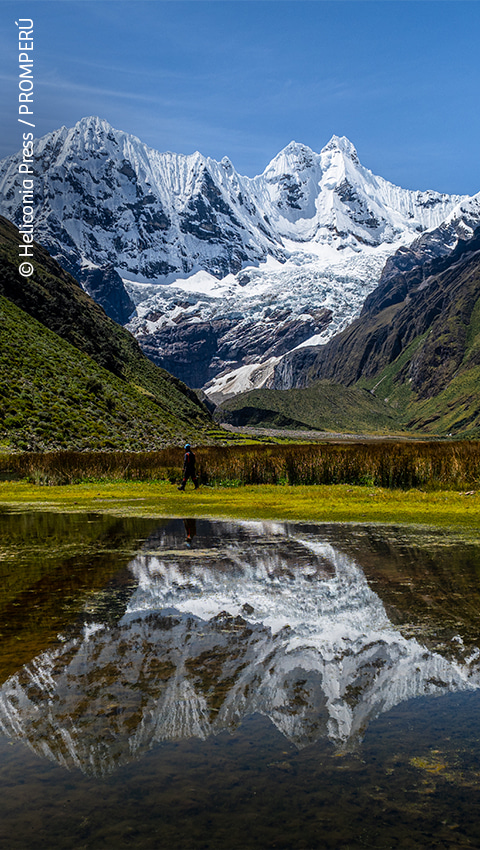
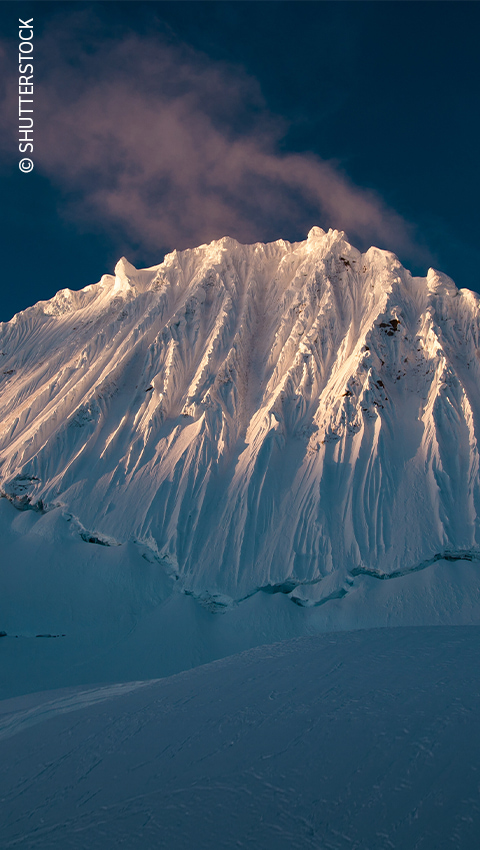
It is not enough for her to be the highest tropical mountain range in the world, or to host stunning glaciers such as those of Huascaran and breathtaking snow-capped peaks like Alpamayo. Nor is it enough that she is revered by climbers from all over the world, who come in search of her summits at any cost, as she is both irresistible and imposing.
She longs for more. She longs for the Cordillera Negra, the rocky giant that rises before her. The dream of this bride is eternal and unreachable, as the Callejon de Huaylas has always stood between them. Yet the Cordillera Blanca is, and will remain, the most beautiful of them all, admired by both locals and visitors alike.
The Cordillera Blanca is located in the northern of Peruvian Andes, specifically in the Ancash region. This mountain range, covering approximately 200 km², is part of the longest continental mountain system on Earth, which extends across seven South American countries.
However, these features are not the most impressive aspect of this natural area: more than a dozen of its snow-capped peaks rise above 6,000 meters above sea level. It also holds within its territory the Huascaran National Park, a protected natural area designated by the Peruvian government as a Biosphere Reserve (1977) and a UNESCO World Natural Heritage Site.
How to get there?
Reaching the Cordillera Blanca is not a difficult journey. Today, there are two main options commonly used to reach this magical and mysterious destination, surrounded by nature and the characteristic cold of the Peruvian Andes. The fastest option is to take a flight from Lima, the capital of Peru, to Anta (Carhuaz). This leg of the trip takes approximately 1 hour. From Anta Airport to the Huascaran National Park – Llanganuco sector entrance (a starting point to explore the Cordillera Blanca), the journey takes around 1 hour and 30 minutes by vehicle.
Another option is to travel from Lima to Huaraz using an interprovincial bus service. This journey takes approximately 8 hours.
You may also be interested in: Discover the mountaineering experience in Ancash
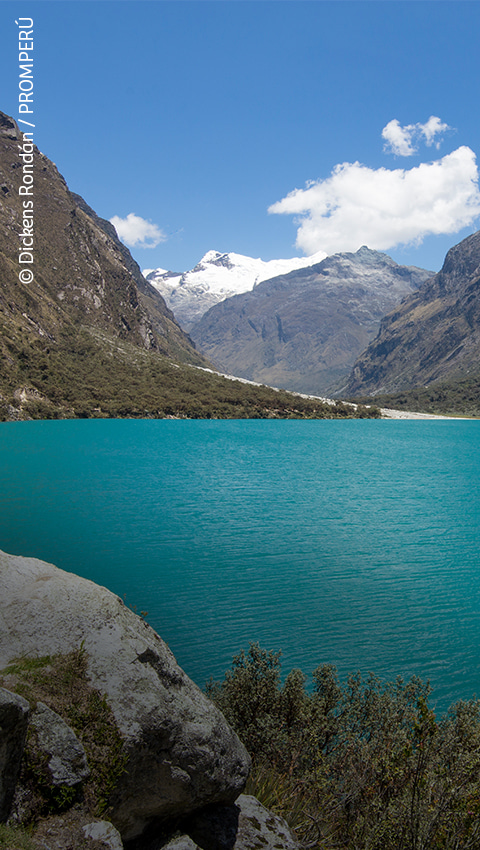
Once you arrive at the foot of the vast expanse of the Cordillera Blanca, you can simply enjoy the many natural wonders ready to be explored. There are more than 500 lakes and 700 glaciers to explore in this area! Among the most popular are Lake 69, Lake Churup, Lake Llanganuco, and Lake Llaca, among others. Meanwhile, the most visited peaks by experienced climbers include Huascaran (the highest in Peru at 6,768 meters above sea level), Alpamayo, Huantsan, Huandoy, Chopicalqui, and Santa Cruz Peak.
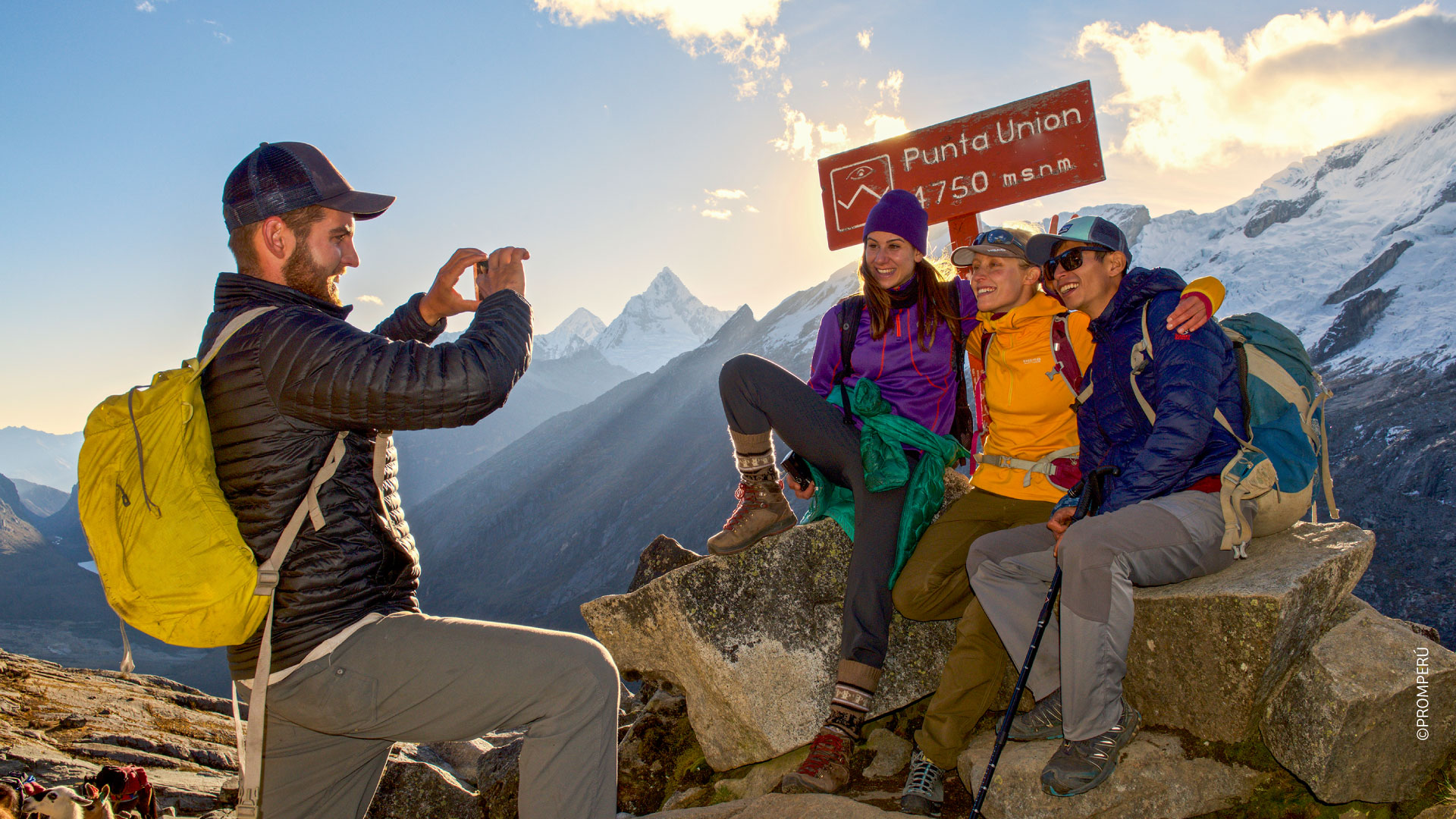
Punta Union – Santa Cruz Trek route / PROMPERÚ
What are the best months to visit the Cordillera Blanca?
The ideal season to explore the Cordillera Blanca runs roughly from June to September, during the dry season. In these months, the days are usually sunny, with clear skies that allow visitors to fully appreciate iconic peaks such as Huascaran and Alpamayo. Rainfall is minimal, making it easier to enjoy trekking, mountaineering, and excursions to lakes such as Llanganuco and 69. In addition, trails are in better condition and access routes are safer, an essential factor for those planning multi-day treks or high-altitude climbs.
Between June and August, the weather is more stable and colder, especially at night. During the day, temperatures are pleasant for walking, while the dry air enhances the colors of the Andean landscape. This period is ideal for photographers and travelers seeking clear views and uninterrupted outdoor experiences. However, it is advisable to bring warm clothing and book in advance, as this is the busiest season.
April and October are considered shoulder seasons. While occasional rainfall may occur, they offer a quieter experience, with fewer visitors and landscapes that blend the lingering greenery of the wet season with increasingly clear skies. They are an excellent option for those seeking a balance between good weather and lower tourist crowds.
In contrast, from November to March the rainy season prevails. Although the Cordillera Blanca appears greener and more vibrant, rainfall can make trekking and ascents more difficult, and some routes may be closed for safety reasons. However, it is still an attractive period for travelers who prioritize cultural experiences, landscape photography with dramatic scenery, or short visits to easily accessible viewpoints.
In short, the best time to visit the Cordillera Blanca is during the dry season, when nature reveals its most impressive and accessible side. Whatever month you choose, Huaraz offers a deep connection with the Andes and an unforgettable experience for those seeking adventure, beauty, and pure mountain air at its finest.
So now you know: the home of the ancient cultures of Chavin, Recuay, Huaylas, and Wari awaits your visit. Do not miss the chance to discover this remarkable valley.

How to get to the Cordillera Blanca?
Route 1
Lima – Anta (Carhuaz)
Approximately 1 hour
Anta (Carhuaz) – Huascaran National Park
Approximately 1 hour 30 minutes
What to do in the Cordillera Blanca?
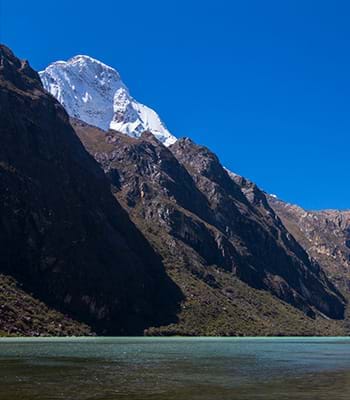
Visit Huascaran National Park and all its attractions.
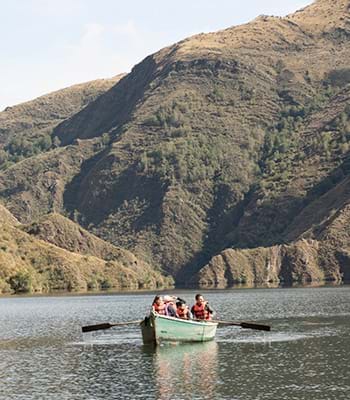
Explore the archaeological sites in the area.
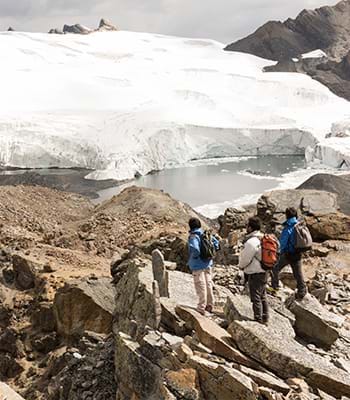
Go climbing, trekking, horseback riding, or camping.

General information
Price
For visiting Huascaran
Adult (national visitors): PEN 15
Adult (local visitors): PEN 12
Children (local): PEN 5
Entrance to HUASCARAN NATIONAL PARK:
Foreign visitors: PEN 30
National adults: PEN 12
National children: PEN 5 (ages 5–16)
Local adults: PEN 5
Local children: PEN 3
* Reference rate for a 1-day visit
Essential items:
Mountaineering equipment, a camera, warm clothing and waterproof gear, sunscreen, and cash.
Altitude
From 4,000 meters to 6,768 meters above sea level (Huascarán)
Weather:
7°C min./27°C max. in the day
-5 °C overnight