

Written by:
peru.travel
Thursday, February 8, 2024
In this Page
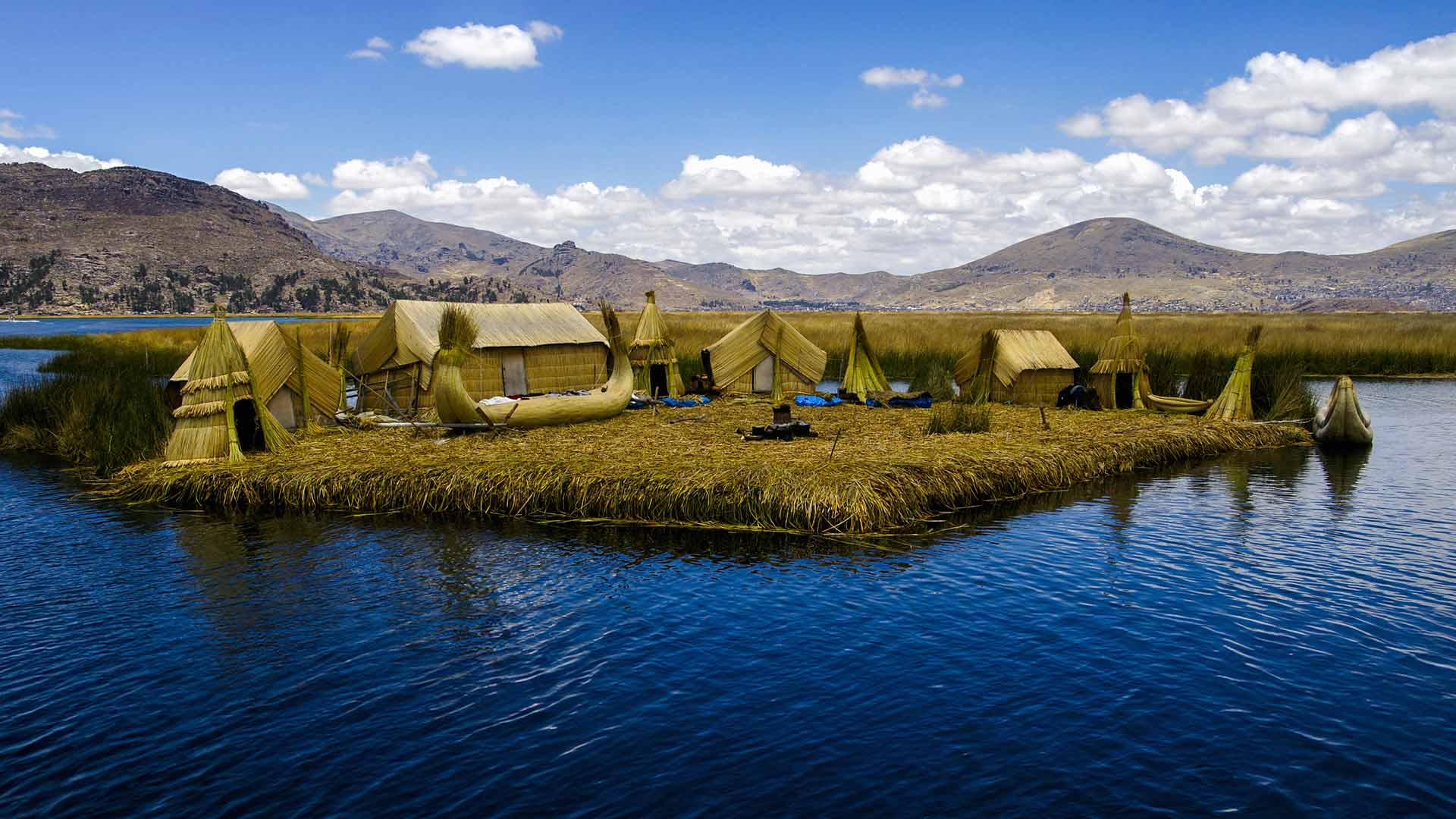
The majestic Lake Titicaca, located in the southeast of Peru, is the highest navigable lake in the world, sitting at an elevation of 3812 meters above sea level. Its spectacular scenery and remarkable biodiversity make it a unique destination that attracts travelers from different parts of the world, as well as nature enthusiasts.
This geographical treasure covers an area of approximately 8372 km2. Its vastness and depth make it more similar to a sea than a lake. Furthermore, being navigable allows it to host inhabited islands and provides incomparable opportunities for exploration.
In this article, we present the amazing species that call it home.
Unique characteristics of Lake Titicaca
On one hand, Lake Titicaca has suffered significant geological and climatic changes over millennia. These events have influenced the formation and configuration of aquatic habitats available for fish. On the other hand, this natural wonder presents single and challenging conditions for aquatic life, as its waters are cold and have significant levels of salinity and oxygen, factors that influence the ability of fish species to survive and reproduce.
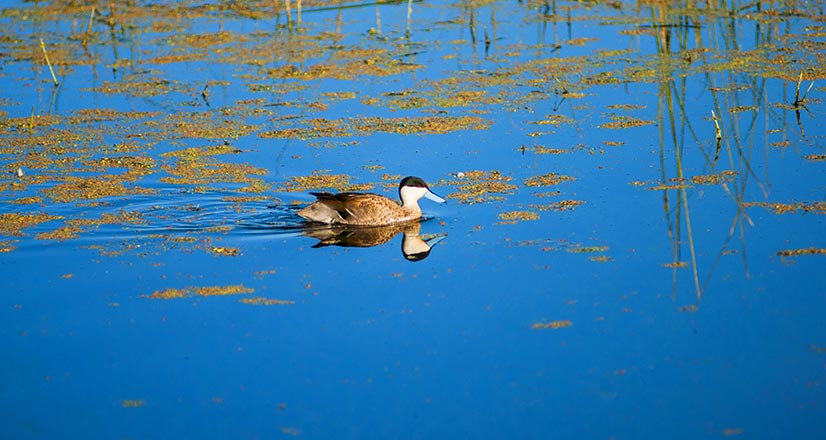
Puna teal in Lake Titicaca. Credit: Heinz Plenge Pardo / PromPerú.
The three native fish genera that inhabit Lake Titicaca
This extreme environment has led to the adaptation of a limited number of species that can tolerate these specific conditions, housing three native fish genera: Orestias, Astroblepus, and Trichomycterus. Each of these genera has developed unique adaptations to survive in the particular conditions of the lake.
● Orestias: They have easily adapted to the specific conditions of Lake Titicaca, such as altitude and low temperature. They are usually found in shallow waters, where they can feed on small invertebrates and algae.
● Astroblepus: Also known as "stone catfish," they are endemic to the Andean region. They have a unique appearance, with flattened bodies and wide heads. They usually inhabit cold and clean waters, with some of them found in the deeper areas of the lake. They have successfully adapted to the variable conditions of the environment.
● Trichomycterus: Known as "hairy catfish" due to hair-like structures on their bodies. They are very common in Lake Titicaca and can be found in various aquatic environments, from faster-flowing waters to calmer areas. They have a varied diet, including insects, small crustaceans, and other aquatic organisms.
Additionally, the lake is home to several endemic bird species, such as the endemic grebe or keñola (Rollandia microptera), the choka (Fulica ardesiaca), the tikicho (Gallinula chloropus), flamingos (Phoenicopterus chilensis), and wild ducks (anatids).
As the popularity of Lake Titicaca as a tourist destination grows, it is crucial to respect the local flora and fauna, support indigenous communities, and minimize the environmental footprint to ensure that future generations can enjoy the magic of this impressive lake in the same way we do today.
Let's take a trip with the imagination! In Puno, every breath of air you take will make you part of the incredible...
Publicado por Visit Peru en Jueves, 4 de junio de 2020
In conclusion, Lake Titicaca is much more than a body of water. It is a unique ecosystem that harbors a rich cultural and biological diversity. By exploring this highest navigable lake in the world, we not only immerse ourselves in its crystal-clear waters but also in an experience that seamlessly combines history, culture, and nature. Like this, Peru has many destinations that host great natural diversity. Plan your trip and get to know them.
Follow us on social media
Facebook | Instagram | Twitter | TikTok | YouTube