

Written by:
peru.travel
Monday, January 29, 2024
In this Page
The ancient Inca Empire had a rich connection to nature and worshiped animals considered as bearers of divine virtues and symbols of fundamental spiritual connections in Incan cosmology.
The veneration of these animals was based on a perception of their characteristics and behaviors, interpreted as divine attributes. These attributes were related to essential aspects of life and spirituality, contributing to the Incan understanding of the world and their place in it.
Three creatures stood out as sacred: the condor, the puma, and the serpent. Each represented a different plane of existence: the condor symbolized the celestial world, the serpent was linked to the world of the dead, and the puma represented the earthly realm.
The Andean condor
This majestic bird of prey, inhabiting the Andes mountains, was the most significant sacred animal for the Inkas. It was considered a divine messenger, believed to communicate between the earthly and spiritual worlds. Visitors can admire its grace and the magnificence of its flight in places like the Colca Canyon in Arequipa and the Chonta Viewpoint in Cusco. In the Historical Sanctuary of Machupicchu, a temple carved in its honor still stands as a reminder of its spiritual importance.
The Puma
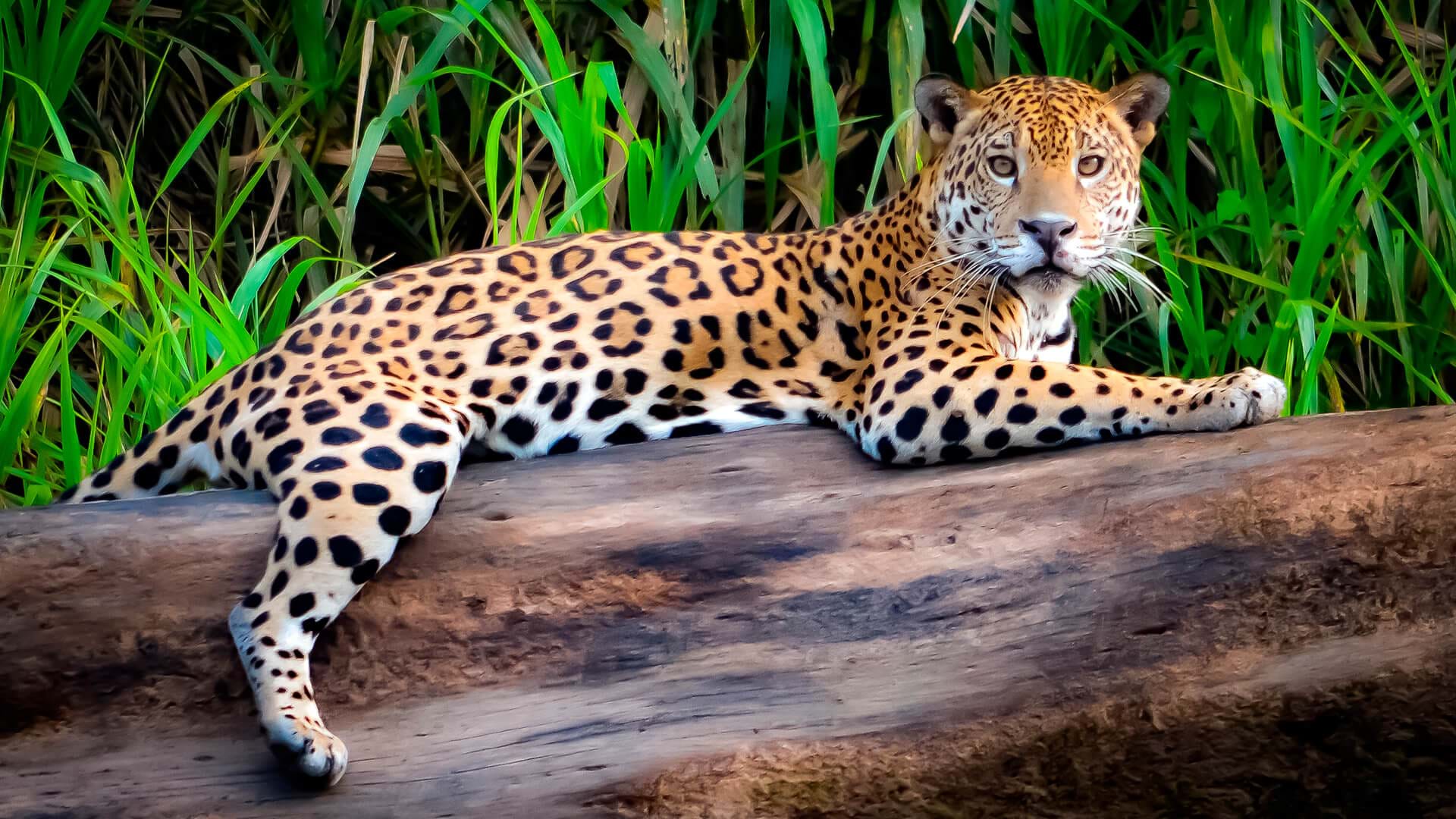
This feline was a terrestrial divine representation symbolizing strength, wisdom, and agility. In Incan iconography, it was believed that the puma influenced the morphology of the ancient city of Cusco, where Sacsayhuamán represented its head and the Coricancha, its tail. Today, this powerful animal can be spotted in places like Manu National Park in Madre de Dios and the Cochahuasi Animal Sanctuary in Cusco, offering visitors the opportunity to understand its cultural significance and contribute to its conservation.
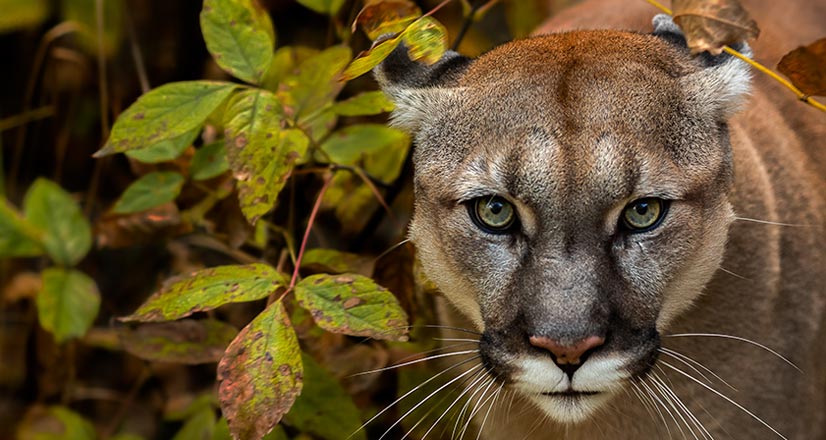
It represented strength, wisdom, and agility. Credit: Shutterstock.
The Serpent
Associated with the world of the dead, the serpent symbolized for the Inkas the transition from earthly life to another dimension. Represented in various artistic expressions of multiple pre-Columbian cultures, the serpent was considered a symbol of wisdom and connection to the Uku Pacha or the world of the dead. Representations of this animal were found on the walls of Yachaywasi (Houses of Knowledge), honoring its importance in the ancient Incan worldview.
In the present
These sacred animals continue to be essential in Peruvian culture. Nowadays, their representations and legacies are preserved in iconic places in the country, bringing visitors closer to the spiritual and cultural essence of the ancient Inca Empire. Understanding their historical significance and influence invites tourists to immerse themselves in the cultural and natural richness of Peru, where the connection between the past and the present intertwines in the majesty of these sacred animals.
Understanding the value that sacred animals held in, and for, the Inca Empire is fundamental to appreciate the spiritual and cultural wealth of Peruvian history. Those who visit Peru have the opportunity to deeply know this ancestral heritage, exploring the country's biodiversity and connecting with the beliefs that shaped the worldview of ancient civilizations. The legacy of these sacred animals remains alive and encourages appreciation and respect for the history, nature, and spirituality deeply rooted in Peruvian soil.
Follow us on social media
Facebook | Instagram | Twitter | TikTok | YouTube