
Written by:
peru.travel
Friday, November 20, 2020
In this Page
Imagine a pleasant walk in the middle of unique ecosystems, discovering species of animals and plants and observing dreamy landscapes. If you are a lover of ecotourism, Peru offers you the opportunity to live these and many more experiences through its national parks. Thanks to its great biodiversity, this country is a key destination for all kinds of adventures and activities in communion with nature.
Peru is home to 14 parks distributed throughout its territory. These are intended to preserve the different species of flora and fauna, to make known the history of the ancient civilizations that developed in the country and to provide privileged places for its visitors; always with respect and environmental awareness.
Now, we present 5 of these natural paradises for you to visit.
Cordillera Azul National Park
Located between the Huallaga and Ucayali rivers, at the confluence of the San Martín, Loreto, Ucayali and Huánuco regions, this place impresses with its great ecosystem spread like a green blanket between the Andes and the Amazon. It is considered one of the most biologically rich natural areas in the world and is home of multiple species of flora like lianas, orchids, bromeliads and ferns; and fauna such as otorongos, pumas, Andean bears, red deer and river otters.
The park is also home to native ethnic groups like the Cacataibo - Camano, Shipibos and Mushuck Llacta, who maintain their customs and traditions. Although tourism is regulated, there are places called buffer zones that offer beautiful attractions to visit, such as the 'Laguna del mundo perdido' ('Lagoon of the lost world'), the Manashahuemana hills, the macaw clay lick and the Cinco Puntos mountains.
The best time to visit the Cordillera Azul is during the dry season, between May and November. Generally, the climate is warm and humid, although in the higher altitude areas strong rains tend to be registered.
_637401075671281791.jpg)
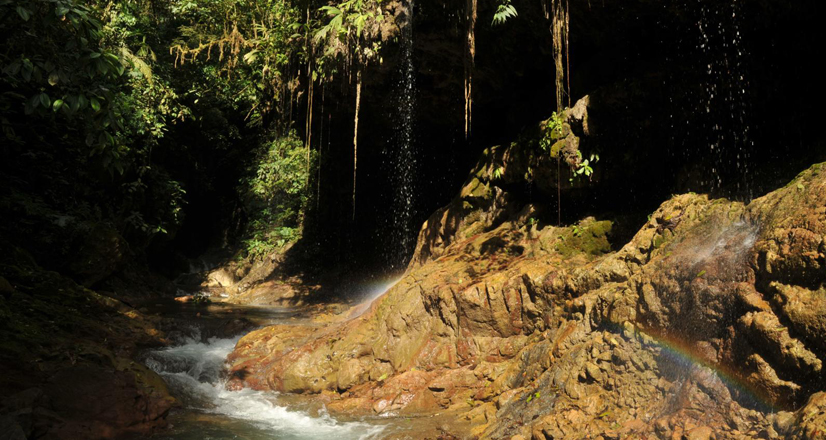
El Velo de la Novia Waterfall, located in the Cordillera Azul. Credit: Favio Ovalle / PromPerú.
Manu National Park
Recognized as the protected area with the greatest biological diversity in the world by UNESCO, Manu houses a huge number of species of birds and mammals, thanks to its special location that covers practically all the altitude floors. It is located in the heart of the Peruvian Amazon, between the departments of Cusco and Madre de Dios, and is one of the most visited national parks in Peru.
This wonderful place is also home to indigenous communities and ethnic groups which in the vast majority remain voluntarily isolated and have different levels of contact with the outside world. Among the species of fauna that you will find here are the black tiger and the gallito de las rocas.
To get there from Lima, you must first travel to Cusco and go to Paucartambo. From there, you can reach the buffer zone, where you can go trekking and bathe in the river.
Huascarán National Park
Located in the Ancash region, it is distinguished by its impressive snowy landscapes and forms one of the most beautiful natural places in Peru. For those who like adventure and extreme sports, Huascarán is ideal for trekking, climbing, skiing and mountain biking. If you prefer to enjoy beautiful views and live experiential tourism, you can visit the Chinancocha lagoon and the Pastoruri mountain, as well as share experiences with the communities that live in the area.
As if that were not enough, the park also houses important archaeological attractions like the pre-Inca temples of Chavín and Recuay. To get there, you must travel from Lima to the city of Huaraz - it is approximately 8 hours by bus-.
Yanachaga - Chemillén National Park
This park presents in a relatively small extension a great geographic variety. It goes from the Andean mountains to the beginning of the Amazonian plains, also called low jungle. This is why it is one of the protected natural areas that houses the greatest variety of ecosystems in the country and throughout the planet.
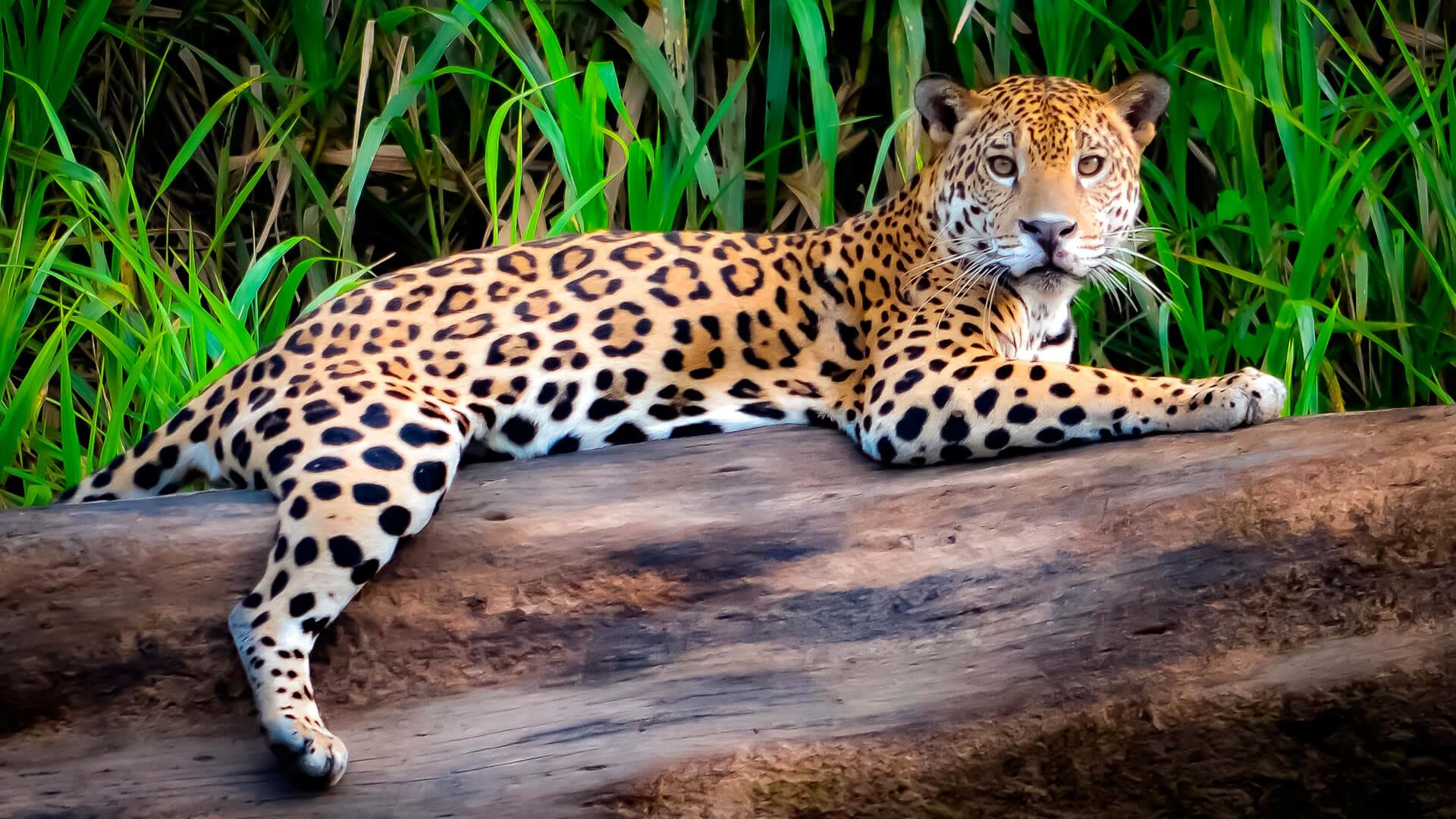
Located in the province of Oxapampa, in the Pasco region, this place registers about 500 species of birds and a hundred mammals, among them, the puma, the jaguar, the sachavaca, the dwarf deer (only 40 centimeters high) and the anteater. The flora is equally abundant, with more than 2000 species, including varieties of orchids, ferns and medicinal plants like cat's claw.
The Yanachaga - Chemillén National Park has enabled camping areas. The best season to visit it is between July and August, when the anniversaries of Oxapampa and Pozuzo are celebrated. To get there, you must first travel to Oxapampa -the trip from Lima lasts approximately 11 hours-. Once in this city, you can take buses to different areas of the park.
The Yanachaga - Chemillén National Park is located in the province of Oxapampa, in the Pasco region.
Credit: Walter Silvera / PromPerú.
Cerros de Amotape National Park
This national park together with the Tumbes National Reserve and The Angolo Hunting Ground, is part of the Northeast Biosphere Reserve. These three areas protect tropical and dry forest ecosystems, whose biological richness has been recognized by Unesco. Here, you will be able to contemplate impressive landscapes of the Tumbes River, where it is also possible to swim in its clear waters and enjoy its small waterfalls.
To get to this beautiful place, you must start the trip from Tumbes and take the Zorritos - Bocapán road. It is recommended to travel between April and October, during the dry season. Also from Tumbes you can go to the reserved area through the towns of Matapalo and Cotrina. The Angolo Hunting Ground has areas for camping. To get there, it is recommended to leave from Sullana. It is also advisable to visit it in the dry season, because access is very complicated in rainy weather.
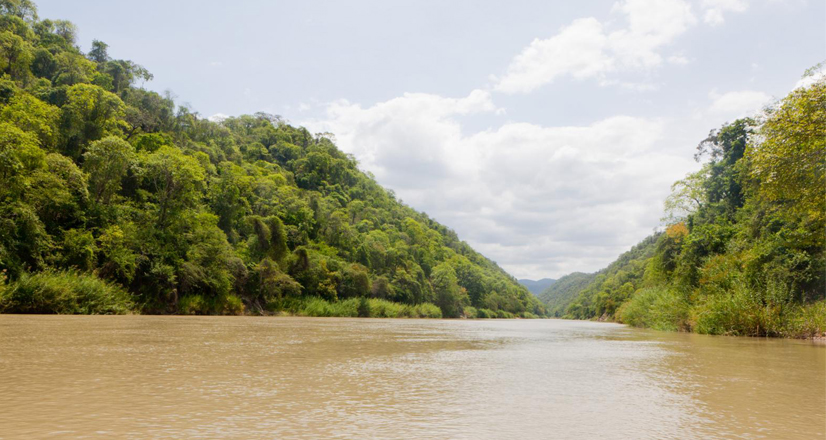
This national park is part of an ecological corridor of great importance, formed by the reserved area of Tumbes.
Credit: Gihan Tubbeh / PromPerú.
Sources: Redbus / RPP / Sernanp / Viajala / Turismo360 / Andina / Recorrido.pe
Follow us on social media
Facebook | Instagram | Twitter | TikTok | YouTube