
Written by:
peru.travel
Monday, October 12, 2020
In this Page
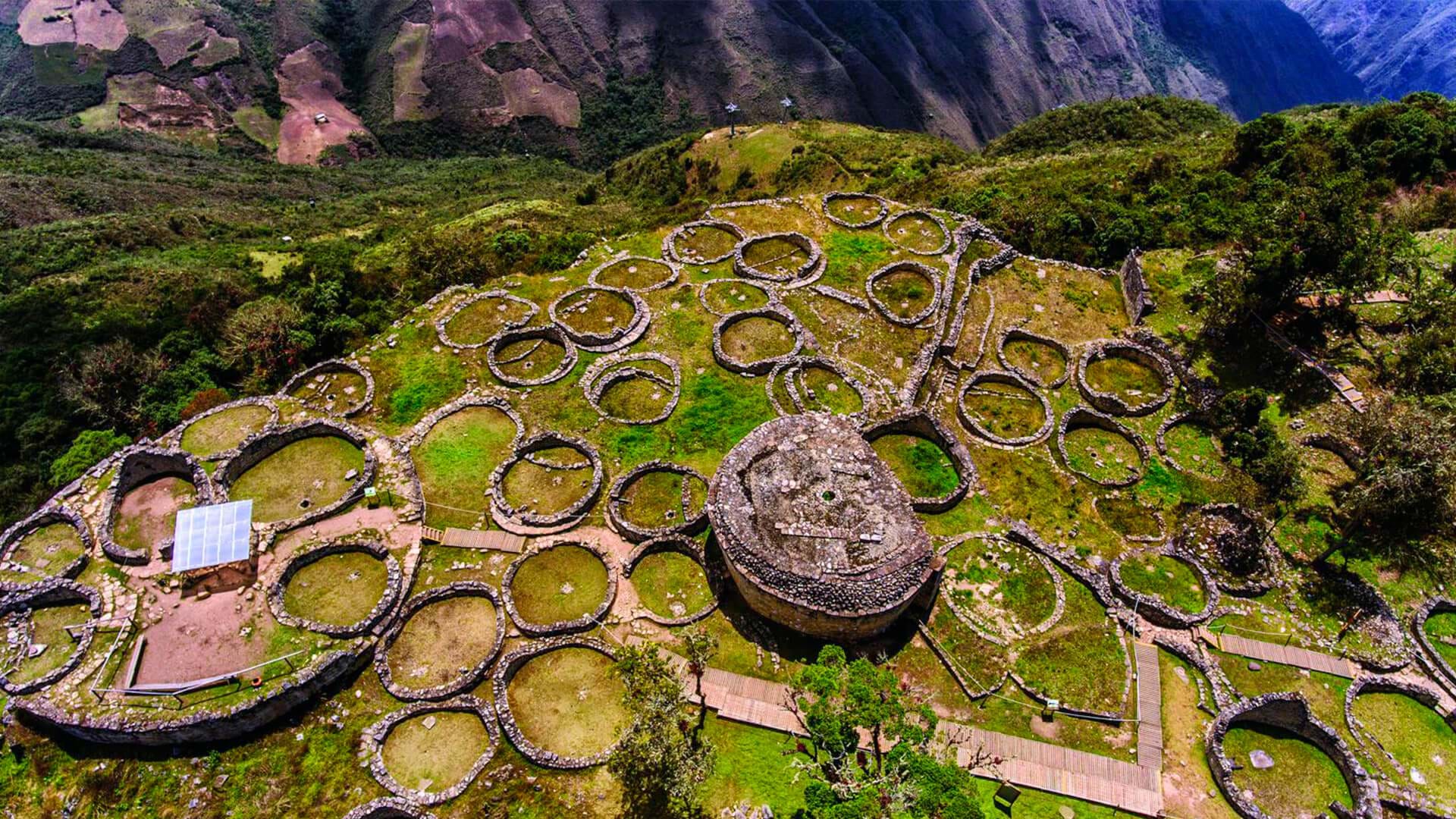
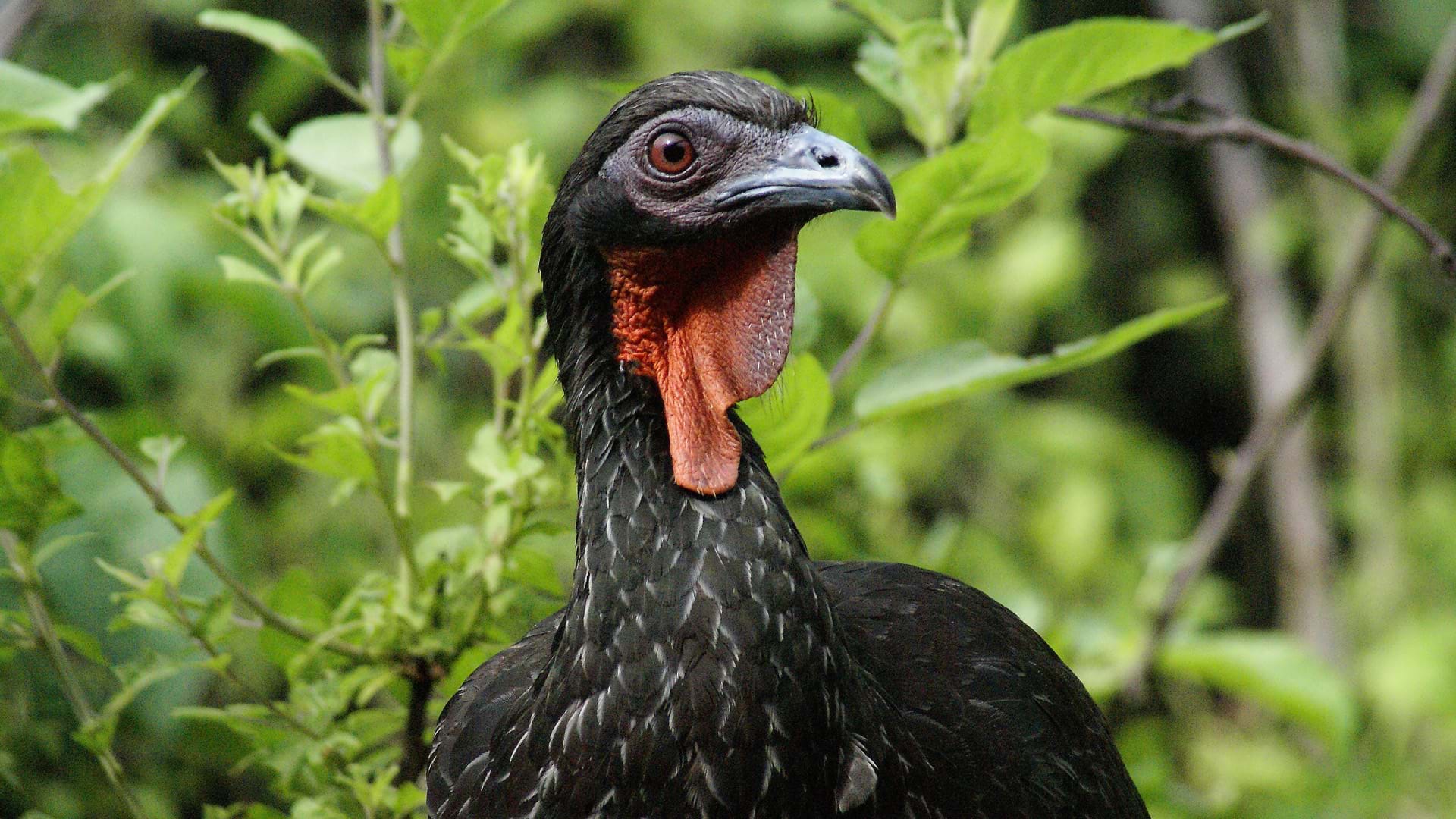
In the Lambayeque region we can find one of the greatest natural treasures of Peru. A wildlife refuge with more than 8000 hectares, that houses a large number of exotic species of flora and fauna. This place is also home to one of the most emblematic birds in the region: the white-winged guan, which was believed to be extinct for a long time.
Although Laquipampa is still a little known destination for tourists, it seeks to consolidate itself as one of the most important reserves in the country not only for all the ecological diversity it offers, but also for contributing to the preservation of the resources necessary for the lives of the endangered species that inhabit it. Do you want to know how to get there and what activities to do in this wildlife refuge? We will tell you right away.
Four routes to explore
In Laquipampa you can go on walks and observe all the ecological biodiversity through various routes such as the Quebrada Shambo route, also called the route of the brown turkey, which has a wonderful waterfall in the middle of the forest. The tour takes between two to three hours in which you can see all kinds of species including mammals, reptiles, birds and plants. This is the ideal place to capture beautiful landscape photos.
The Reloj Trail, which takes about an hour and a half to walk, is a great point for observing birds such as the white-winged guan and species such as the spectacled bear. On the other hand, you can also visit the Lajas waterfalls -3 km from the town-, made up of three cataracts more than 5 meters high. These form small natural pools in which visitors can enjoy their warm temperatures.
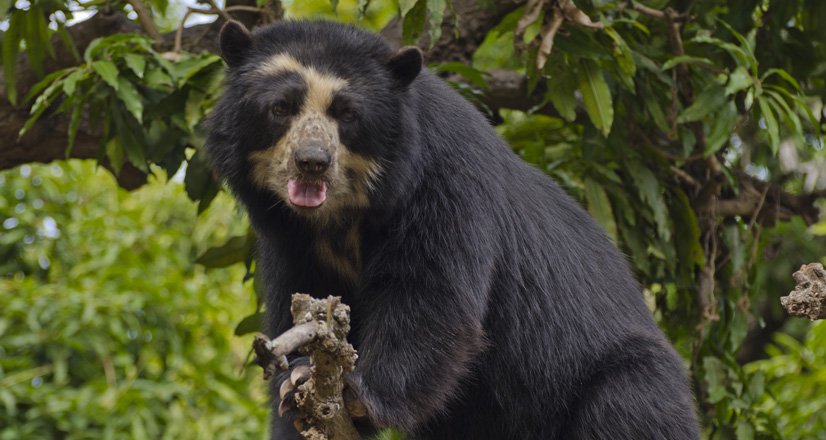
Laquipampa seeks to consolidate itself as one of the most important reserves in the country.
Credit: Mylene D'Auriol / PromPerú.
Finally, on the Quebrada Negrahuasi route, located in the southern area of the refuge, you will discover impressive rock formations that create flagstone platforms and pools of water, where visitors can rest and admire the beauty of the landscape. In this place, we recommend that you camp -with prior authorization- to be able to listen and observe the white-winged guan birds very early.
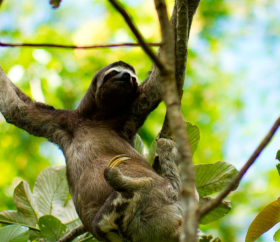
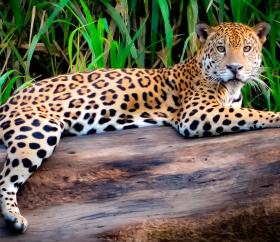
There are other birds in the area that you can also discover and contemplate, such as the bearded guan, the Andean condor, the peregrine falcon and the red parrot. It also highlights the presence of mammals such as the puma concolor, the pajonal cat, the Sechura fox, the white-tailed deer and the anteater. Within the reptiles and amphibians, we can see chameleons, frogs, iguanas, boas macanche, among others. Among the main species of flora are the palo santo, the pumpkin, the hualtaco, the higueron and the cherry tree.
Getting there
You must travel from Lima to the city of Chiclayo (12 hours by bus or 1 hour and 30 minutes by plane). From there, you can travel by private transport along the way to Ferreñafe and Pítipo, which reaches Batán Grande by an asphalt road. Then, continue along the northwest route towards the Incahuasi district, passing through the villages of Motupillo, Mayascán and The Algarrobito, to finally enter the San Antonio de Laquipampa Community, where the refuge offices are located.
If you want to go by public transport, you must first go to Ferreñafe. To do this, you can take a bus -they depart from Sáenz Peña avenue-, a minibus or a taxi. Once in this city, you must go to the Pasamayo land terminal where minibuses depart for Laquipampa. The trip lasts three hours.
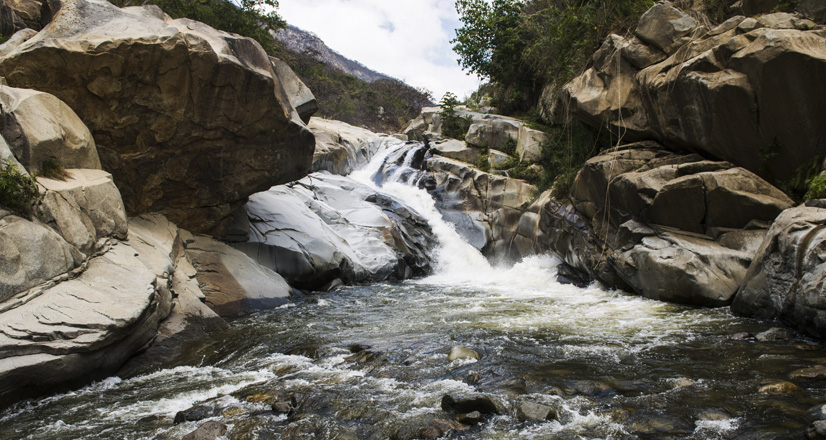
To get to the refuge, you must travel from Lima to the city of Chiclayo (12 hours by bus and 1 hour 30 minutes by plane).
Credit: Ernesto Benavides / PromPerú.
If you plan to stay the night, the place has two accommodations: Casa de la Sera Lucía Mesones and Ms. Roxana Durand, with a price per person of S/ 75 and S/ 25, respectively. It is advisable to bring water and food such as fruits or nuts, as well as appropriate clothing and footwear, sunscreen, insect repellent, sunglasses, warm clothing for the afternoon and a raincoat for possible rains.
Sources: Sernanp / Denomades / Peruinforma
Follow us on social media
Facebook | Instagram | Twitter | TikTok | YouTube