

Written by:
peru.travel
Friday, June 19, 2020
In this Page
Peru is a country that contains many things: from beautiful landscapes - full of culture and biodiversity - to stews that make the world fall in love with their delicious flavor. Among these wonders is pisco: the drink flag of Peru.
Admired and awarded around the world for its exquisite flavor and aroma, pisco contains a lot of history and tradition. And if you want to know a little more about this drink that is hundreds of years old, next we mention some curious facts about this grape distillate.
1. How it all started?
Before there was pisco, there was wine and it began to be prepared thanks to the arrival of the Spanish people who brought the grape to the South American country. It is in 1528 when, for the first time, mention of wine is made. This occurs during the second trip of Francisco Pizarro, who receives the visit of a "truly aristocratic man of bearing", to whom the conqueror presented wine prepared in these lands, "a drink that showed to please him".
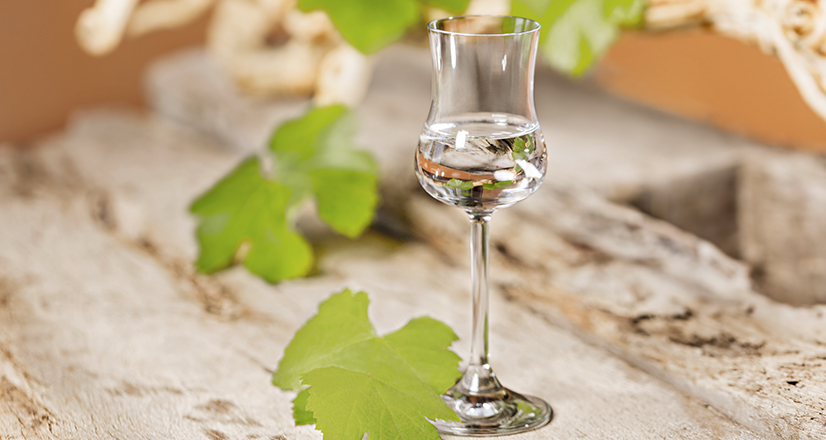
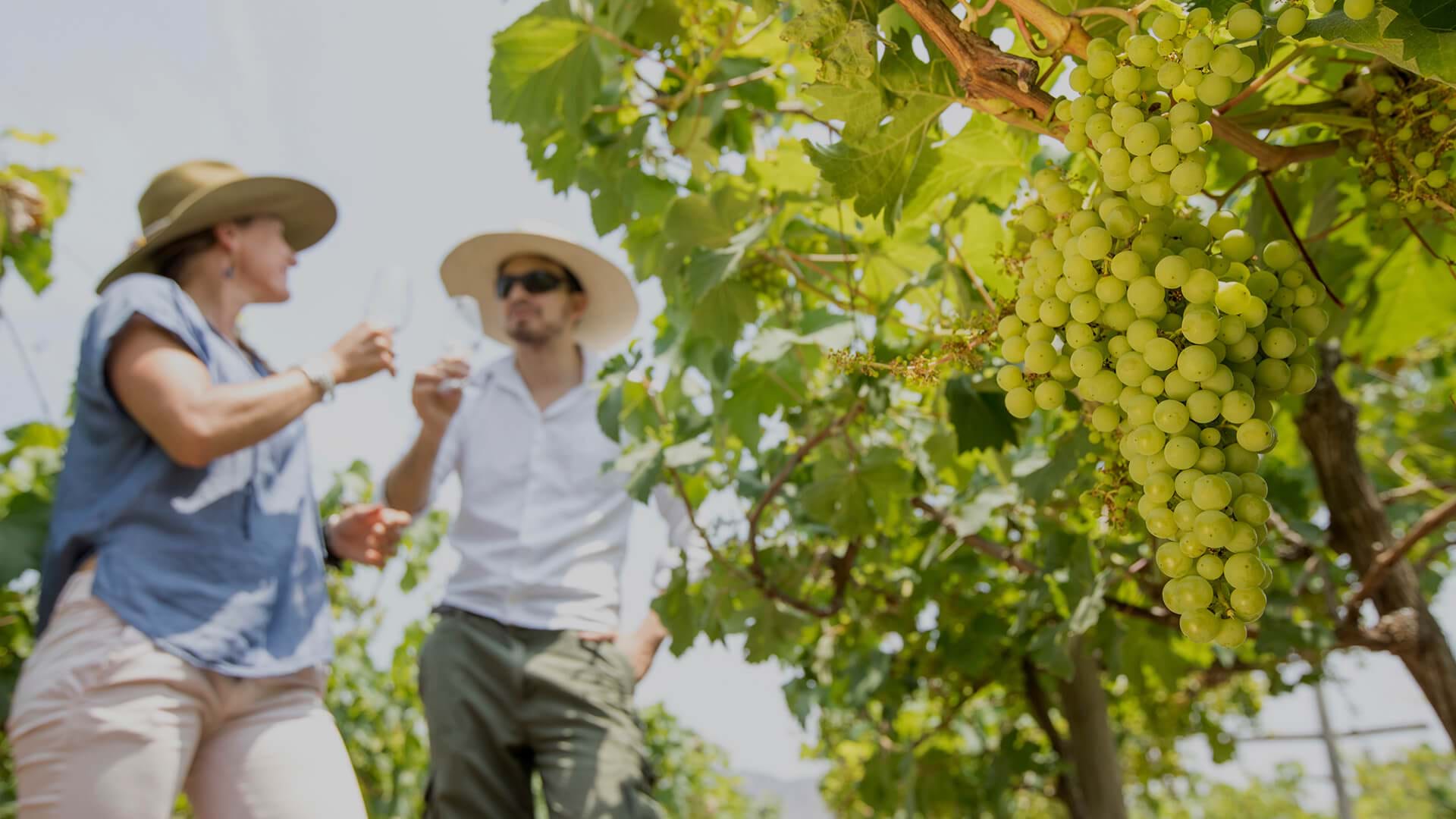
Pisco is considered one of Peru's flagship beverages. Credit: Musuk Nolte / PromPerú.
The wine that was produced in Peru was so good that it began to be exported to Iberian lands and residents in Spain did not take the news so well, that is why Felipe II arranged a restriction on the output of this drink, which is accepted in 1613. Given this, the coastal producers managed and intensified the production of pisco.
2. Origin of the name
The name of the distillate is related to the place where the grapes were originally cultivated: Pisco, a city located in Ica in southern of Peru. A book that explains quite well the relationship that pisco has with Ica is History of the New World, in which Father Bernabé Cobo is mentioned, who lived in Pisco around 1625 and told how the inhabitants took advantage of all the products of the vine: “all the utilities that result from this plant, that is to say, from gifted fruit, from the raisins that are made very good of the mollar grape, of syrup, brandy, vinegar and especially of great copy of wine”.
3. Only in Peru
A group of engineers, agronomists and geologists carried out an investigation in which they demonstrated that only in Peru can pisco be produced. On what did they base this confirmation? Well, only in this South American country there are perfect rocks, sediments, relief and soil for the birth of this distillate.
With the name Pisco geology, this research added that the soils of the Ica valley have a vocation for growing grapes. This, thanks, among other things, to its microclimate, absence of rains, and a great thermal amplitude, favored by night winds that descend from the mountains and which, in addition, "does not exist anywhere else on the planet".
4. Distilled yes, brandy no
This clarification is important. In Peru distillates and not brandy are produced. The latter is a mixture of residual sugars and the degree of rectified alcohol; while the first one does not undergo any other input.
5. In the Guinness World Records
In April 2019, pisco entered the Guinness Book of Records. This thanks to the fact that a tasting of 899 people was achieved in the city of Ica. The participants tasted at the same time and consecutively three varieties of pisco: quebranta, italia and torontel.
6. Types of pisco
For the creation of this distillate, the so-called pisco grapes are used, which are classified into two main groups: non-aromatic- quebranta, mollar, negra criolla and uvina-, and aromatic -italia, moscatel, torontel and albilla-. These varieties are those that generate the following 3 types of pisco:
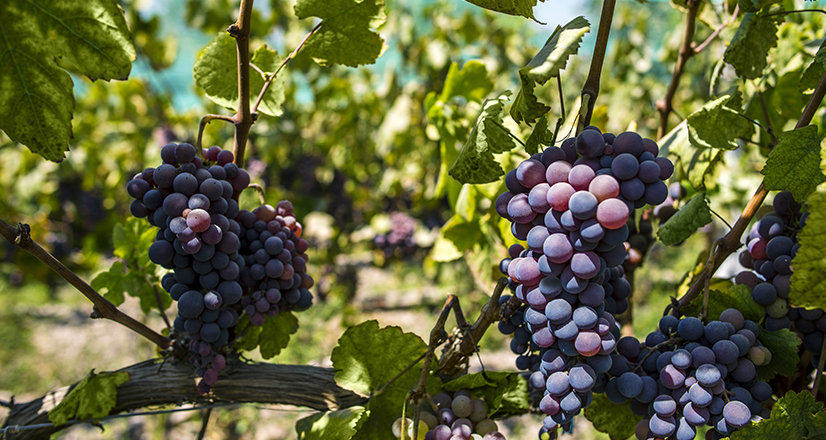
Harvest ready to become Pisco. Credit: Raul Garcia Pereira / PromPerú.
Pure: obtained from a single distillation of fresh must which is completely fermented and comes exclusively from a single variety of pisco grape.
Green Must: obtained from a single distillation of fresh must from incompletely fermented pisco grapes.
Pisco acholado: obtained from a mixture of pisco grapes, as well as fresh musts from pisco grapes which are completely fermented or incompletely fermented.
7. Cultural Heritage of Peru
In 1988, the National Institute of Culture (today the Ministry of Culture) recognized pisco as Cultural Heritage of the Peru after carrying out a study on the Peruvian roots of this distillate that date back to the 16th century.
Sources: Perú Info / CNN Español
Follow us on social media
Facebook | Instagram | Twitter | YouTube