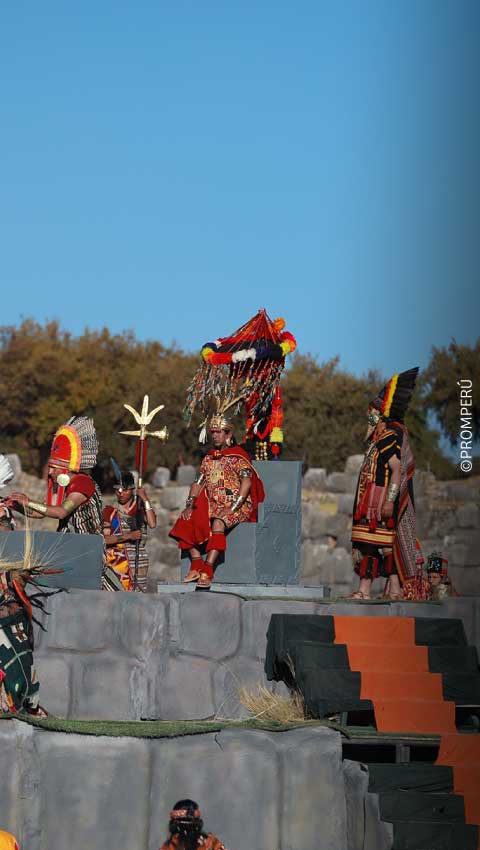
Offering to the Sun every June 21st.
For the inhabitants of the shores of the Titicaca Lake, June 21, the day of the winter solstice, ends the harvest time or agricultural production cycle to enter into the time of rest of the earth, to fertilize it again in the new life cycle that will begin in the month of August, precise time to celebrate the end and restart of the new time of life of the Pachamama, known today as the advent of the "Pacha Kuti" or "Andean New Year".
It is an opportune time for the authorities, together with the citizens, to celebrate rituals of gratitude to the Pachamama for the fruits received from its depths, which will guarantee the life of all living beings.
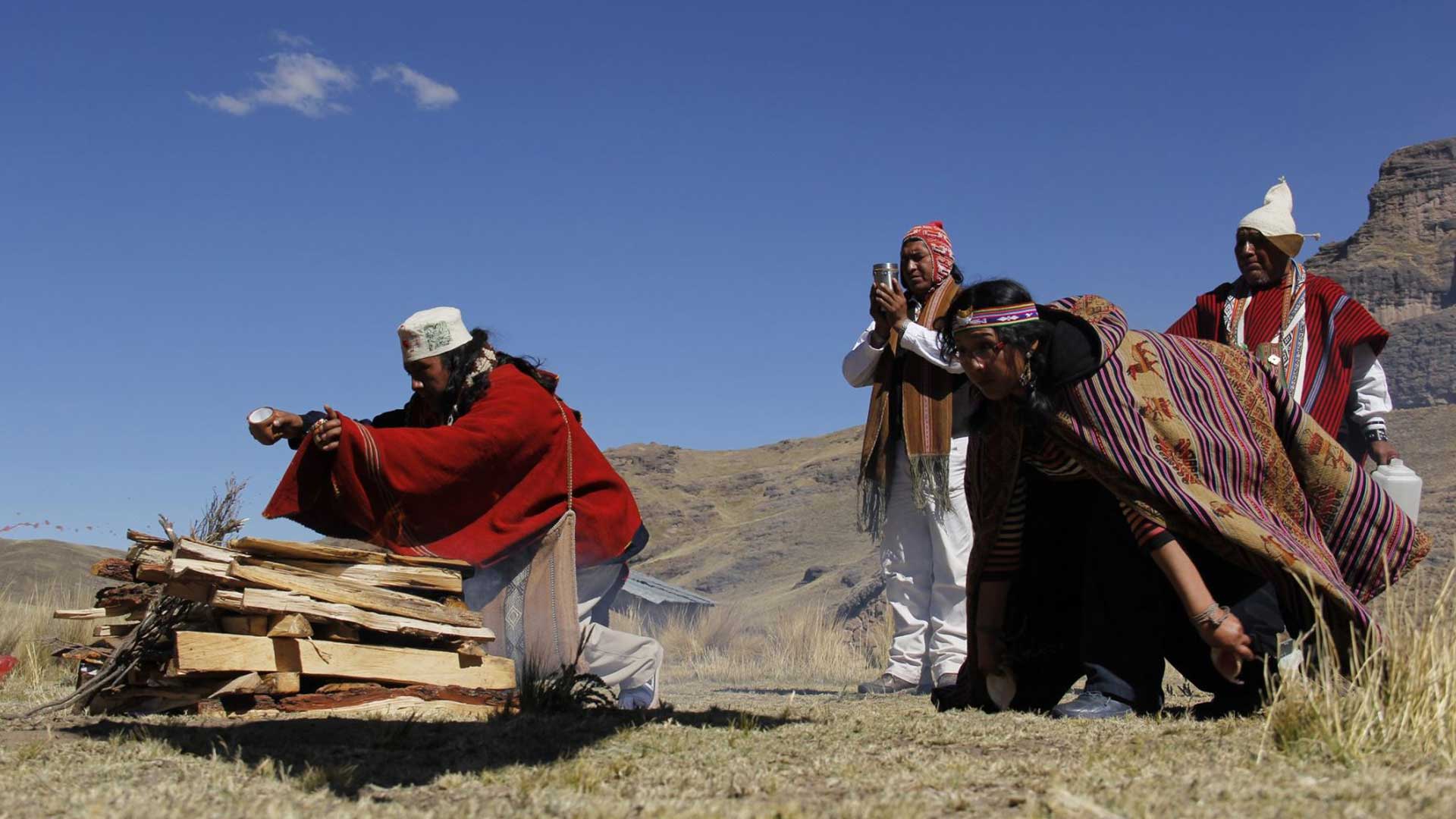
This event, especially in the cities of Puno and Yunguyo, is prepared with many days of anticipation, which begins the night of June 20 with the lighting of a ritual bonfire that begins the vigil of the Milky Way known by the villagers as the "Warawarani Jahuira" (River of the Stars), in which the yatiris will decipher the designs of the fertilizing gods for the next life cycle, an event that takes place with the presence of sicuris and population, waiting for the birth of the new sun.
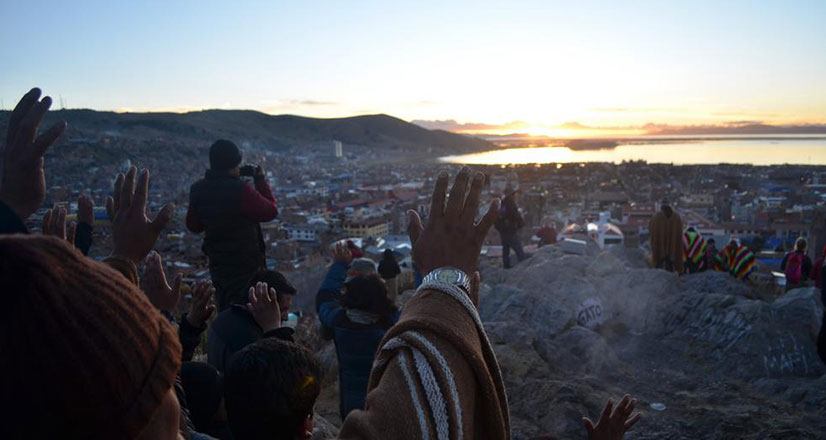
Andean New Year. Photo: Carlos Fernández / El Comercio.
The Pacha Kuti celebration
The main ceremony begins on the central day, June 21, on the Huajsapata hill and the participation of several groups, starting with the ritual of welcoming the Qh'antati Ururi (dawn star) praying that it does not get exhausted of guiding the path of the sun father to then, with the first rays of dawn, offer to the fertilizing gods of the Pachamama, in order to rest and renew the strength for the next time of life, the year that begins shall be prosperous and reign harmony and solidarity in the community. At the end of the rituals, the father of the community, represented by the mayor of the city, offers a wara (buffet) with all the fruits received from the depths of the earth.
After this, a procession begins the pilgrimage to the city of Yunguyo, to perform the farewell rituals at noon or tie the time that ends and receive or unleash the new time that begins, with their own offerings and providing magical-religious dances. which represent the constant dialogue between man and nature.
The inhabitants of the shores of the Titicaca, during these lavish ceremonies, symbolically ask their mother earth for renewal and reciprocity, because for them the Pachamama is to this day the most important deity of their worldview.
Source: José Morales Serruto / Native Association Puno.
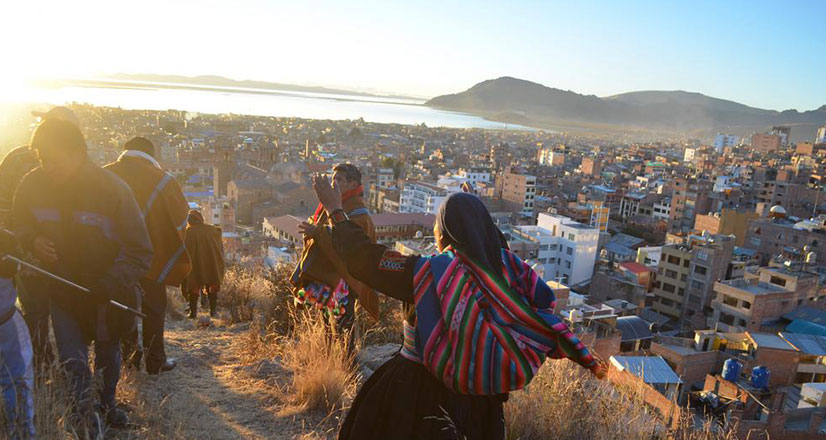
Andean New Year. Photo: Carlos Fernández / El Comercio.
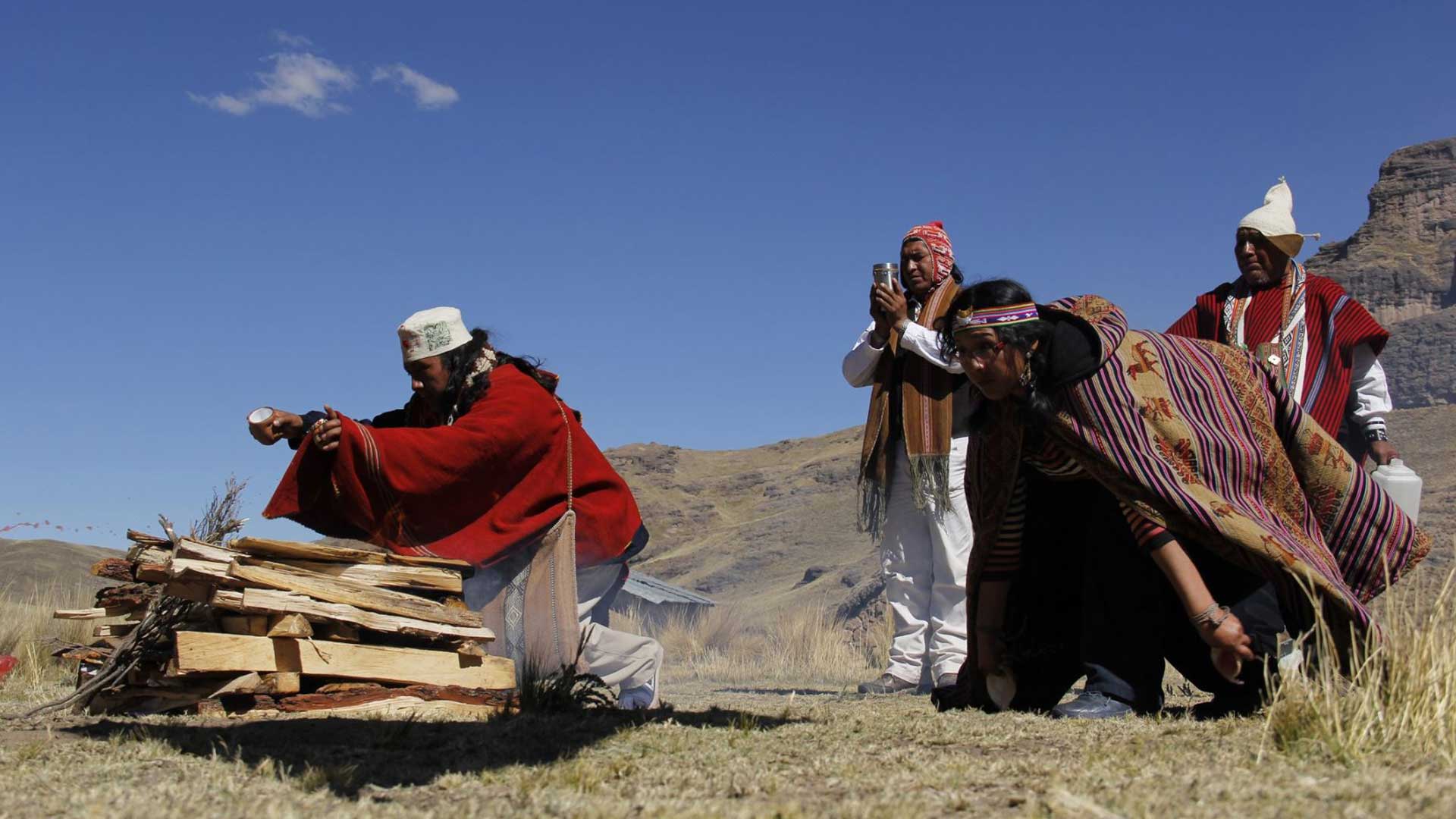 Photo: Andina.pe
Recommendations
- Taste the delicious local gastronomy.
- Take the opportunity to go sightseeing in the surrounding areas.

General information
Indispensable:
Comfortable clothes for walking, clothes for the cold, hat, sun block, cash, water, pill for altitude sickness.
Altitude
3827 m.a.s.l.