
Carnival of Catacaos
In the picturesque town of Catacaos, in Piura, located in northern Peru, one of the most vibrant and colorful events in the country takes place: the Carnival of Catacaos. A festival full of vitality and color that has become one of the most outstanding festivities in the country.
This festival, which attracts locals and tourists alike, is a celebration that combines tradition, competition and fun in a unique cocktail that leaves an indelible mark in the memory of those who have the privilege of experiencing it.
The Manguerazo
The festivity begins in spectacular fashion with the traditional manguerazo, an intrepid gesture by the brave members of the Fire Department, who throw jets of water at the enthusiastic public gathered in the lively Plaza de Armas.
This act symbolizes the beginning of many vibrant events that bring the carnival to life, including the participation of colorful parade floats, marching bands and captivating dances that fill the atmosphere with joy and celebration.
A vibrant competition
In Catacaos, carnival goes beyond mere folkloric traditions; it resembles the vibrant celebrations of Rio de Janeiro, Brazil, where parades are accompanied by samba rhythms. The city is home to several associations or flags that compete to stand out in this unique celebration and do not skimp on enjoying the games and the camaraderie that characterize the Carnival of Catacaos.
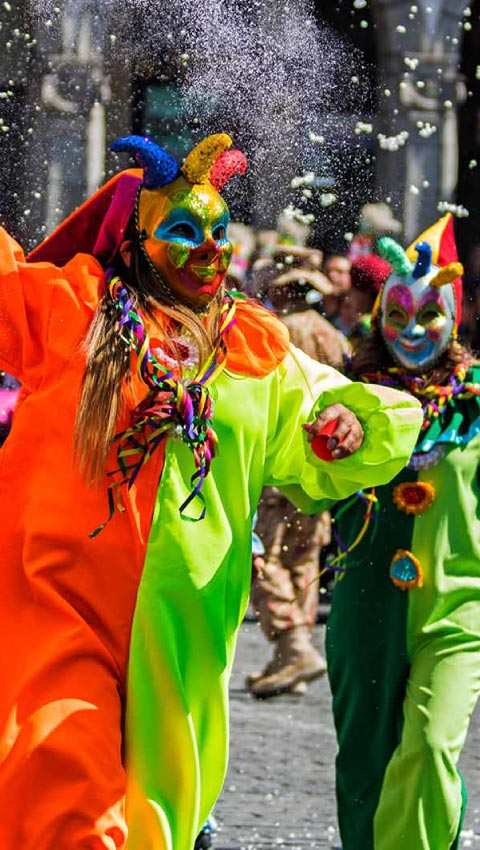
One of the highlights is the election of 'Miss Carnival', a young woman who becomes the ambassador of the joy and beauty of the region. She is the one who starts the games, where the streets become a canvas of colors and laughter, while the participants have fun with water, talcum powder, ointment and paint. A display of fun that reflects the energy and spontaneity of this festivity.
After the crowning of the 'Miss Carnival' in the Pirilo Gomez Coliseum, the real party begins with a contest of typical dances and choreographies of Peru. Each flag has the opportunity to present its unique interpretation of how carnivals should be celebrated, scoring points in front of an enthusiastic jury. The music sounds as locals and tourists immerse themselves in the collective joy, regardless of their origin.
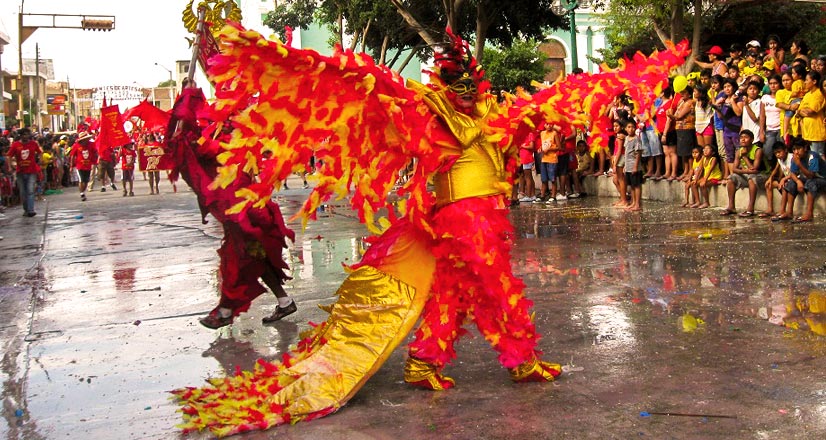
Festivity full of vitality and color. Credit: Municipality of Catacaos.
Parade and yunza
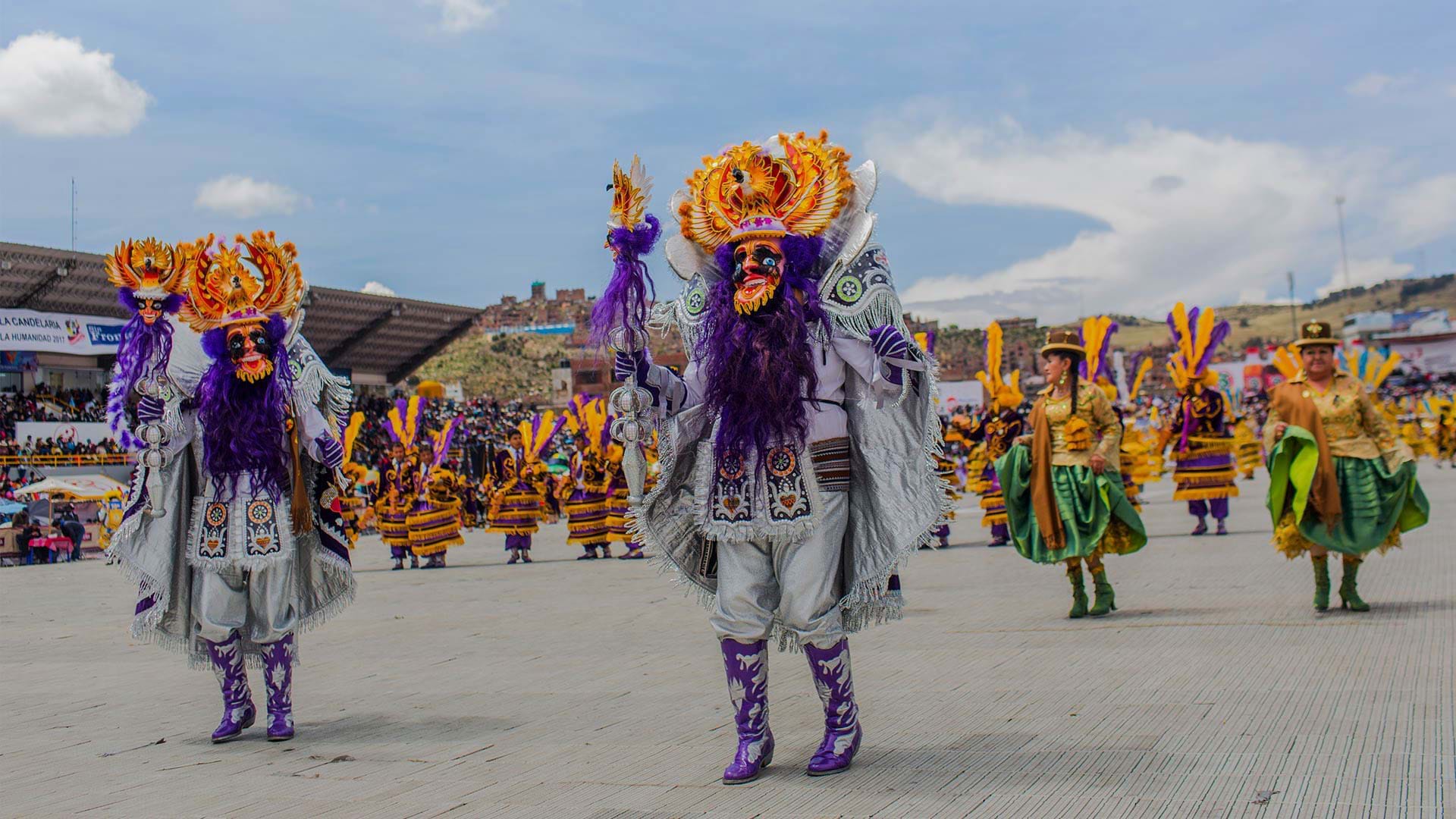
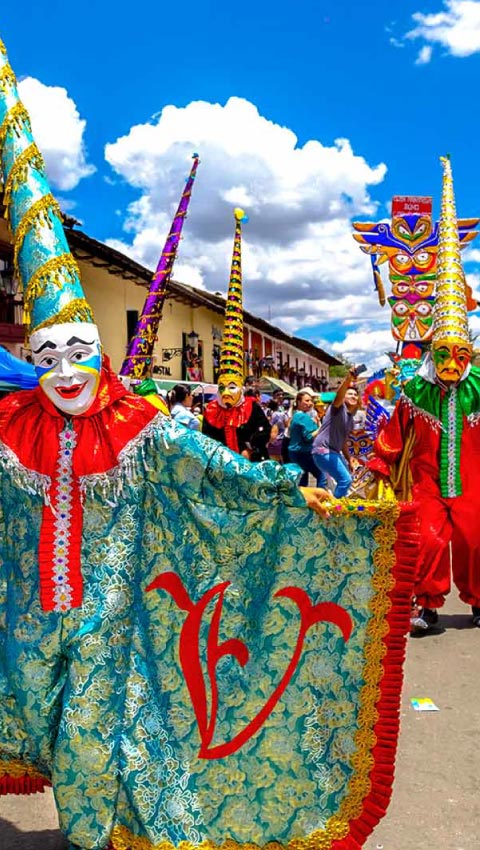
After three days of games and fun, the climax comes with the majestic parade that runs along the main avenue Cayetano Heredia. The floats, with themes as diverse as the imagination allows, parade through the city, displaying creativity and artistic skill. The only requirement is that the design has not previously participated in another presentation, thus guaranteeing the freshness and originality of the parade.
However, a carnival in Peru would not be complete without the traditional 'yunza'. In Catacaos, a meticulous ritual that includes the careful assembly of a tree decorated with gifts and goodies precedes this celebration. This tree is brought down among dancing, singing and an abundance of food, marking the exciting climax of an intense and colorful celebration.
Gastronomy
In the midst of the days of celebration, gastronomy plays a crucial role. For visitors, who come from all over the world, it is a unique opportunity to delight in the authentic flavors of the region. The gastronomic fairs offer a variety of typical dishes such as seco de cabrito, seco de chabelo, malarrabia, copús (a kind of Pachamanca), chicha de jora, among others. Food thus becomes an integral part of the experience, allowing visitors to explore and enjoy the rich local culinary tradition.
Finally, the Carnival of Catacaos stands as a unique spectacle that combines tradition, competition and joy in a scenario full of colors and contagious rhythms. From the initial manguerazo to the triumphant fall of the yunza, this celebration represents the vibrant and communitarian essence of Catacaos, leaving all participants immersed in an unforgettable experience of celebration and celebration.
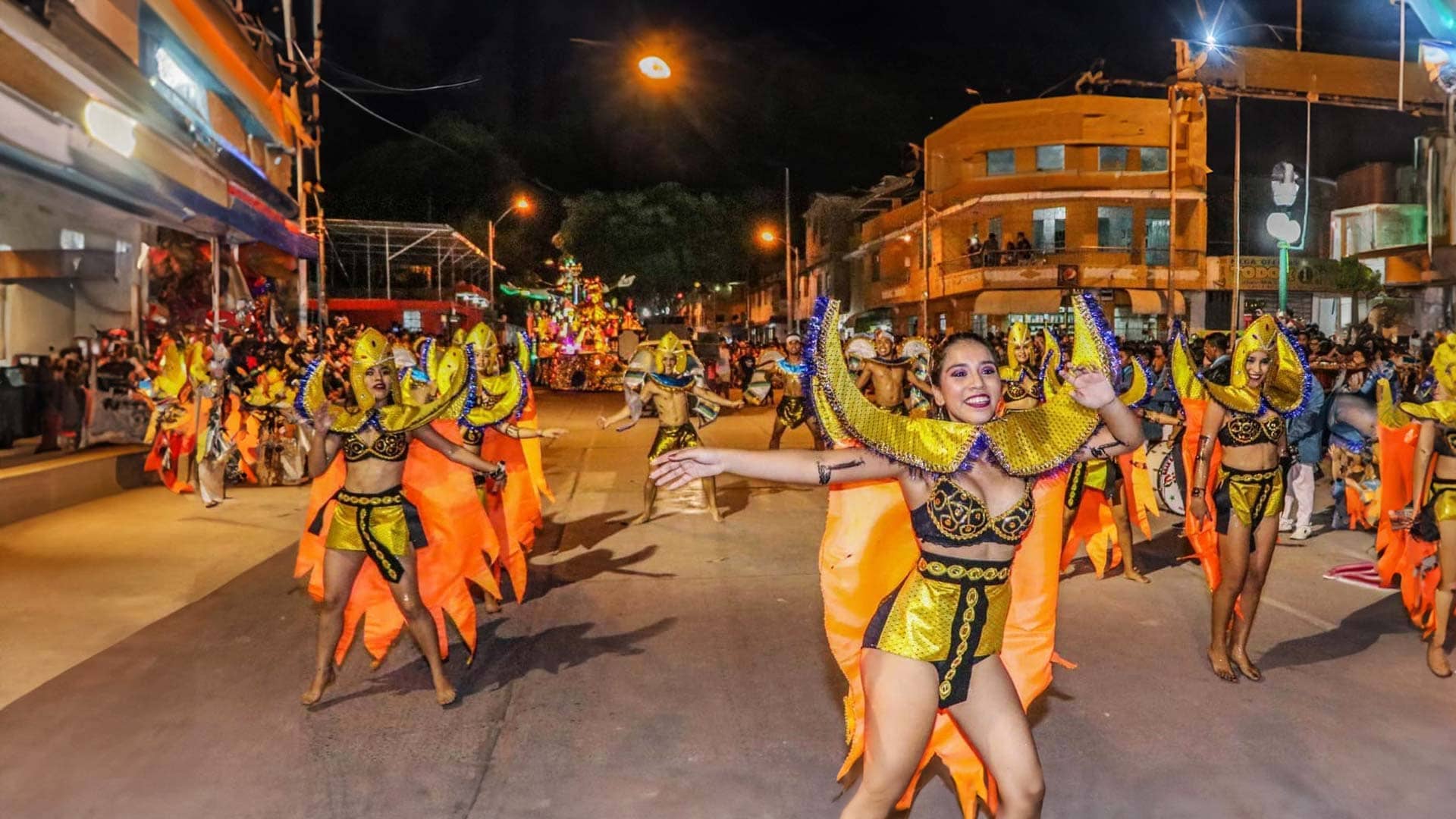 Credit: El Regional Piura
Recommendations:
- Visit Calle Comercio, where you will find the main businesses of artisans who are experts in silver and gold filigree; weavings of toquilla straw hats and basketry works.
- Try typical food such as cebiche, seco de chabelo or chicha de jora.