‘De rompe y raja’: this is how the Creole Song Day is celebr
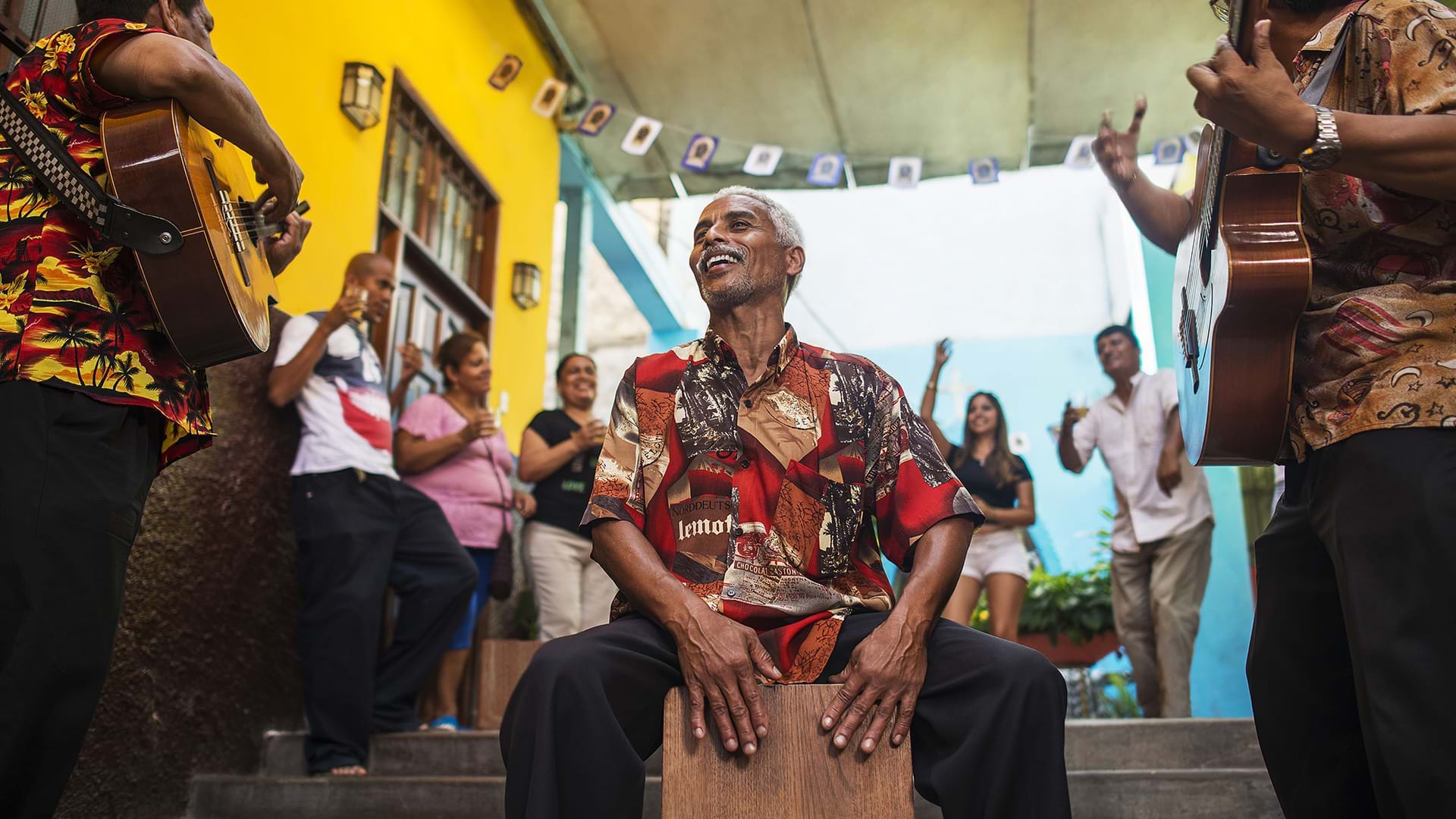
Music has always been a stamp that marks the cultural identity of a nation. For this reason, attending a peña criolla in Peru is not only equivalent to taking a short trip through its history, but it is also a source of pride for its roots. So in addition to the National Holidays, the Creole Song Day is, perhaps, the most peruvian among the festivals celebrated in this south american country.
And it is celebrated to the rhythm of waltzes and in the smell of mistura, every October 31. On this date, Peruvians go to the peñas or organize at home to celebrate by dancing a polka, a marinera or a tondero, with pisco and handkerchief in hand, with gallantry that distinguishes the coastal dancer. This heritage, so representative of the culture of Peru, is also practiced in schools and universities and is transmitted from generation to generation.
Credit: Sandro Aguilar / PromPerú
The beginning
According to some historians, Creole music has its beginnings in the zamacueca and in other Afro-Peruvian genres. Others affirm that it was born as a product of the assimilation of the Viennese waltz, very popular in Peru in the mid-19th century. The truth is that, at that time, the Creole waltz was already very popular, developing thanks to the contribution of other rhythms such as polka and black music.
In the 20's, foreign genres such as rancheras and tango made their way very quickly in Peru. However, Creole music, with its songs as nostalgic as beloved - with evocations of the past - never stopped playing at every jarana or family gathering. Thus, figures such as Felipe Pinglo -compositor and one of the greatest references of the genre- emerged and the peñas were born as places dedicated to the dissemination of this genre.
An evolving genre
Around 1950, the Creole waltz gained a place of preference in Lima parties and celebrations. To the impulse of the radio, the record labels and in face of the resurgence of Peruvian soccer, the music industry of the Creole genre advanced significantly. Nobody forgets the Fiesta Criolla ensemble, with Óscar Avilés on guitar, Los embajadores criollos or Los Dávalos from Arequipa.
Great composers like Chabuca Granda, Augusto Polo Campos and Alicia Maguiña began to stand out. Songs like Muñeca rota by Serafina Quinteras, and Todos vuelven, by César Miró, turned the peñas in Lima back and a half. Performers such as Lucha Reyes, Cecilia Bracamonte, Lucía de la Cruz, Arturo "Zambo" Cavero, Susana Baca and Eva Ayllón emerged. Names that sound until today and that are part, thanks to their legacy, of the musical history of Peru.
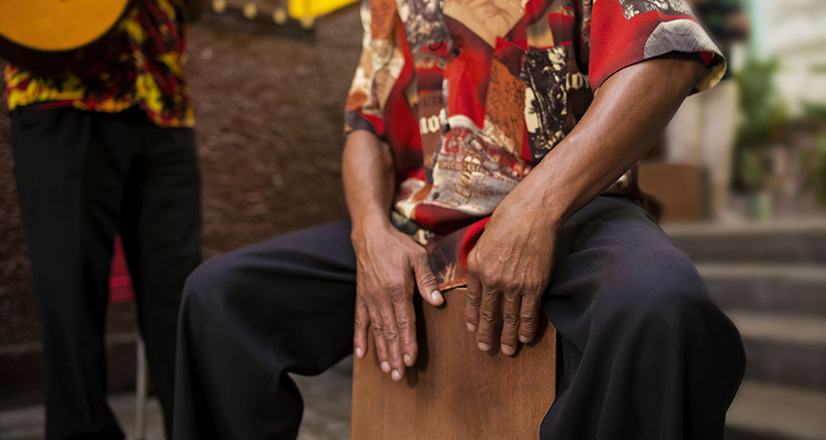
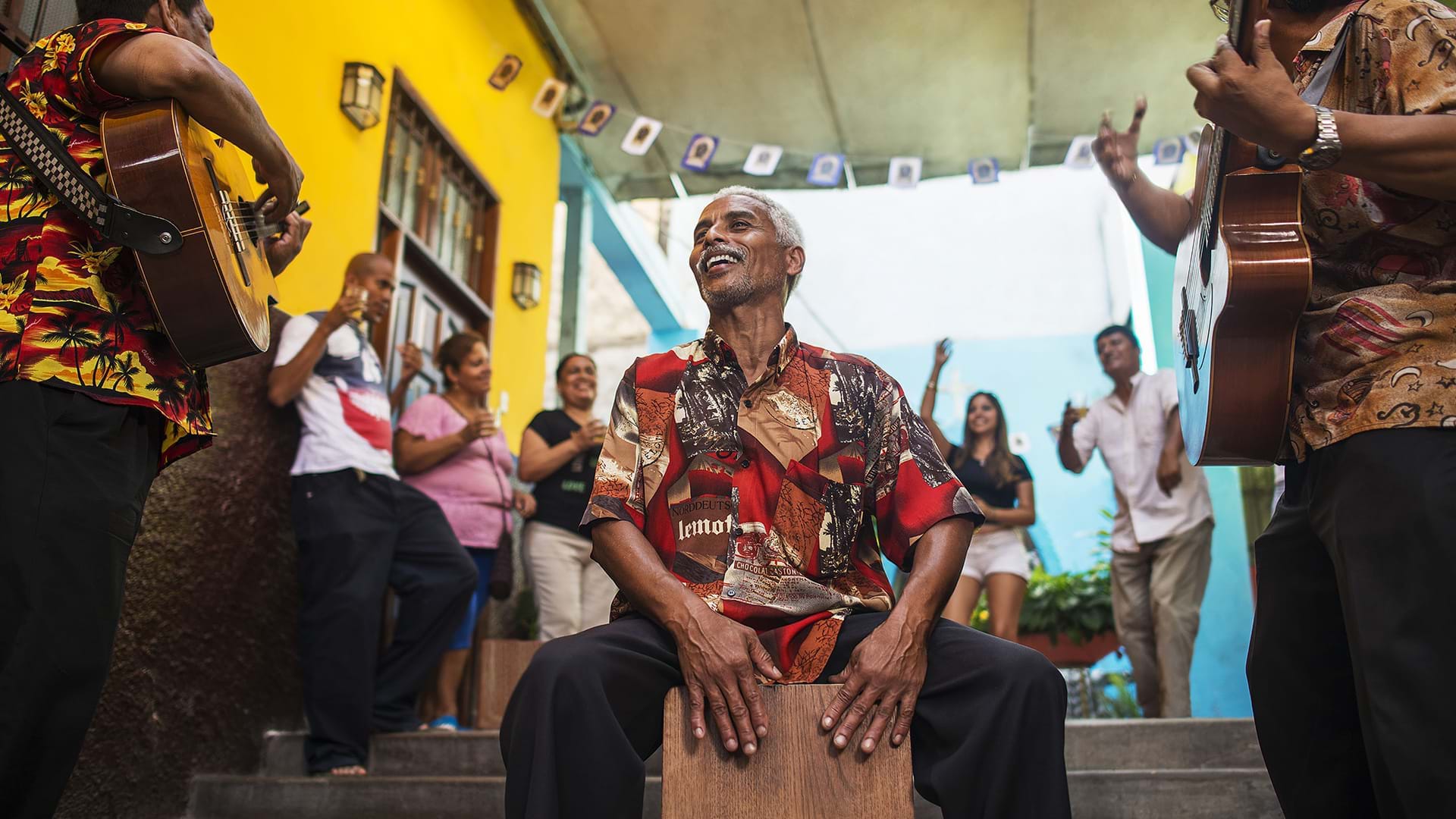 Credit: Sandro Aguilar / PromPerú
How to get to Lima Center?
Ruta 1
Airport - Lima Center
30 min approximately
Recommendations:
- Go with friends, it's more fun and safe.- Hire an application taxi for after the celebration.
General information
Indispensable:
comfortable clothes for dancing, cash, credit cards, camera and video.Fecha:
31 de octubreAltitude:
161 maslWeather:
Max. 20 ° C / Min 15 ° C