
International Animal Rights Day
Since 1998, International Animal Rights Day is celebrated every December 10th. This initiative aims to raise awareness about the limits on how animals are treated and it encourages reflection on the existence of animals as beings with consciousness and the ability to feel. This date coincides with the 50th anniversary celebration of the Universal Declaration of Human Rights.
Thus, considering that animals also have rights, the United Nations Educational, Scientific and Cultural Organization (UNESCO) created a manual containing 14 articles related to the fundamental rights of non-human species.
In these articles, activities such as feeding, walking, or taking them to the veterinarian are not considered. Instead, the focus is on topics like life, respect, freedom -especially for wild animal species-, avoiding subjecting them to situations that cause them pain, expose them to danger or cruelty, as well as not treating them as if they were property or objects, among other issues.
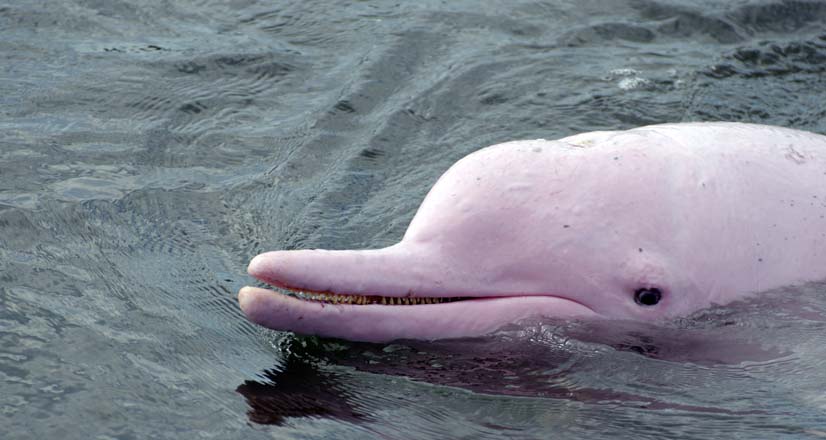
Pink Dolphin in the Peruvian Amazon. Credit: Shutterstock.
Animals that Inhabit Peru
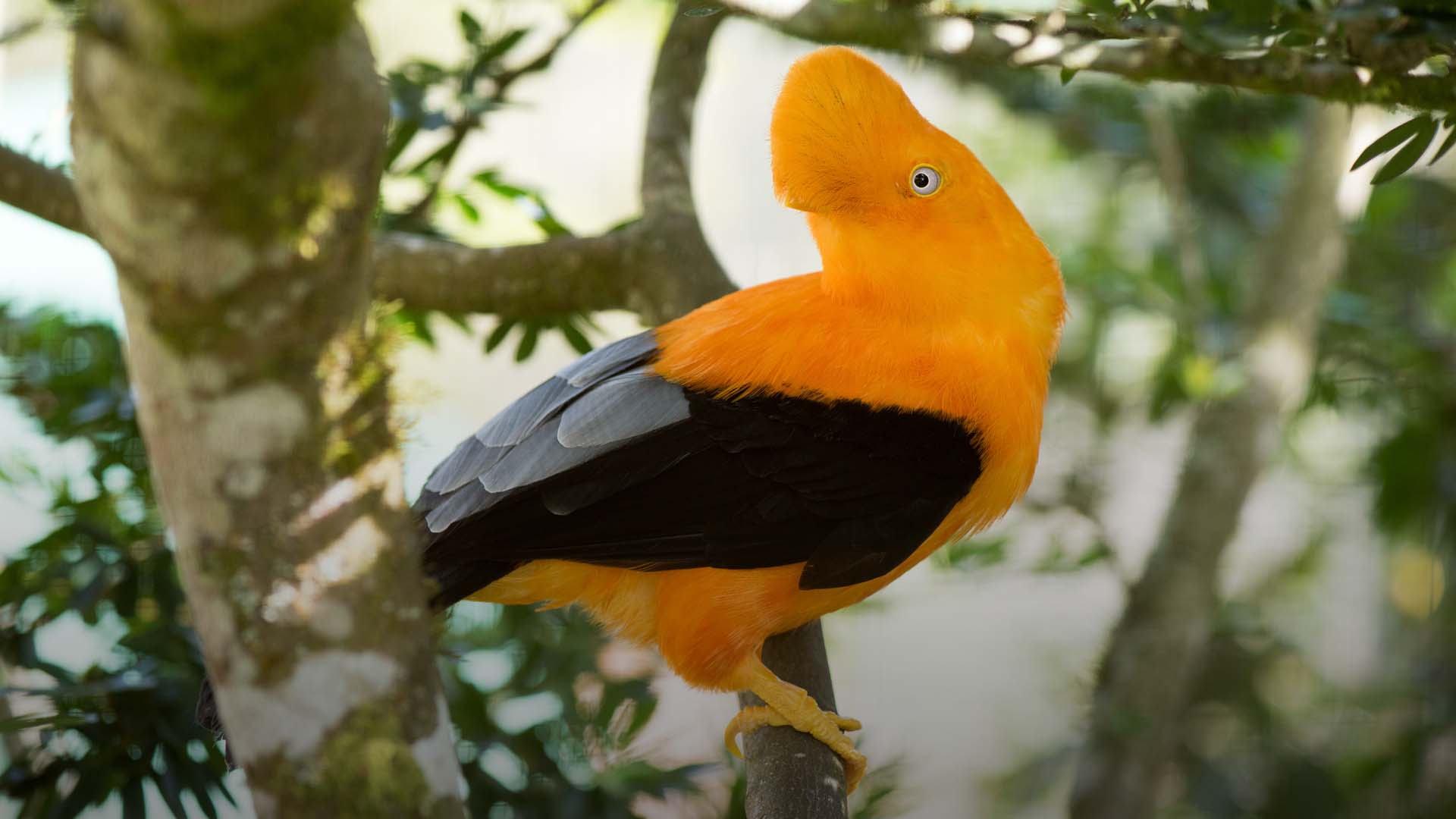
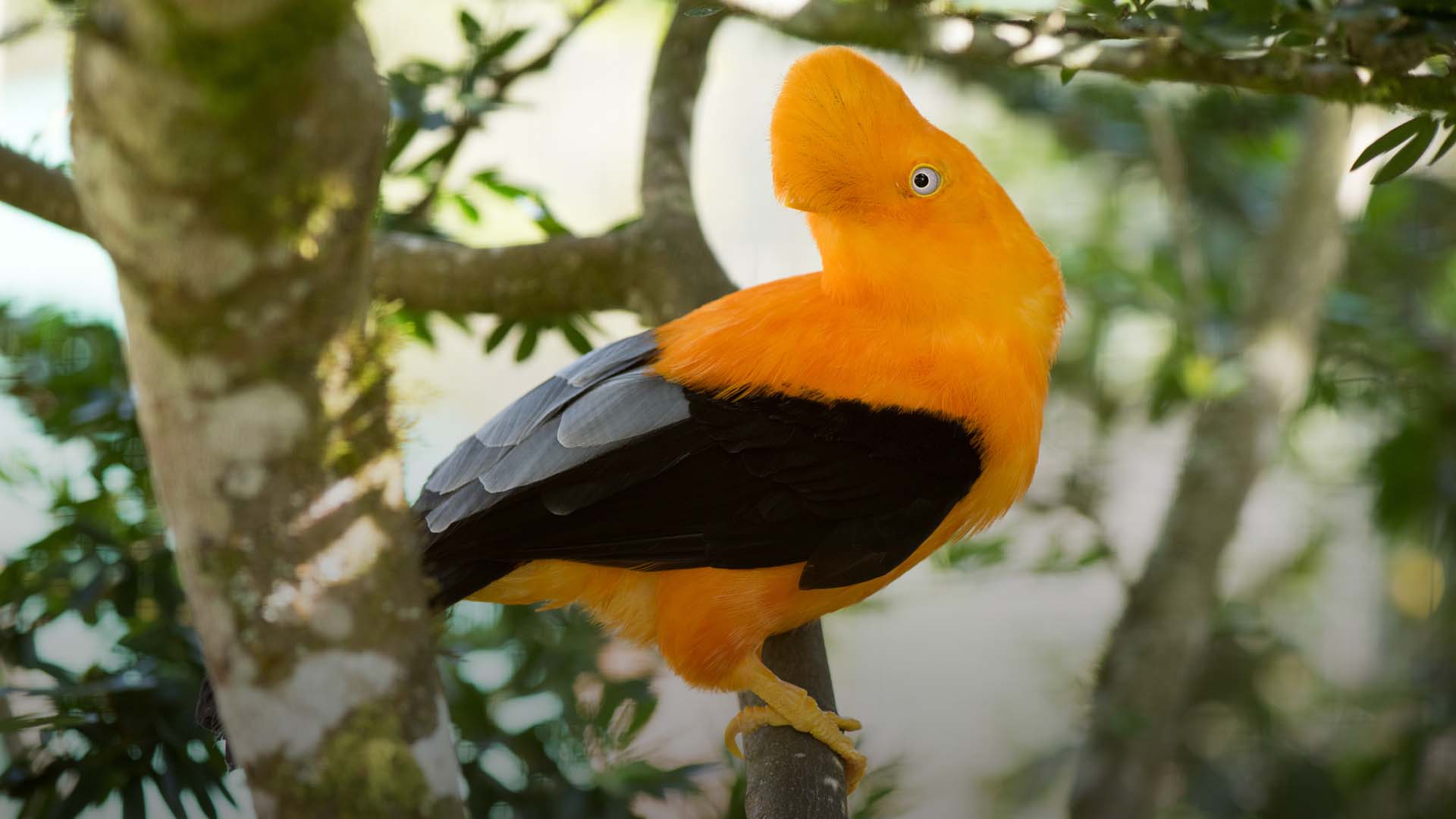
Birds, South American camelids, cetaceans, and canines. In Peru, there are unique species to suit every taste. The national bird of Peru is the Andean cock-of-the-rock, which amazes with its colorful plumage ranging from orange-red to elegant black on its wings. Another native bird is the Andean condor, considered the largest flying bird on the planet. It inhabits mountainous areas and the Colca Canyon is the most iconic spot to observe it.
Another bird-related specimen you can find in Inca lands is the Humboldt Penguin, a small and curious creature that can be spotted along the coasts of Callao (San Lorenzo Island) and Ica (Ballestas Islands). As for aquatic animals, it is also possible to spot the Pink Dolphin in Peruvian territory. These playful cetaceans inhabit the Peruvian Amazon and are endangered.
Peru also has a collection of camelids among its native species. These are llamas, alpacas, vicuñas, and guanacos. These animals have a long history dating back to the Inca Empire, when their fur was already used to make clothing.
The Andean bear (also known as the spectacled bear) and the Peruvian hairless dog (also known as calato dog) are other species with Peruvian DNA. The Andean bear can be found in the Chaparrí private conservation area, located in the Lambayeque region in northern Peru. It has also been spotted in the vicinity of the tropical Andean zone in Cusco. The Peruvian hairless dog is more commonly seen as a pet, as more families are adopting these animals.
 Credit: Shutterstock
Recommendations:
- Use this day to visit protected areas.
- Explore nearby regions.

General information
Essentials:
Comfortable clothing for walking, sunglasses, hat, insect repellent, sunscreen, cash, water.Date:
December 10th.Time:
Depends on the activity.Price:
Depends on the activity.