
International Mountain Day
Mountains, to some, are masterpieces of nature, a beauty worthy of admiration. To others, they represent challenges to conquer, seeking to overcome these expanses of natural grandeur through hiking and mountaineering. Regardless, their imposing presence commands attention from every angle. This is an undeniable truth. We are talking about mountains, among the most majestic expressions of Mother Nature. Were you aware that there is a dedicated day to honor their existence? Indeed, every December 11th marks International Mountain Day.
The impetus to establish a day of celebration for mountains was driven by the United Nations (UN). On this occasion, we commemorate their life, the biodiversity they shelter, their positive influence on climate change, the critical water reserves that course through their domains, and the agricultural abundance they foster, among other interrelated themes. This day aims to raise awareness among citizens about sustainable development within mountainous regions, which provide a home to approximately 15% of the global population.
The intention behind celebrating International Mountain Day also lies in creating a perfect opportunity to mobilize resources to improve the living conditions of indigenous communities residing in these environments. These communities live in constant harmony with the surrounding nature, as it is estimated that nearly half of the world's biodiversity reserves are found in mountainous regions.
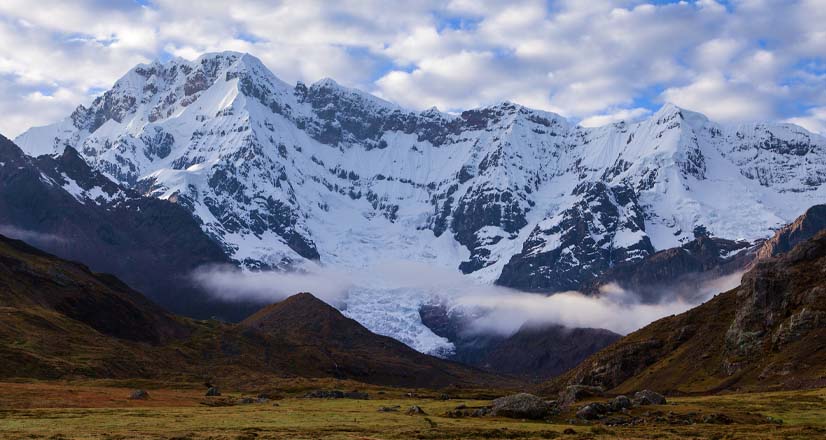
Ausangate, located in the Vilcanota Range, in Cusco. Credit: Shutterstock.
The significance of mountains to humanity is so profound that they stand as the primary source of freshwater for more than half of the Earth's population. Consequently, it is imperative to safeguard these areas, as they face grave threats from climate change -particularly the melting of mountain glaciers- and the excessive extraction of their resources. For these reasons, the UN decided to celebrate International Mountain Day since 2003.
Mountains in Peru
Across the Peruvian landscape, the Andes boast a multitude of mountains. A range to suit every taste and preference (without exaggeration). It is no wonder the Andes play a significant role in the Incan realm. This significance extends beyond the breathtaking landscapes that frame the mountains, astounding visitors. They form a harmonious beauty alongside snow-capped peaks, volcanoes, and other natural elements.
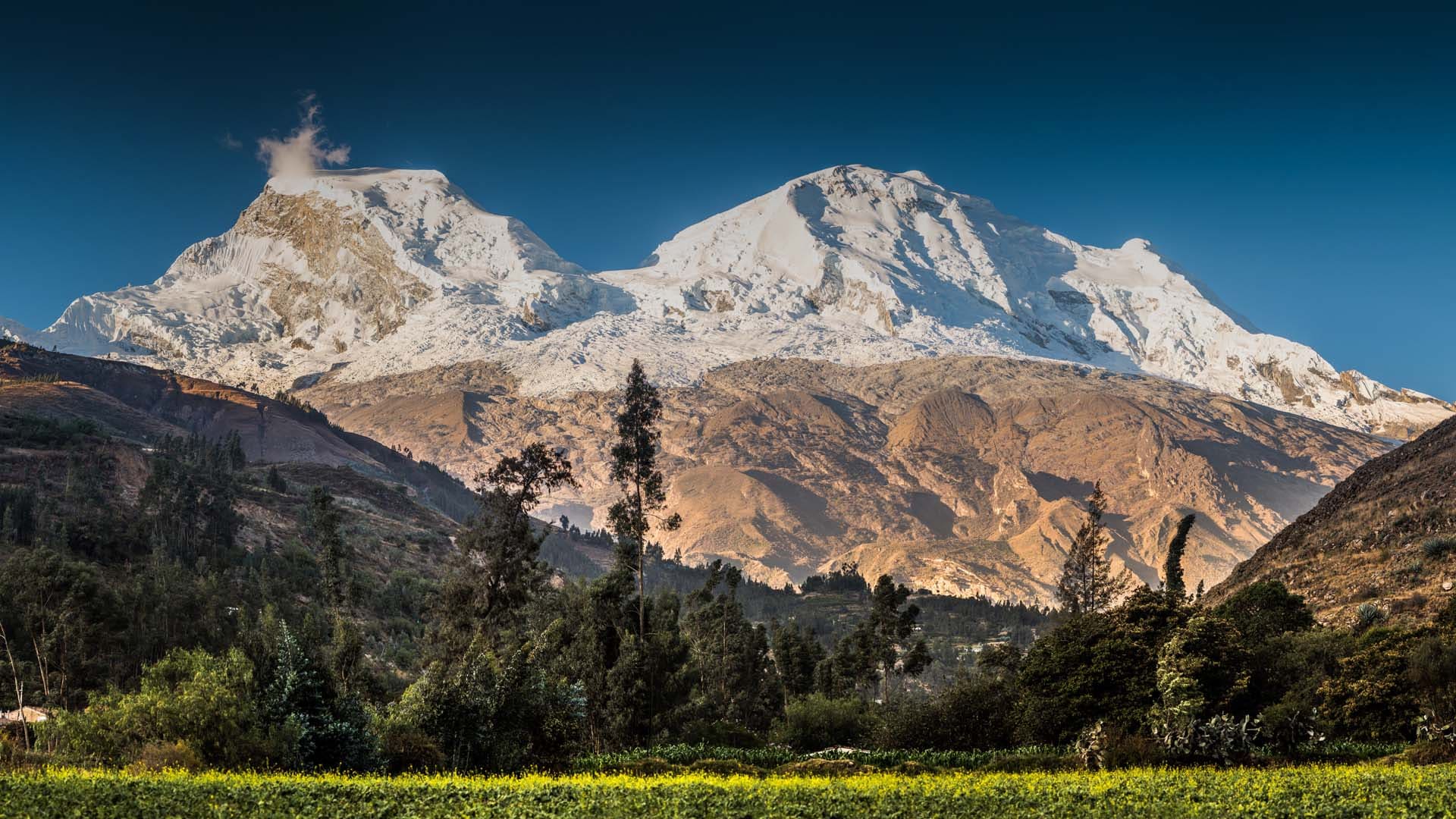
One of the most awe-inspiring mountains is Huascarán, located in the heart of the Cordillera Blanca, in the Áncash region of northern Peru. It is Peru's tallest peak (6768 meters) and the fifth tallest in the South American continent. Additionally, there is Ausangate, the premier pinnacle of the Vilcanota Range, situated in southern Peru's Cusco region. With its 6384 meters, it ranks as Peru's fifth highest mountain and stands out as the preferred destination for trekking enthusiasts.
 Credit: Shutterstock
How to Reach Huascarán?
Ruta 1
Lima - Huaraz
Approximately 1 hour and 30 minutes
Recommendations:
- Aprovecha en hacer turismo en las zonas aledañas.
- Contrata un servicio de guía turístico especializado si vas a escalar las montañas.

General information
Essentials:
Comfortable walking attire, winter clothing, sneakers, climbing equipment, water, cash.Date:
December 11thTime:
Depends on the activity.Price:
Depends on the activity.