
International Day of the World's Indigenous Peoples
Since 1995, and by resolution of the General Assembly of the United Nations Educational, Scientific, and Cultural Organization (UNESCO), the International Day of Indigenous Peoples is celebrated worldwide every August 9th.
According to the agency, this declaration aims to honor these communities and their knowledge, creativity, and innovation in art and literature while reaffirming their rights and promoting values of equity, justice, and dignity for all.
Indigenous Peoples in Peru
According to UNESCO, more than 5% of the world's population –approximately 370 million people– belong to indigenous societies spread across 90 countries.
In Peru, according to the database of the Department of Culture, there are currently 55 indigenous peoples, 51 of them belonging to the Peruvian Amazon and the rest residing in the Peruvian Andes.
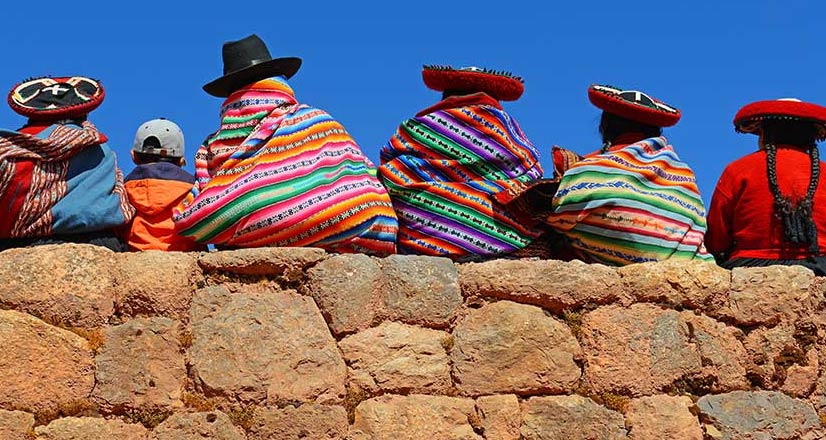
The quechuas are one of the best-known populations in Peru. Credit: Shutterstock.
Regarding this last group, the Quechuas stand out as one of the most well-known populations in Peru, due to the number of people who belong to it. This society is distinguished for being a fundamental part of the Inca Empire and for having developed significant techniques in ceramics, architecture, metallurgy, among others. They are mainly located in the regions of Amazonas, Arequipa, Ayacucho, Cusco, Lima, Madre de Dios, and Puno.
Another significant indigenous population is the Ashaninka, not only known for being the largest indigenous group in Peru but also for their strong identity based on their relationship with nature and the defense of their land.
Moreover, the Ashaninka recognize the importance of promoting their culture revaluation. Mainly, to pass on traditional knowledge and wisdom, such as language or the use of plants, to the new generations.
They are mainly located in the regions of Junín, Cusco, Huánuco, Ayacucho and Ucayali. Their language is Ashaninka, which belongs to the Arawak linguistic family. Another important characteristic of this indigenous people is that they maintain an ancestral medicine based on the use of plants.
The Aimara people are also an important indigenous group in Peru. They are distinguished by their ability to adapt their culture to the political and social changes that the country has undergone since colonial times.
Currently, they are the second-largest indigenous group with over 150 000 individuals. Most of them reside in Puno, but they also have a presence in Tacna and Moquegua. This society practices artisanal fishing and textile making.
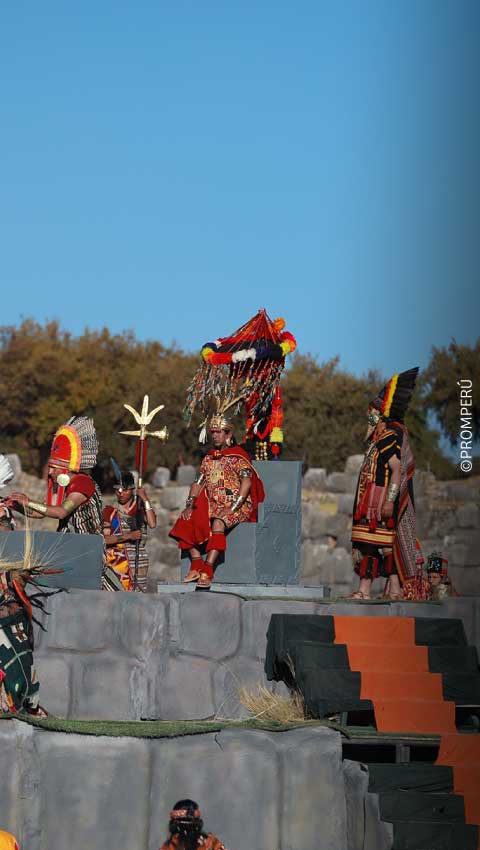
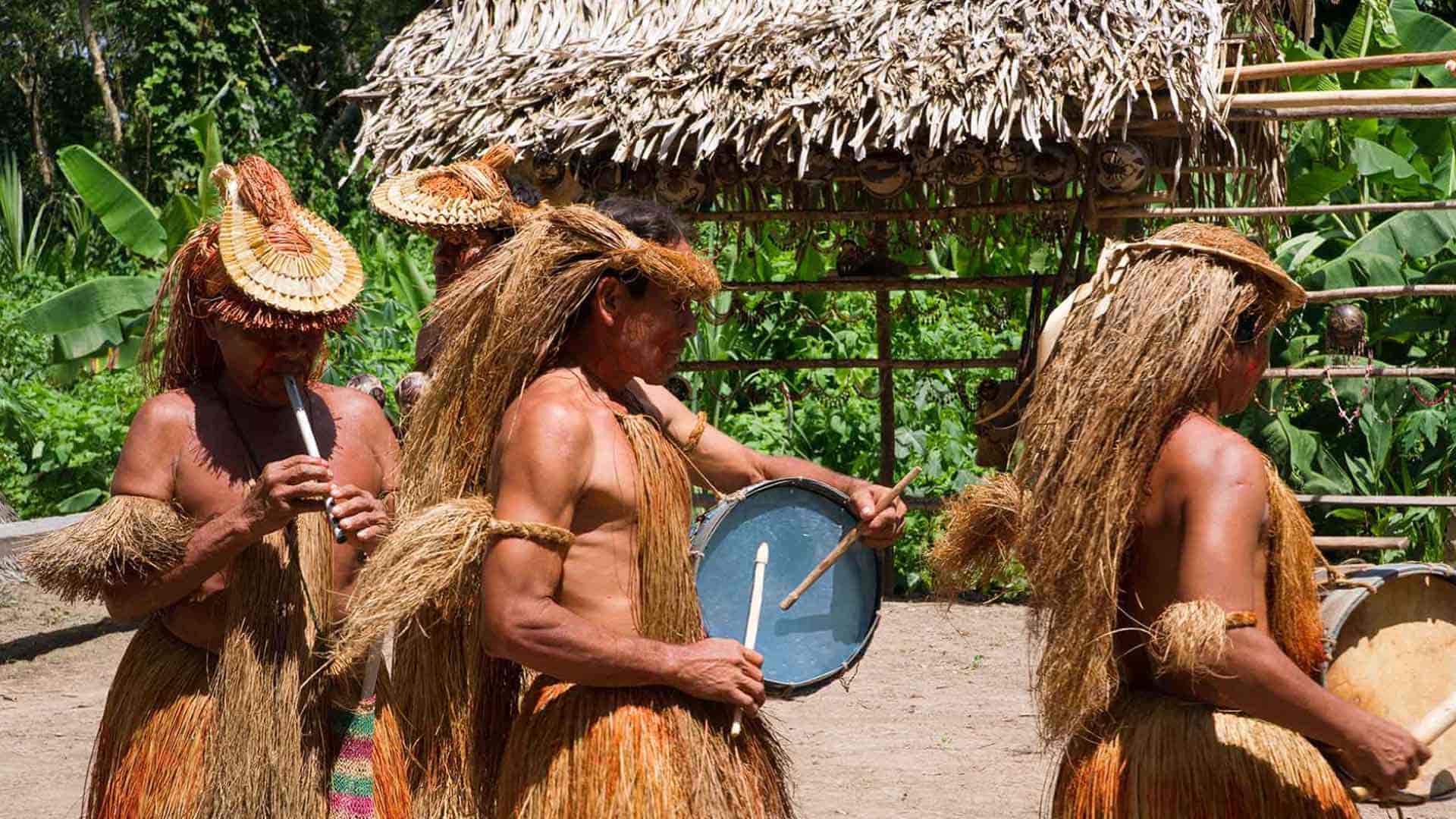 Credit: Carlos Ibarra / PromPeru
Recommendations:
- Investigate and gather information about the indigenous community before the trip.- Understand the history, culture, codes of conduct, and the connection with the nature of the indigenous groups will also help appreciate their customs.
- Choose tour operators managed by indigenous entrepreneurs or those with a direct business relationship with local indigenous providers.