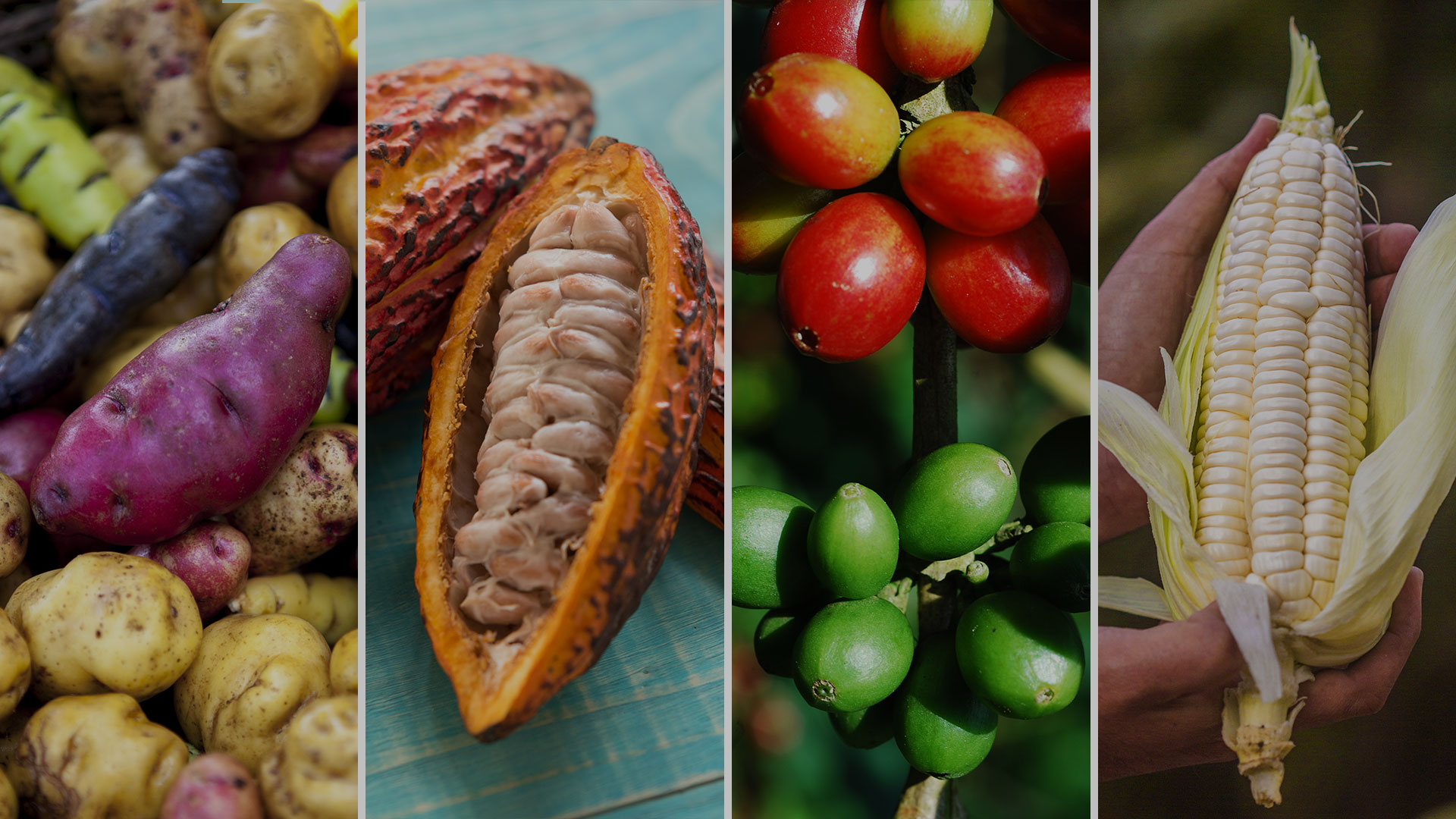
4 representative foods from Peru
Enjoying Peruvian cuisine also means knowing the work behind each product that gets at our table. On National Farmer's Day, every June 24, here we share four destinations that will allow you to know about the most emblematic crops of the country.
Due to its rich biodiversity, Peru is recognized as the pantry of the world. Each of the regions of the country cultivates different products that they share with the rest of Peru and are exported to the whole planet.
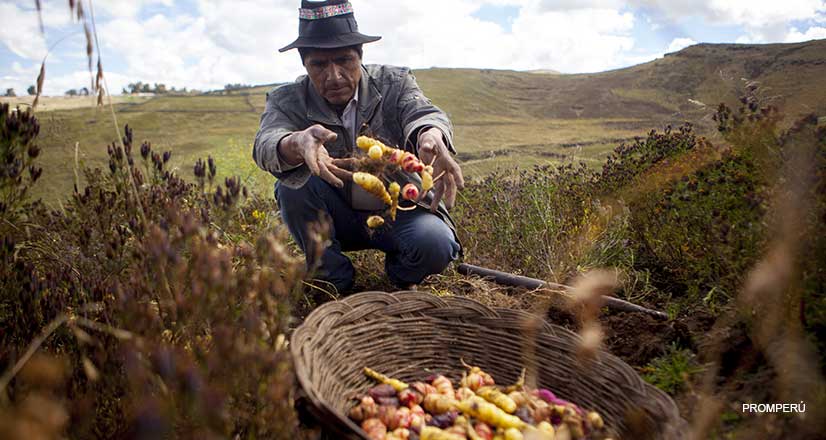
Traveling through Peru is a great opportunity to learn more about these crops and the lives of the people who make them possible: Peruvian farmers, whose work feeds the entire country, protects our biodiversity and are linked to the identity and history of each region and province.
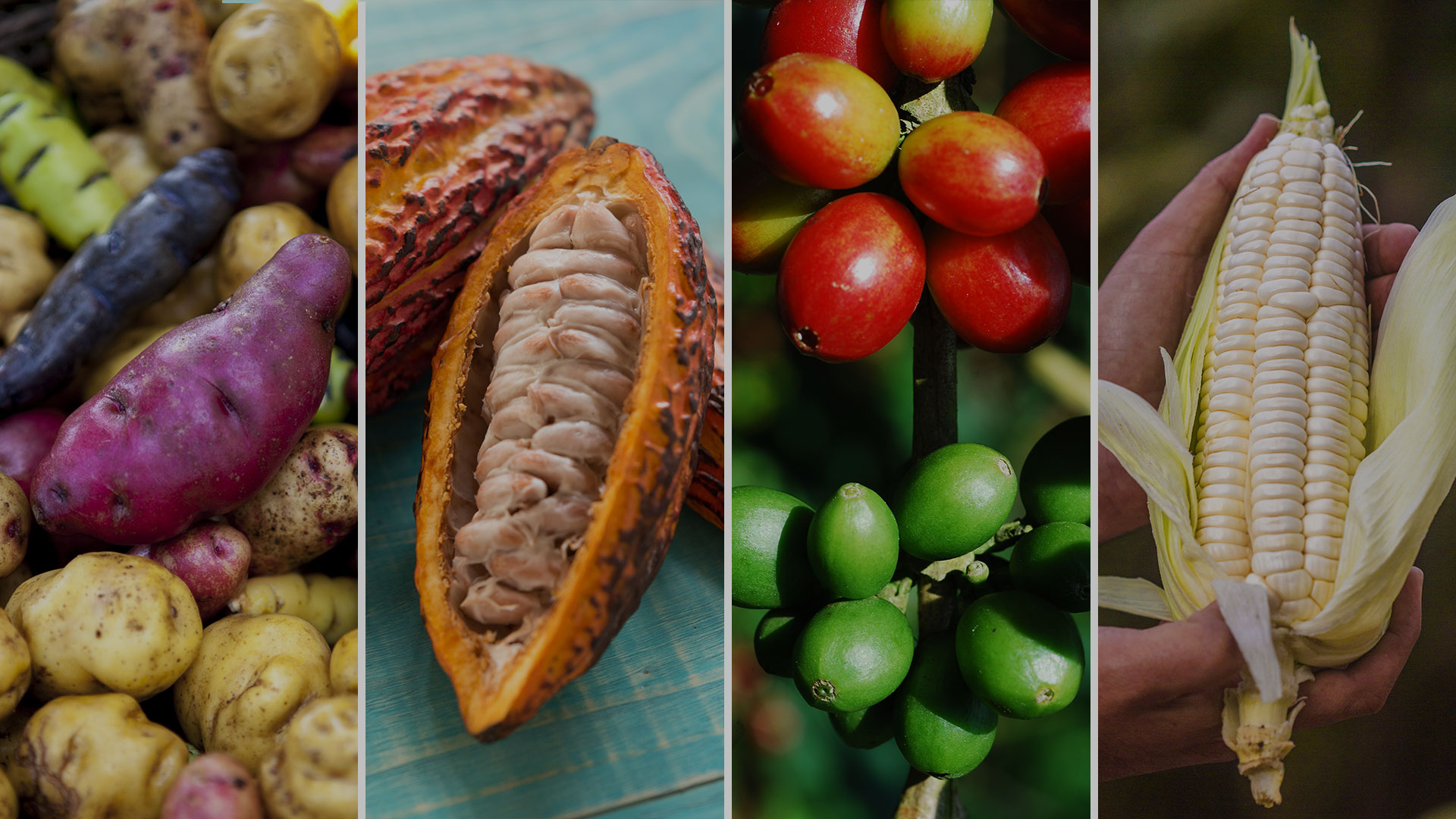
To pay tribute to them on the Farmer’s Day, celebrated on June 24, we bring you some of the most representative foods of Peru and how you can learn more about their production when you dare to visit them.
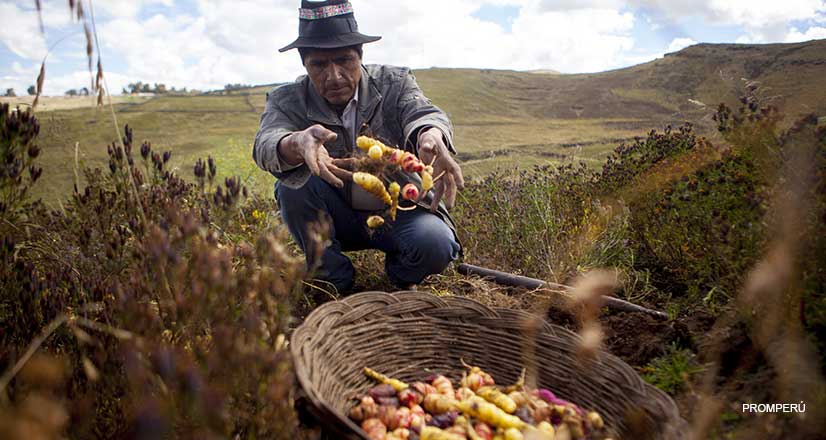
Native Potatoes from Ayacucho
How much do you know about the potato? Peru has more than 4,000 varieties. More than 6,000 years ago this tuber - so important for the food of humanity - was first cultivated in our territory. There are varieties of potatoes that are only found beyond 4,000 meters above sea level: the native potatoes. One of the privileged regions that have the conditions to cultivate them is precisely Ayacucho.
If you travel to Ayacucho, you will be able to learn more not only about the native potatoes, but also about the history and life of the ancient Peruvians. There is even the Native Potato Route that allows us to understand the importance of this crop.
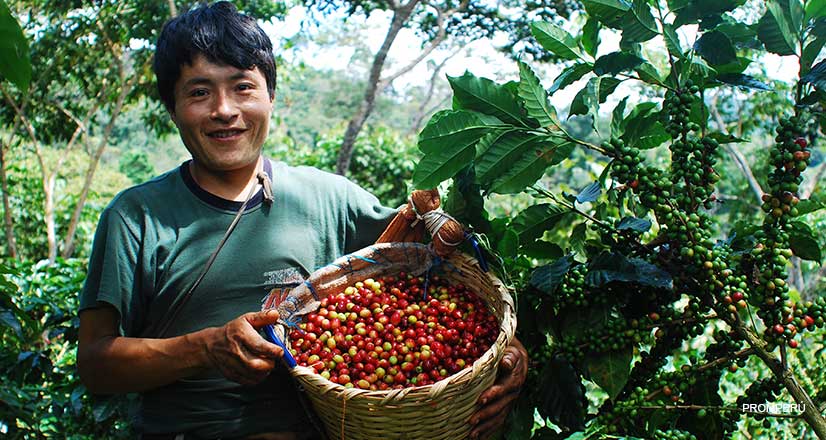
Coffee from Pasco
Peruvian coffee is already highly valued worldwide thanks to its excellent quality, aroma and flavor. The coffee jewel of Peru is located in the region of Pasco: the district of Villa Rica is known as "The land of the finest coffee in the world". There is no doubt that it honors its name as it has already become a mandatory stop for coffee lovers.
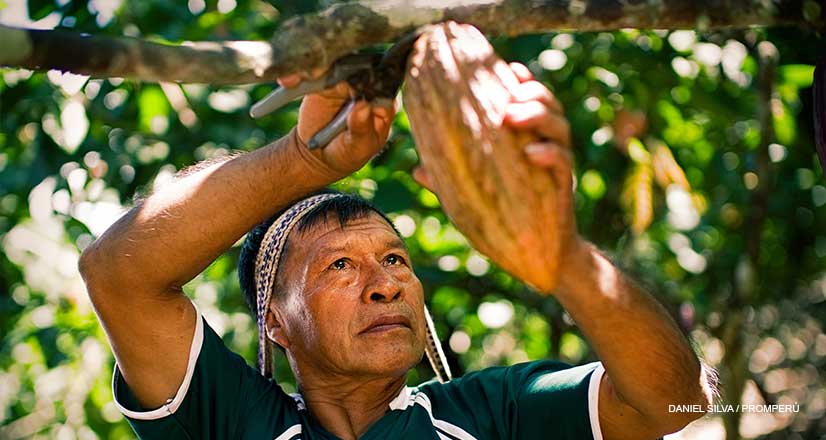
Cocoa from San Martin
Peru has already been positioned as the second largest producer of organic cocoa in the world. Moreover, Peruvian chocolate has won numerous awards in the most prestigious competitions on the planet.
If you want to know more about the chocolate making process and what makes Peruvian chocolate so different, travel to the region of San Martin and do the Cocoa Route. There you can experience the agricultural and cocoa activities of the inhabitants, and taste the chocolate prepared by the community.
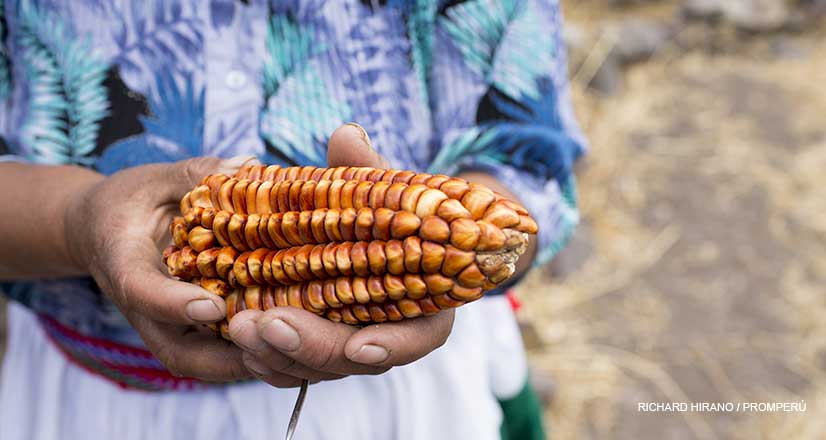
Giant Corn from Cusco
This very special corn grows only in the Sacred Valley of Cusco between 2600 and 3050 meters above the sea level. It is a super food of great relevance in Ancient Peru. It is possible to find representations of this grain in the Sanctuary of Pachacamac, which comprises buildings dating from the Early Intermediate (III Century) to the Late Horizon (XV Century).
Visit the Sacred Valley of Cusco and learn more about this important crop, essential for the Ancient Peru.
Get to know Peru and discover the secrets of its gastronomy!
Recommendations
- The festivity coincides with Inti Raymi, the date on which the Incas worshipped the Sun and the fertility of the earth.
- Eat local products, harvested by our farmers.
General information
Date:
June 24 of each year.Indispensable:
Visit the website Superfoods Peru, to learn more about the superfoods of Peru, a country with one of the greatest biodiversity in the world.Altitude:
Above 1 470 meters above sea level.