
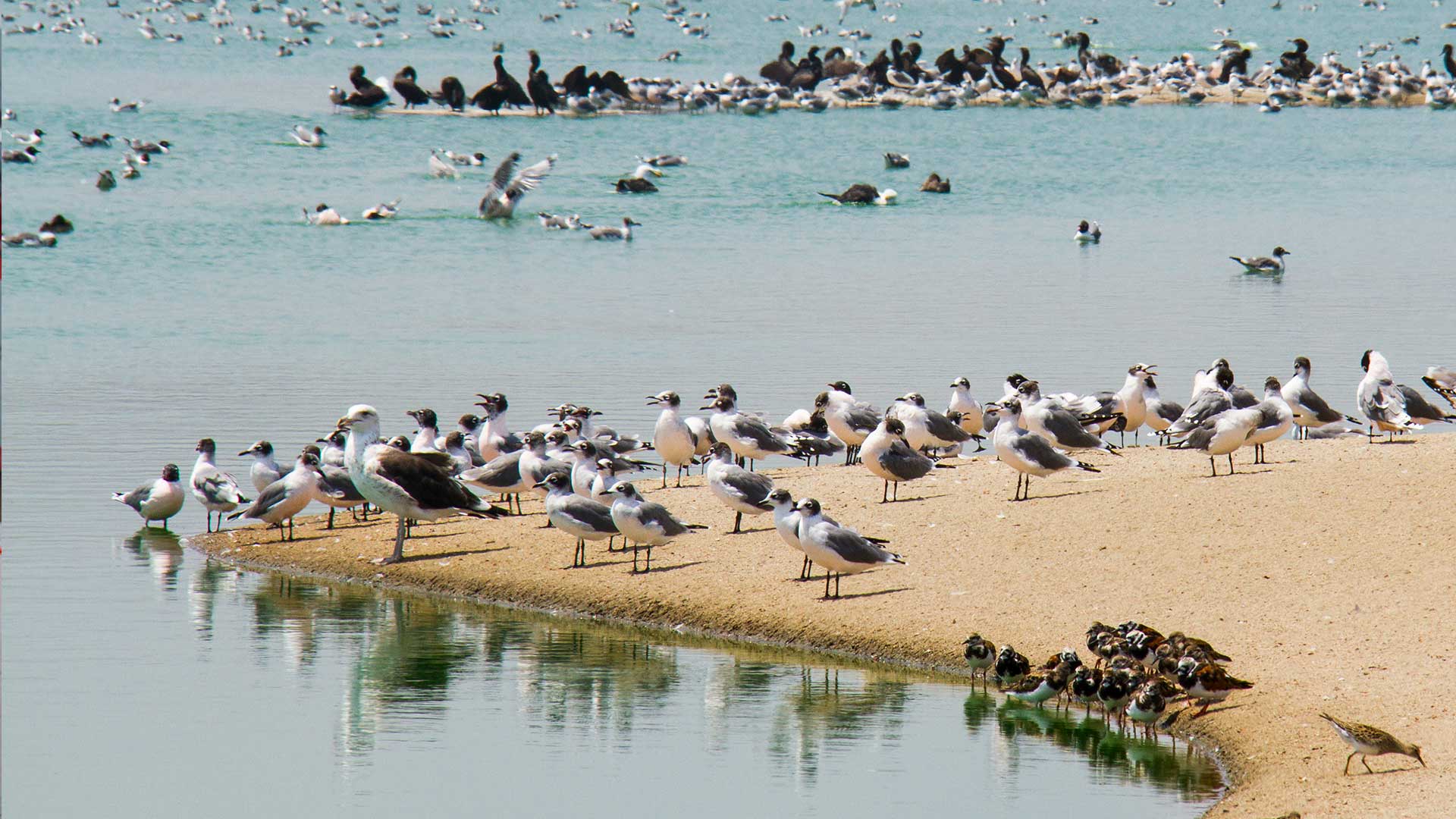
Campaign to raise awareness of its importance.
World Migratory Bird Day aims to raise global awareness of the importance of these birds, their habitats and their role in ecosystems, as well as to raise public awareness of the threats they face during migration and to find cooperation mechanisms to protect these species.
These birds migrate seasonally, traveling thousands of kilometers in search of food, breeding in warmer regions or quieter areas to spend the winter.
Since 2018, the event has been held on two dates (the second Saturday in May and October) to reach a wider audience and spread knowledge about the protection of these birds.
Peru and its privileged location for the passage of migratory birds
Migratory birds have made Peru an important stop on their travels. They arrive in the Peruvian Amazon, in search of the river beaches that are formed in the summer and used to nest and raise chicks. They also come to the Peruvian Andes, in search of wetlands and large salt lakes where food abounds. Mainly, they reach to the Peruvian coast, fleeing from the cold that devastates their homeland with temperatures that make wildlife almost impossible.
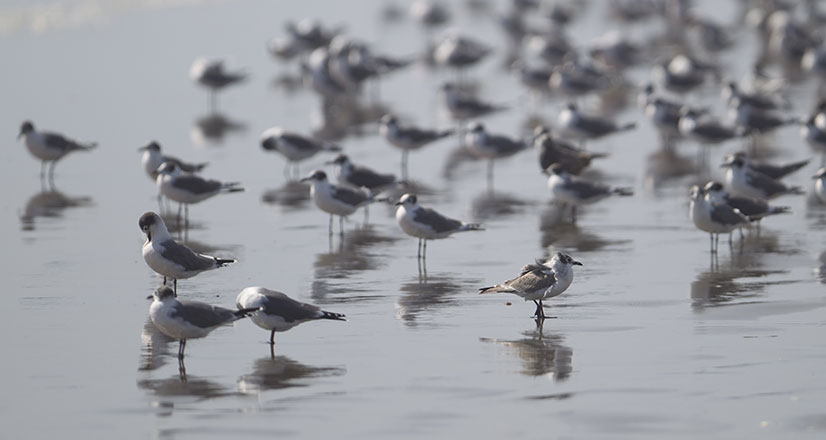
Franklin's Gulls (Leucophaeus pipixcan) on the coast of Lambayeque. ©Promperu
Sites such as the Paracas National Reserve, the Pantanos de Villa Wildlife Refuge or the Mangroves of Tumbes National Sanctuary have been designated as sites of international importance by the Wetlands Convention (Ramsar). The inclusion of these territories demonstrates the Peruvian commitment to take the pertinent measures to guarantee the conservation of the ecological processes of these birds.
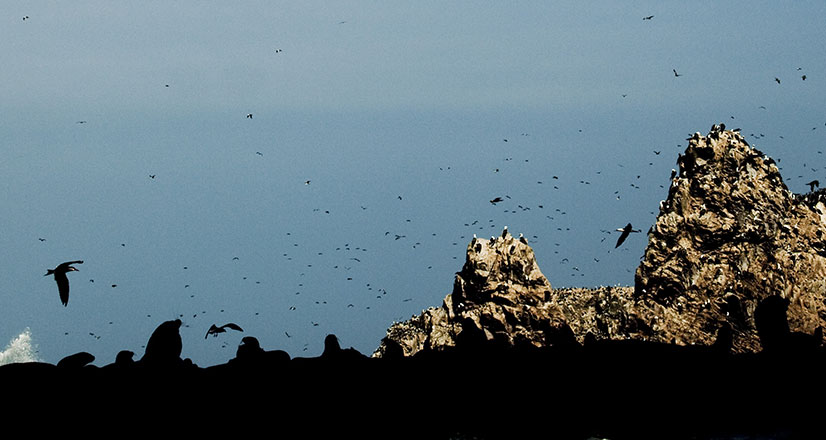
Paracas National Reserve, Ica. ©Promperú
Light pollution, main theme of the World Migratory Bird Day 2022 campaign
Globally, artificial light is increasing by at least 2% per year and is known to negatively impact many bird species. Light pollution poses a major threat to migratory birds, confusing and disorienting them when they fly at night, causing them to collide with buildings, upsetting their internal clocks, and impairing their ability to fly and migrate long distances.
Let's find solutions to this global problem, for example, by taking measures to dim the lighting of buildings during their migration periods. Good practice guidelines are also being developed under the Convention on Migratory Species (CMS) to address this growing problem and ensure action is taken globally to help migratory birds find safe residence.
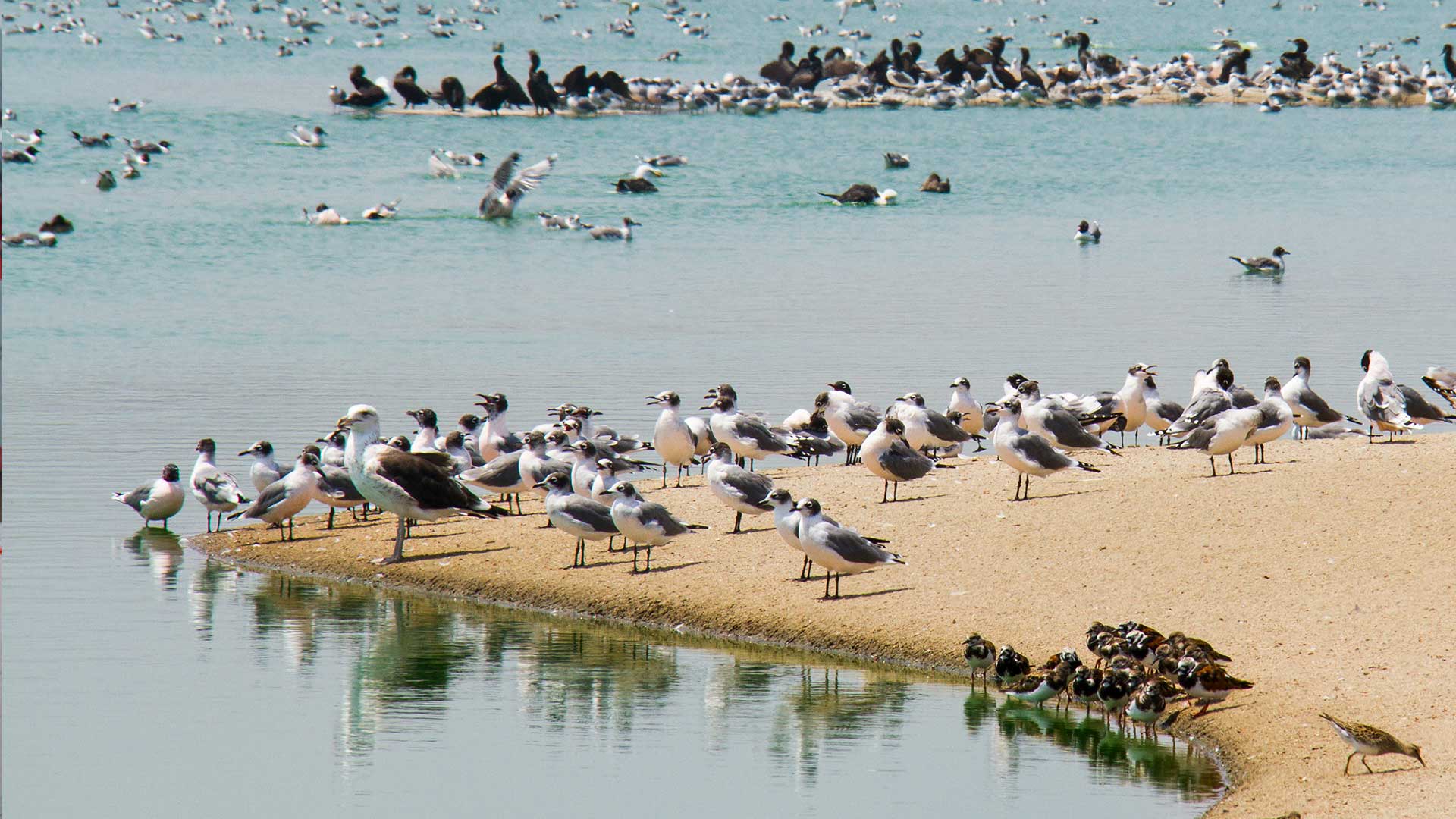 ©Promperú
Recommendations
- Turn on monuments and buildings only when necessary.
- Implement luminaires that direct their light downwards, and only illuminate the surfaces that are necessary.
- Close the blinds and curtains in your home.
- Turn off the lights when we are not using them.