

Written by:
peru.travel
Friday, May 9, 2025
In this Page
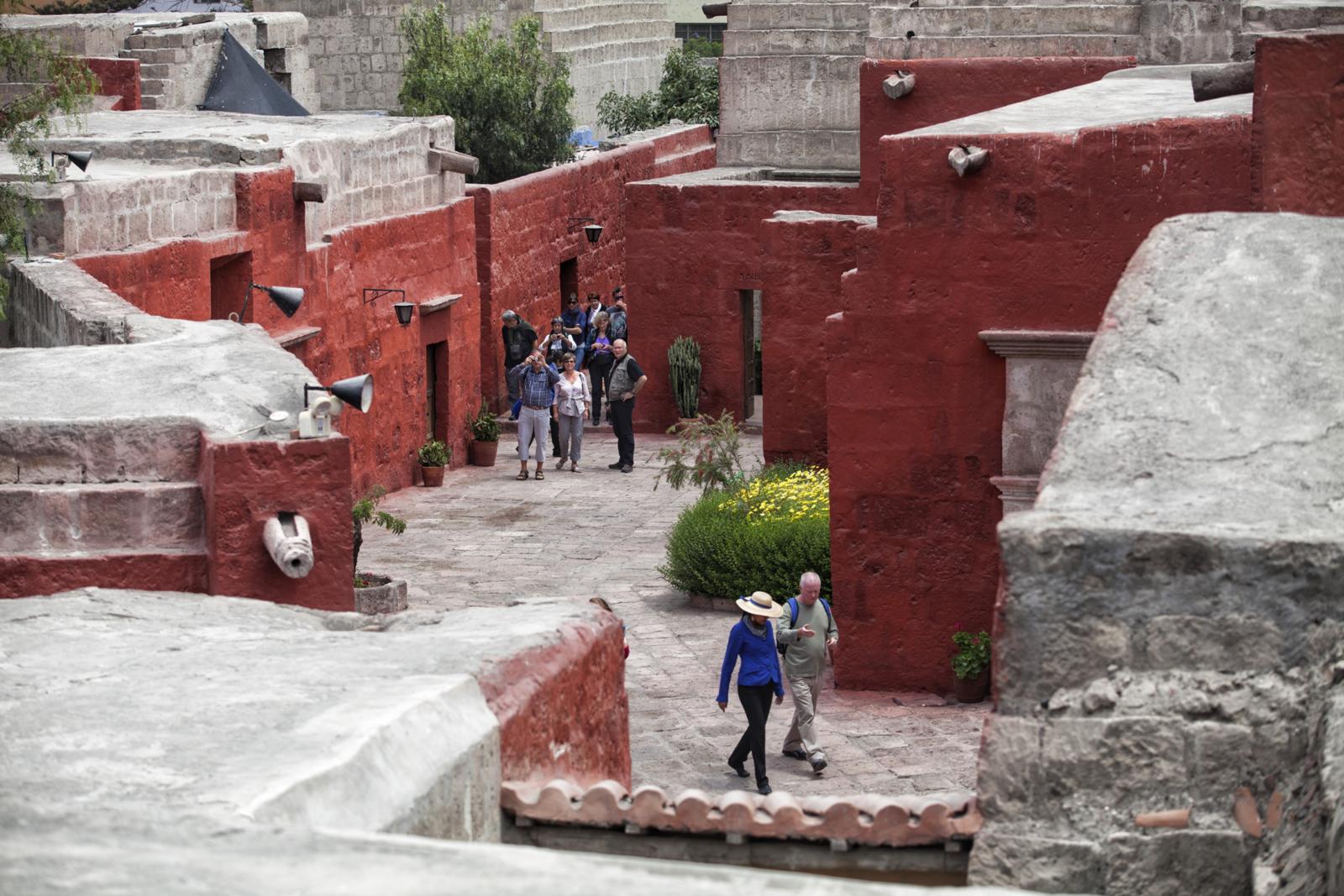
The Monastery of Santa Catalina, located in the city of Arequipa, is one of Peru's best-kept secrets. This impressive architectural complex, dating from the 16th century, is not only a place of prayer but a living reflection of the country's colonial history.
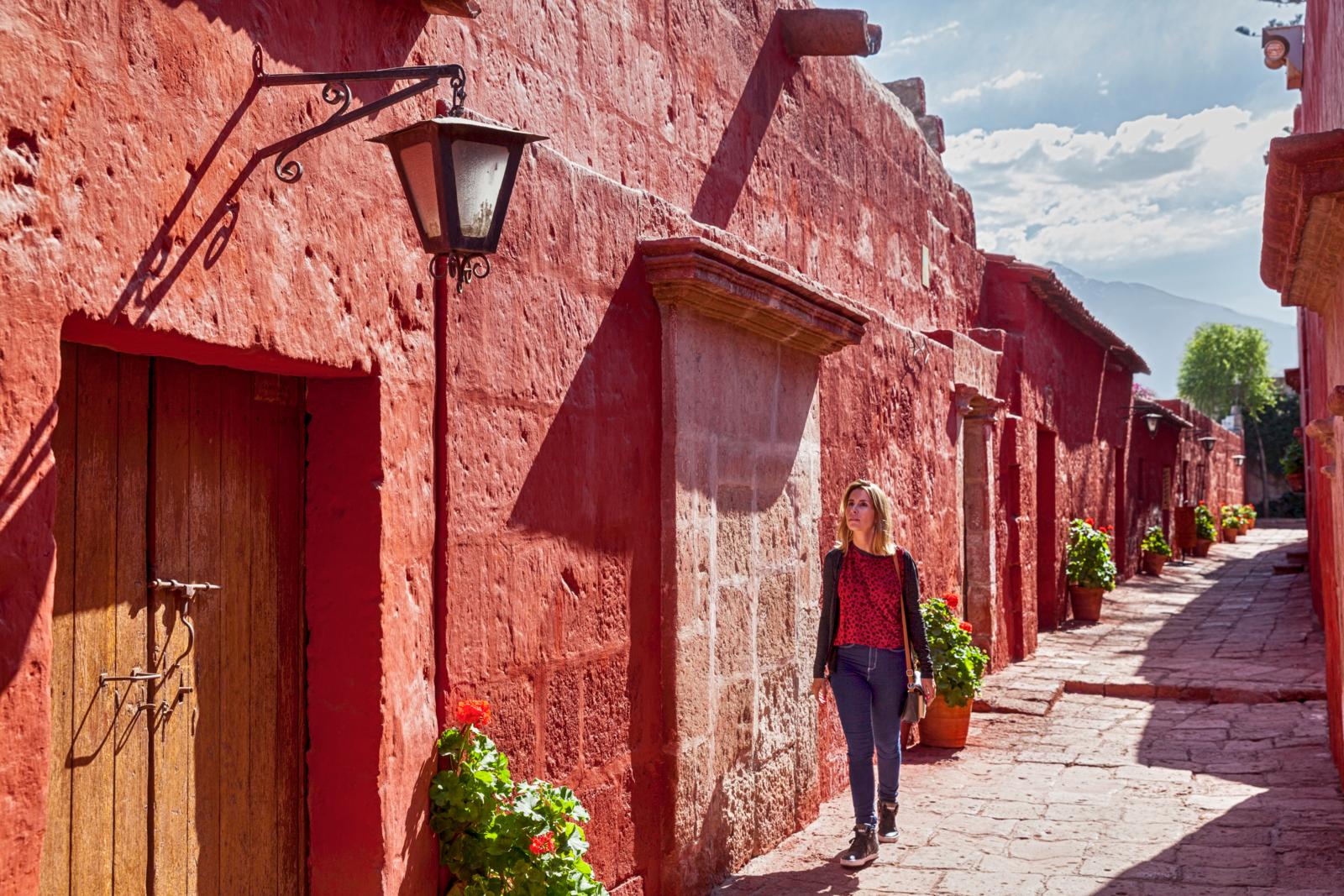
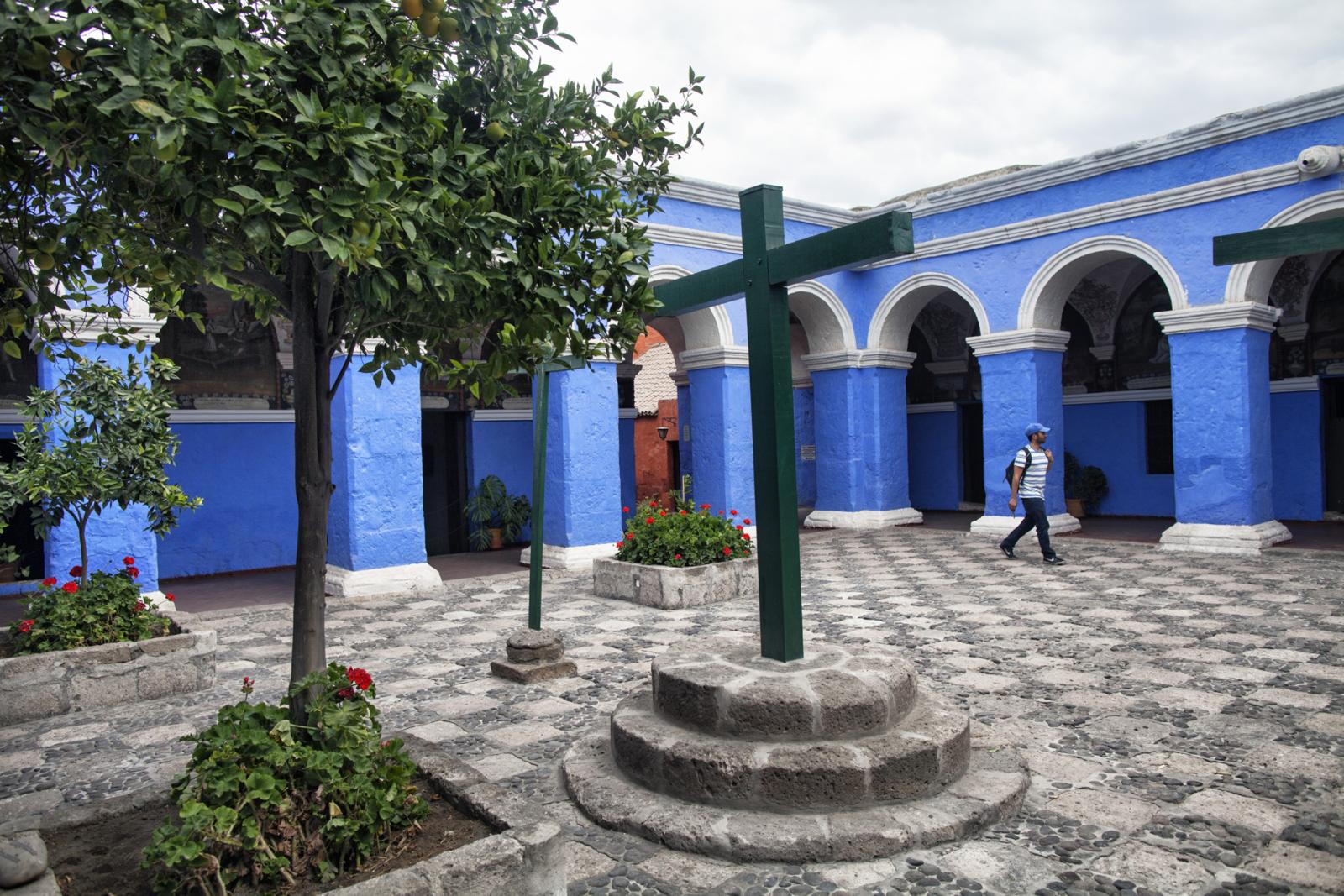
Often compared to a small walled city, its vibrantly colored alleys and flower-filled courtyards hide fascinating stories that few know. Before embarking on your visit, it is essential to discover some of the most intriguing aspects of this enigmatic place.
Credit: Enrique Castro-Mendívil / PROMPERÚ.
It was founded by a laywoman
Unlike many monasteries that were founded by religious figures, the Monastery of Santa Catalina was established by a laywoman, Doña María de Guzmán. This widow, with great devotion and resources, obtained the necessary permits to found the monastery in 1579, marking a unique event in the religious history of Peru.
Credit: Miguel Mejía / PROMPERÚ.
A peculiar permission
Although the monastery is in Arequipa, the permission for its establishment was granted by the Archbishopric of Cusco, since Arequipa did not have its own monastery until 1600. This fact highlights the historical importance of Cusco in the viceregal era and adds an interesting nuance to the history of the monastery.
Credit: Enrique Castro-Mendívil / PROMPERÚ.
Spiritual economy
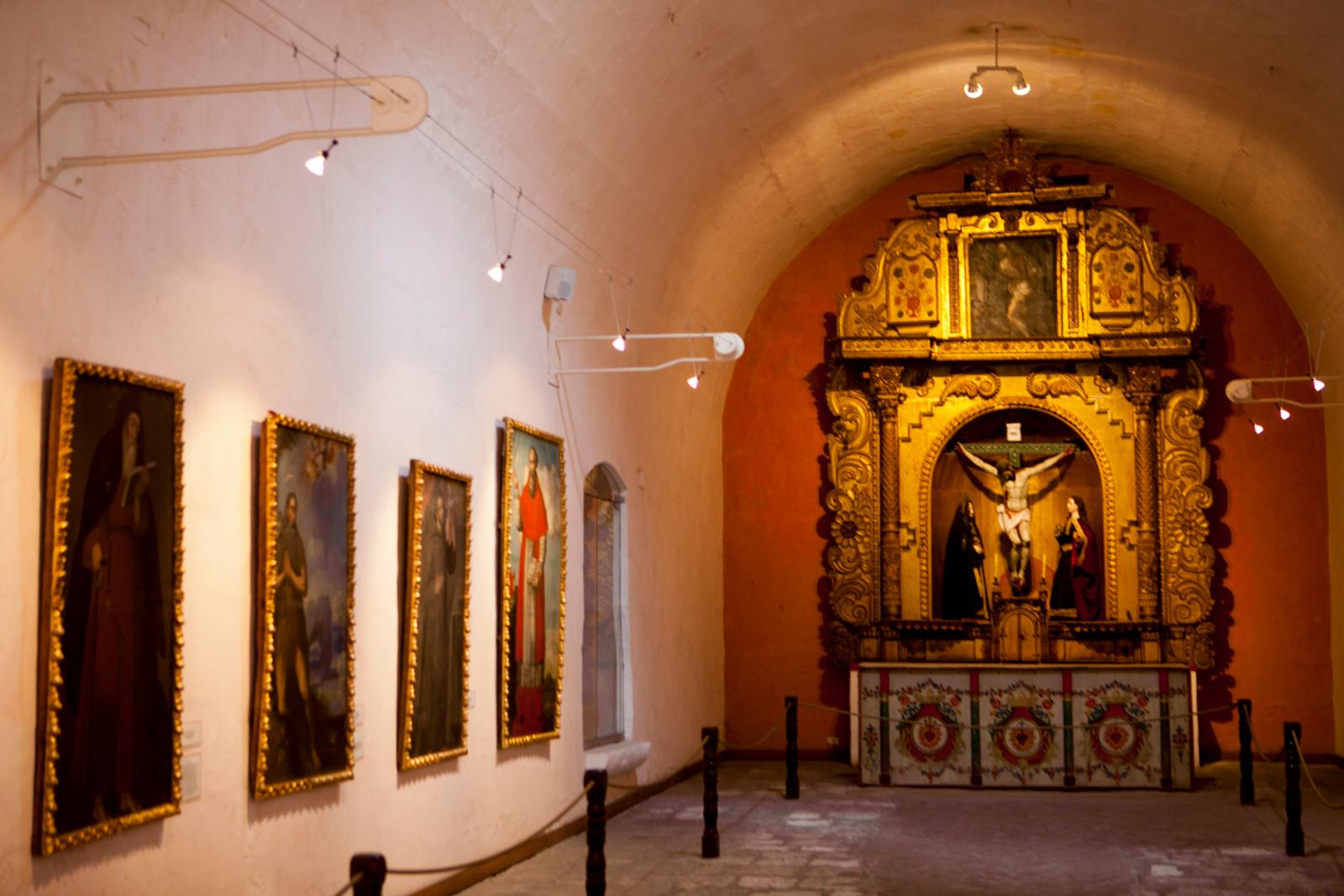
The monastery was not only a place of spiritual retreat but also a center of economic power. It operated under what was known as “spiritual economy”, administering donations and granting loans to the community. This system allowed the monastery to sustain itself economically for centuries.
Credit: Inés Menacho.
Three architectural styles in one place
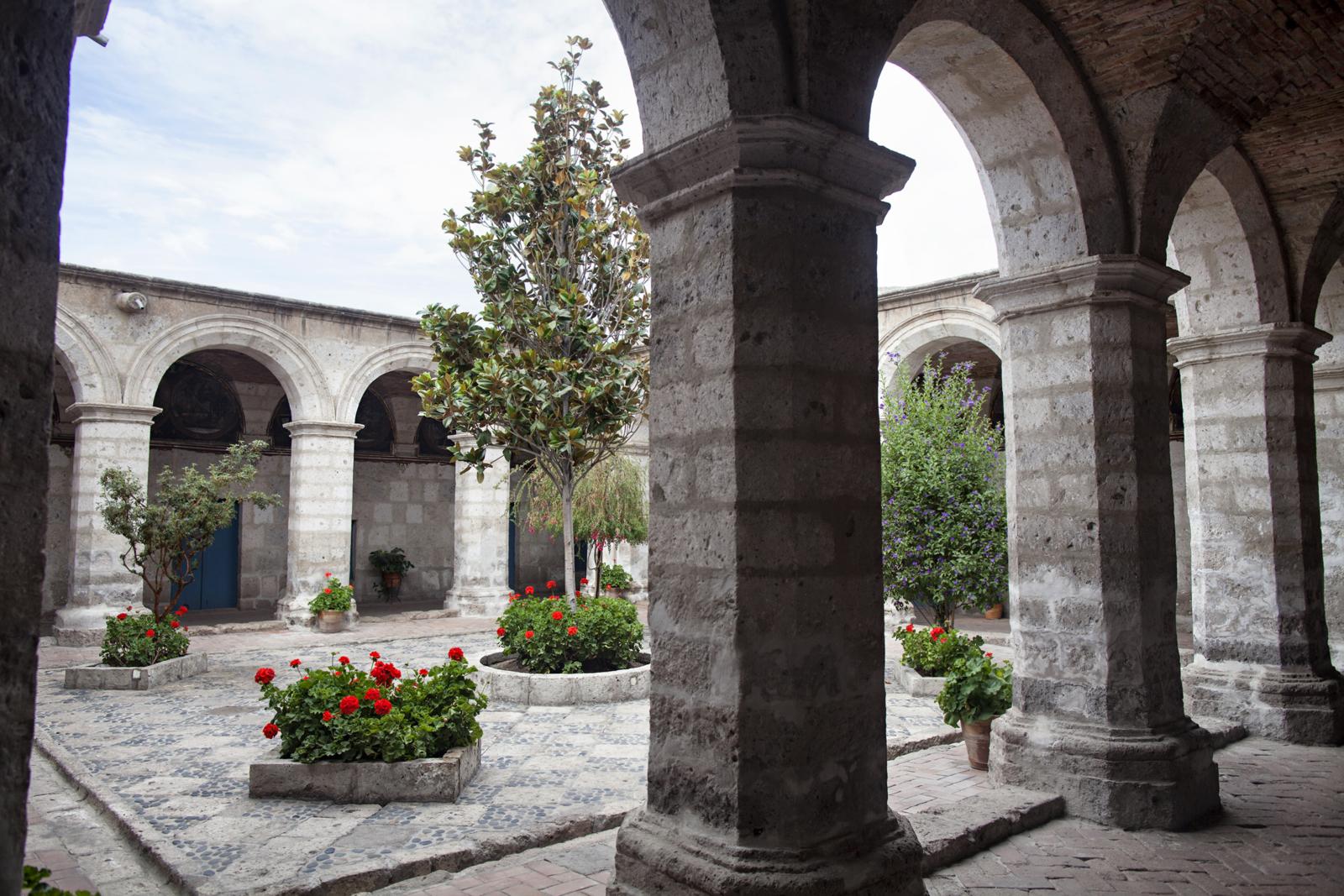
The Monastery of Santa Catalina is a unique example of Arequipa architecture, combining three main styles: Baroque, Neoclassical and Neo-colonial. This architectural mix not only beautifies the monastery but also preserves construction techniques that have disappeared in other parts of the city.
Credit: Enrique Castro-Mendívil / PROMPERÚ.
Discovery of a hidden door
During restoration work carried out between 2010 and 2012, a door was discovered under the cross that can be seen from calle Ugarte in Arequipa. This door, which had been walled up, was rehabilitated and now serves as the entrance to a new art exhibition hall, adding a new cultural space to the monastery, which is used for traveling exhibitions.
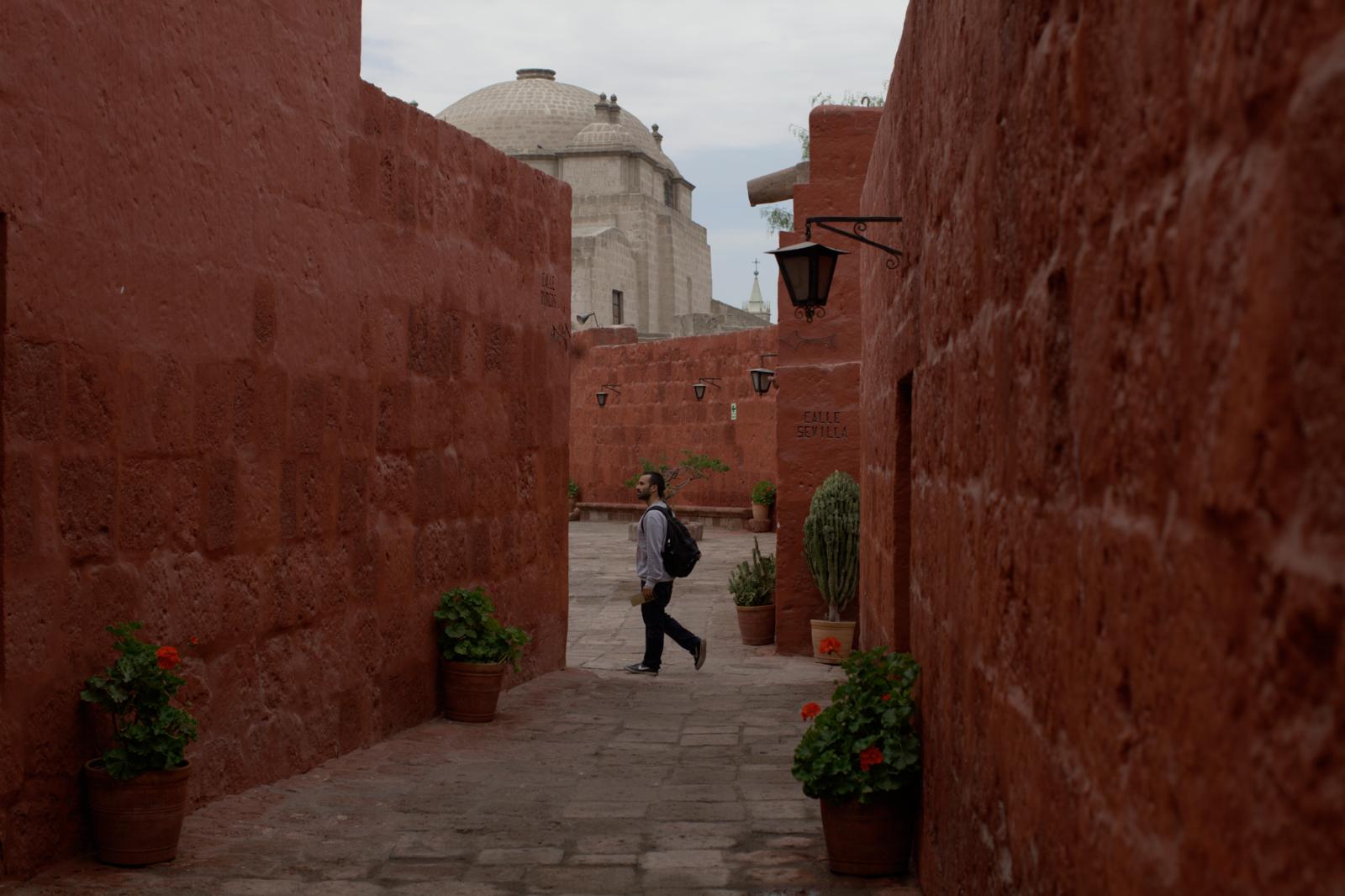 Credit: Enrique Castro-Mendívil / PROMPERÚ.
Opening hours of the Monastery of Santa Catalina
The Monastery of Santa Catalina opens its doors to the public every day on the following schedule:
Monday to Sunday: 09:00 a.m. to 6:00 p.m. Last admission at 5:00 p.m.
Tuesday evenings: 5:30 p.m. to 7:30 p.m. Last admission at 7:30 p.m. to enjoy “Santa Catalina by night”.
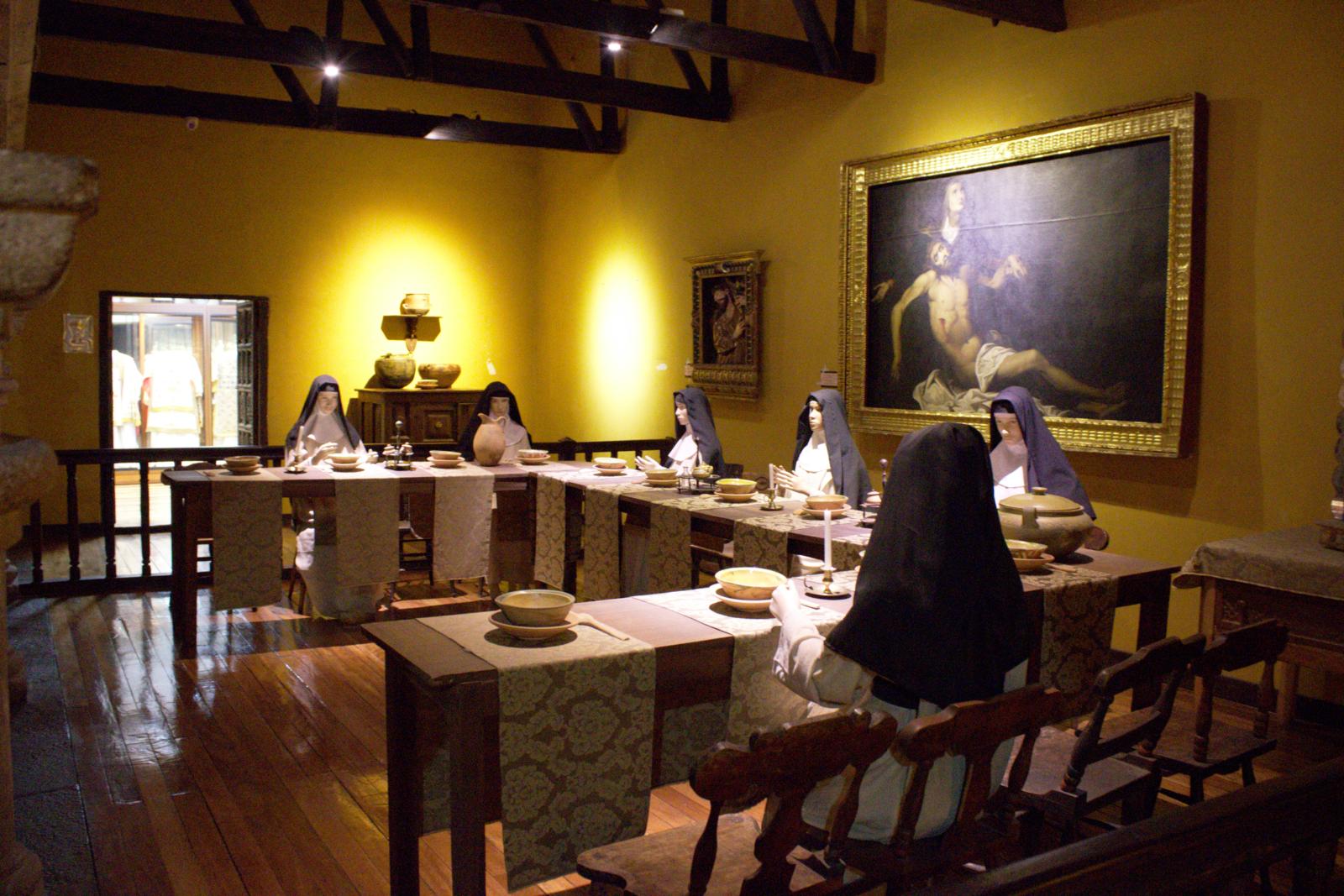
Credit: Ayrthon Jarufe.
Visiting the Monastery of Santa Catalina is to enter an essential part of Peruvian history. This monument, which has stood throughout the centuries, not only offers a glimpse into the past but also provides an enriching experience for any visitor who wishes to understand more about the culture and religion that have shaped the country. Be sure to explore every corner of this enigmatic place and discover for yourself the secrets it still holds!
Source: Monastery of Santa Catalina
Follow us on social media
Facebook | Instagram | Twitter | TikTok | YouTube