

Written by:
peru.travel
Wednesday, October 28, 2020
In this Page
It extends like a green blanket between the Andes and the Peruvian Amazon. The Cordillera Azul National Park, located between the Huallaga and Ucayali rivers, on the limits of the San Martín, Loreto, Ucayali and Huánuco regions, impresses with its virgin forest ecosystem and multiple species of flora and fauna, some of them absent in any other part of the world.
This paradise is also home to indigenous communities that welcome visitors who practice community tourism. Here, you can observe all kinds of mammals, reptiles and birds in the wild. You can discover its lagoons, hot springs and cloud forests, have a wonderful view of the place in the Chambirillo viewpoint and, above all, reconnect yourself with nature.
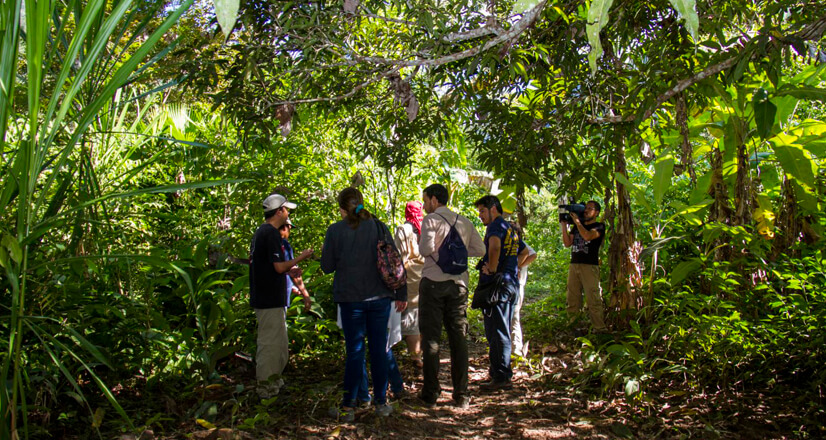
Tourists in the jungle of San Martín, in the Cordillera Azul. Credit: Fernando López / PromPerú
A unique charm
Although tourist activity is prohibited inside the protected area, it is allowed around the park. These areas offer beautiful natural attractions like the 'Laguna del mundo perdido' (Lost World Lagoon) located in Chuzuta and surrounded by endless vegetation. There you can visit the Manashahuemana hills, as well as the macaw clay lick, both located very close to the Pisqui River.
The Cinco Puntos mountains, the high-altitude swamps and the immense triangular plateaus are also part of the local route.
On the other hand, it is possible to know the culture and gastronomy of native communities such as Cacataibos, Shipibos and Mushuck Llacta de Chipaota. Is considered that in the future, this park could be a key site for tourism in the Peruvian Amazon.
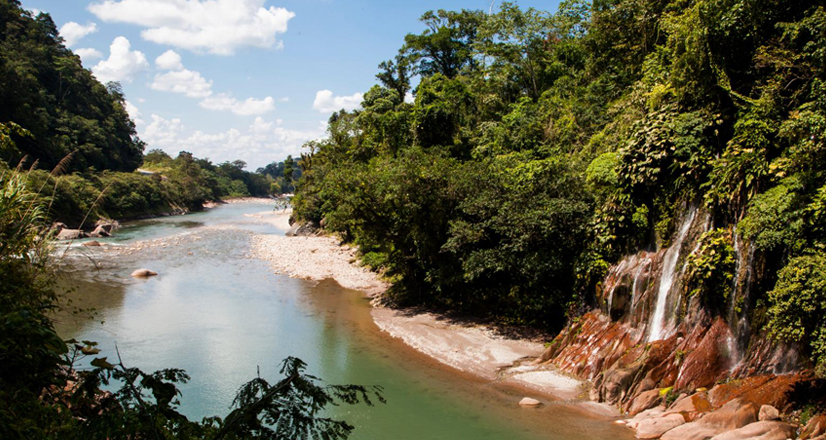
Waterfall and Yuracyacu River, in the province of Padre Abad, in Ucayali. Credit: Favio Ovalle / PromPerú
Diverse ecosystem
This natural area comprises a wide range of altitudes, ranging from 150 to 2320 meters above sea level, which, added to the peculiar geological formations, has resulted in a great variety of ecosystems. Based on studies carried out by researchers, it has been possible to identify 19 classes of habitats considered priority for conservation. Among them, different types of forests, swamps and lagoons.
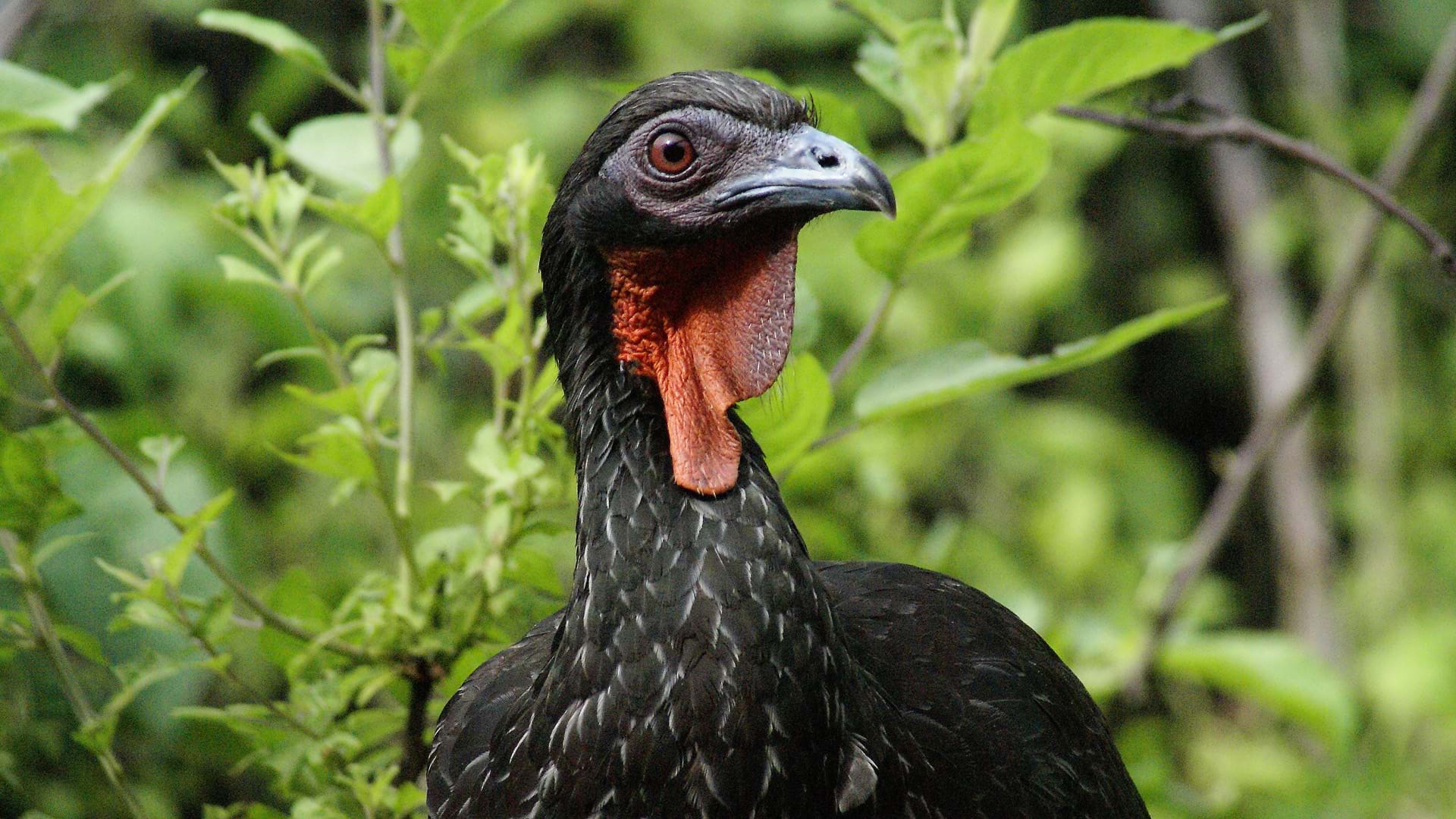
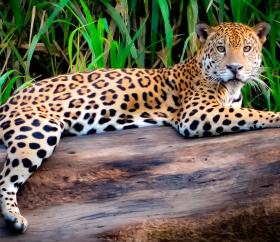
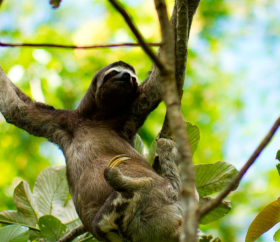
These habitats are home to countless species of flora and fauna. Currently, more than 6,000 plant species can be observed, including reeds, lianas, orchids, bromeliads, ferns, mosses and algae. Among the most common trees are mahogany, ishpingo, tornillo and the palo ajo. Also, 71 species of mammals have been identified; including monkeys, otorongos, pumas, Andean bears, tapirs, sajinos and red deers that constitute a large part of the park's animal wealth.
How to get there?
You must first travel to Pucallpa, capital of the Ucayali region, and then to the town of Aguaytía. From Lima, you can opt for the ground transportation service for a cost of 80 soles. The trip takes about 24 hours. You can also travel by plane, with a minimum payment of 225 soles (or 65 dollars, approximately). The itinerary lasts 1 hour and 25 min. Another option is to travel to Tarapoto -45 minutes by plane- and then go in a taxi or bus to the park. To enter, an authorization must be obtained from the National Service of Natural Protected Areas to the State (Sernanp).
The best time to visit the Cordillera Azul is during the dry season, between May and November. Generally, the weather is warm and humid, although in the higher altitude areas heavy rains tend to be registered.
_637383847532490708.jpg)
La Ducha del Diablo waterfall, in the province of Padre Abad in Ucayali. Credit: Favio Ovalle / PromPerú
Sources: Sernanp / INRENA / Redbus / TVPerú / Andina
Follow us on social media
Facebook | Instagram | Twitter | TikTok | YouTube