

Written by:
peru.travel
Friday, June 19, 2020
In this Page
When the Spanish conquerors led by Francisco Pizarro ended the Inca Empire, they had the mission of finding a place to convert it into the new capital of the occupied lands. The city of Jauja –in the central highlands- was initially chosen. However, its distant location to the coast and its altitude caused inconvenience to settle.
The group of explorers continued the search and discovered a valley with abundant water and extensive cultivation fields. A place close to the shores of the Pacific Ocean and with a good climate, which enchanted visitors and motivated it to be chosen as the political, cultural and financial center of the Spanish Crown. They called it la Ciudad de los Reyes (the City of Kings), to later be known as Lima.
This fertile and wide territory, known as the town of Rímac, in which about 20 thousand inhabitants resided, became the capital of Peru on January 18, 1535: a city that throughout its almost 500 years of existence gathers multiple singularities that will catch your attention.
A metropolis with the smallest church in the world
With 50 square meters, this small and colorful chapel, located in the Lima Center, is highly visited for its great cultural value. Inside is a main altarpiece and one of San Judas Tadeo –considered patron of work and of the impossible-, very frequented by faithful Catholics.
The only capital of South America with ocean views
Being a city located on the shores of the Pacific Ocean, the Lima authorities decided (in the sixties) to build a large coastal road that serves as a connection between the northern and southern districts. This important work, named as the Costa Verde, generated that the people of Lima have a greater and better access, from different points of the city, to the beaches so wasted in previous years.
Nowadays, this space is not only one of the most important tourist attractions in the capital of Peru, but it is also a favorite place for families and athletes who seek to disconnect from the city and spend a moment of relaxation and pleasure accompanied by a spectacular view of the sea.
A city with a great pre-Columbian past
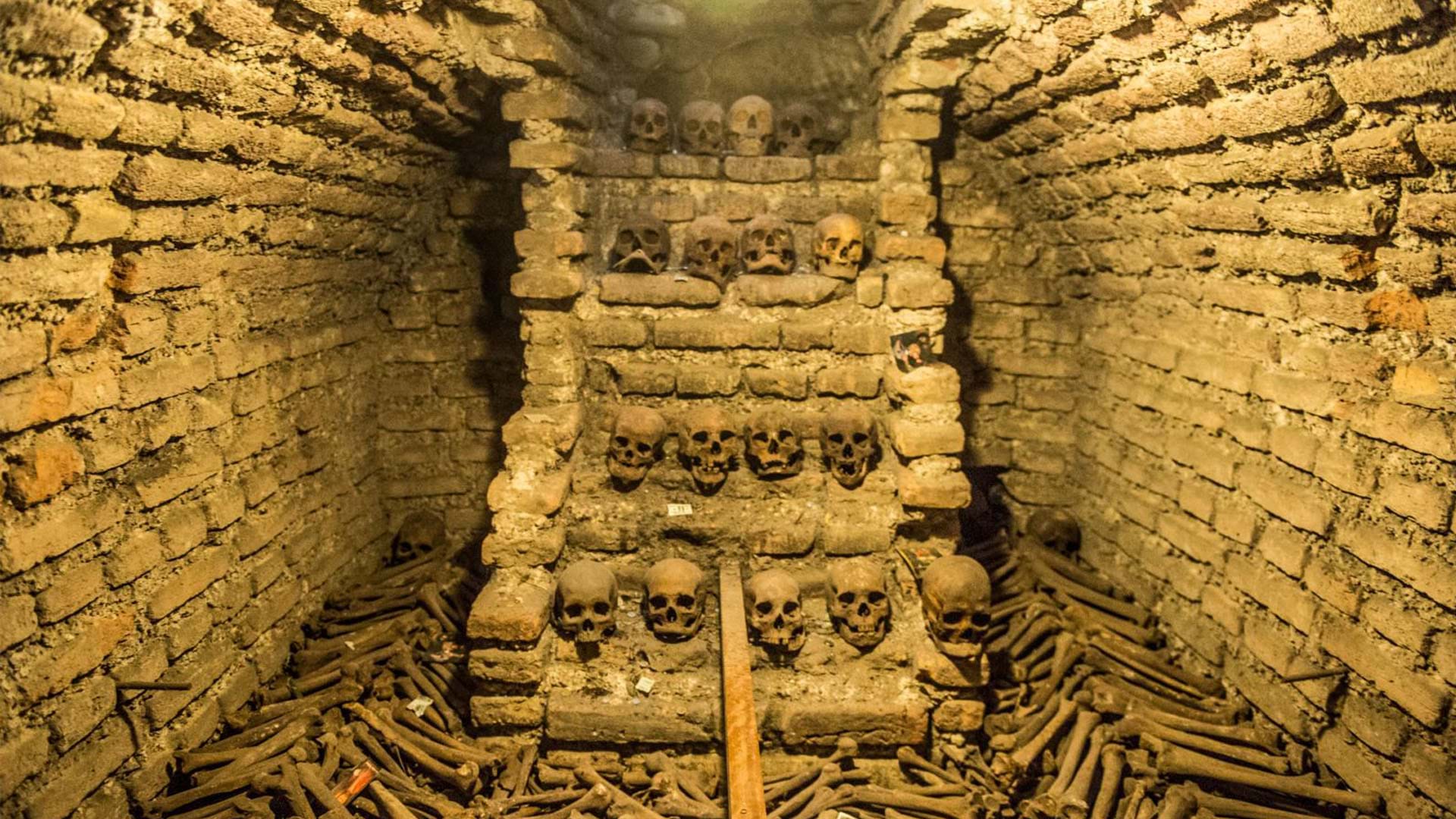
The history of the city of Lima does not begin at the time of the conquest of America, but thousands of years before. And, when visiting the capital of Peru, you can discover and tour more than 300 pre-Columbian huacas that are preserved in perfect condition. Vestiges that demonstrate the great value of the Lima culture developed in this place.
La Ciudad de los Reyes (The City of Kings)
Throughout time, it has been believed that this name awarded to Francisco Pizarro was due to his close relationship with the kings of Spain. However, it is attributed in honor of the three wise men.
According to historians, the search of the Spanish conquerors to find a place to establish the new capital of the Viceroyalty occurred in the first weeks of January, 1535, the same date that the three Wise Men set out for Bethlehem.
A medieval castle that you can visit
Located near the center of Lima, the Rospigliosi castle is highly visited by tourists. It was built in 1929 in order to give accommodation to the King of Spain Alfonso XIII during his visit to the capital of Peru.
Today, this building -which is very well preserved- is home to the Aeronautical Museum, where you can find not only part of the history of aviation, but also relics of medieval style.
A historic center surrounded by walls
During the viceregal period, Lima became the most important political and commercial center of the Spanish Empire in South America. Possessing large quantities of jewelery and precious metals, the city was the target of pirates who came from Europe with the intention of invading and plundering this wealth.
This motivated the construction of walls to surround the city to defend against possible attacks. Currently, you can see some remains that remain as vestiges in the surroundings of the old town.
A park for cat lovers
A place that in recent years has become an important meeting point is the Miraflores Central Park. In its spaces and gardens, not only do people come looking for a moment of distraction and recreation, but they have also become a resting place for hundreds of kittens of all breeds and colors.
Barranco, the hipster neighborhood of Lima
One of the most tourist spots in Lima is Barranco. Located south of the historic center, this small district is a meeting place for artists, intellectuals, young people and tourists who come in search of a bohemian atmosphere or fun with music and pisco sour in some of its rustic bars.
The tour also includes museums, bookstores, and independent fashion stores. These places, added to a charming and colorful architecture of old mansions, have made Barranco considered the neighborhood with the greatest tourist potential in Lima.
The city that misses the rain
Many of the visitors who arrive in Lima wonder why the sky always looks cloudy, but it rarely rains. This peculiarity, difficult to overlook, is due to the cold Humboldt current that reduces the temperature of the water on its coasts.
This climatic phenomenon produces a thick cloudiness that sits about 500 meters above the ground, which prevents the passage of sunlight. To this is added the proximity of the Cordillera de los Andes, which acts as a wall that prevents the passage of clouds, allowing them to 'stagnate' over the Lima desert without soaking its shores.
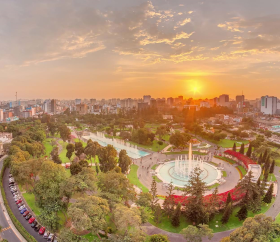
Despite this unique climate and the scarcity of rains, the city of Lima has multiple gardens and extensive parks full of greenery that somehow, especially in winter, supply the melancholy of a walk in the rain.
Sources: Andina / Medium / América TV / Radio Capital
Follow us on social media
Facebook | Instagram | Twitter | YouTube