

Written by:
peru.travel
Monday, April 17, 2023
In this Page
Peruvian gastronomy is unique for three factors: its history, the contribution of other cultures, and the environmental conditions for the germination of local ingredients. Therefore, culinary tradition in this country goes beyond the tasting of its delicacies, and becomes a travel experience that is an adventure by itself. In the context of World Food Travel Day, which highlights the importance of culinary cultures around the world (worldfoodtravel.org, 2019); let's learn more about the importance of this sector for the country's identity.
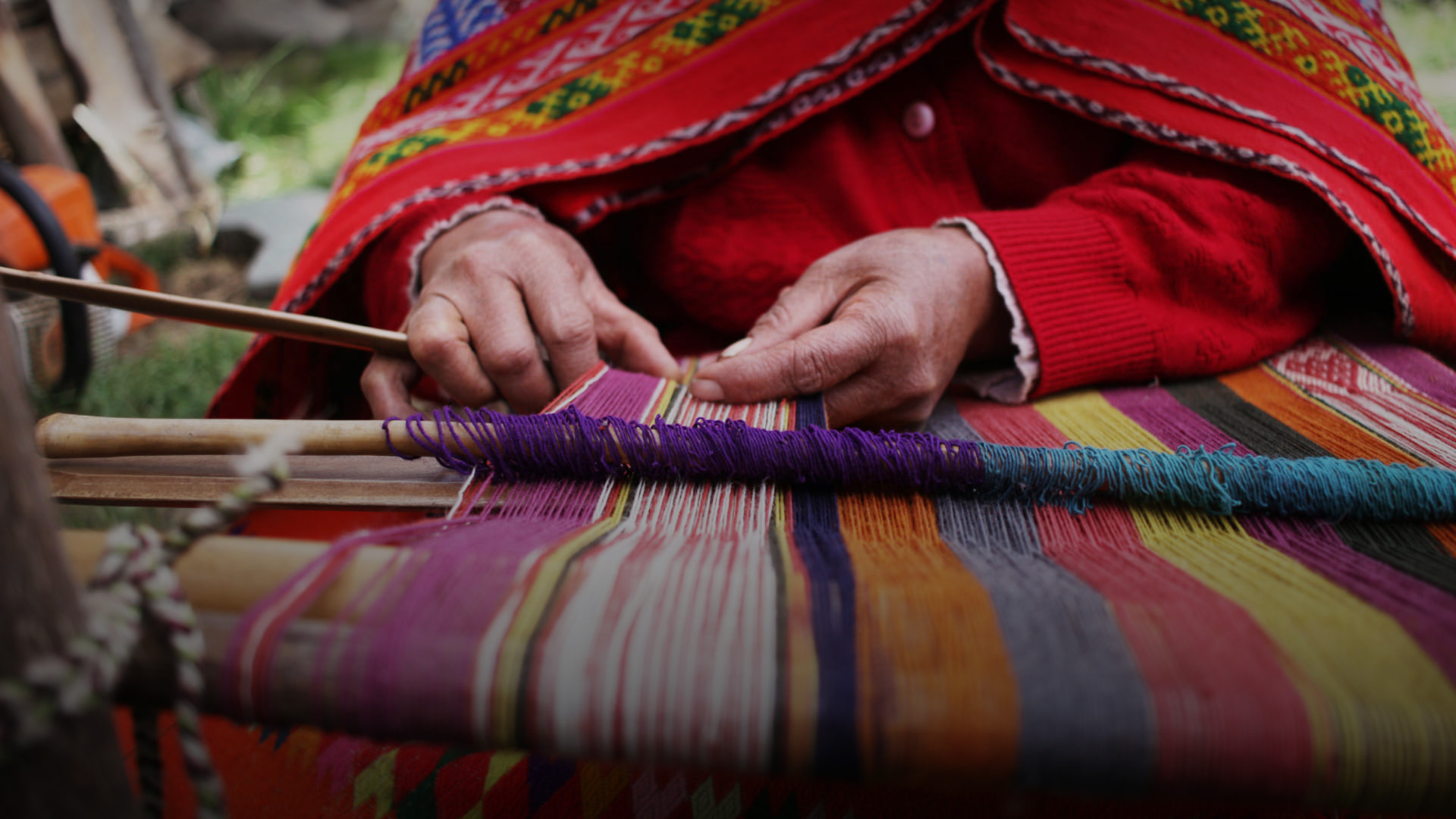
In the different regions of Peru, in the north, center, and south, gastronomy is a reflection of its identity, as it has a close relationship with the territory where the recipes, ingredients, and traditions are developed (Arista Zerga, 2020). One of the most representative cases is the Pachamanca, whose recipe has an ancient origin, since it was prepared by the Wari culture between 500 and 1 100 AD. From this original preparation and technique, a recipe has transcended and it can vary according to the destination in the Peruvian Andes, such as in Áncash, Ayacucho, Junín, Huancavelica, and Huánuco. Besides, this preparation also entails -in some cases- a celebration because this dish is also a way of thanking the earth.
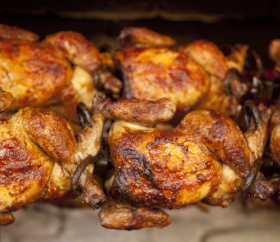
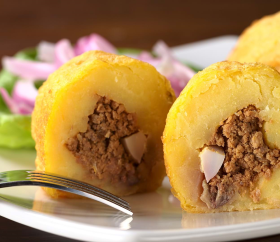
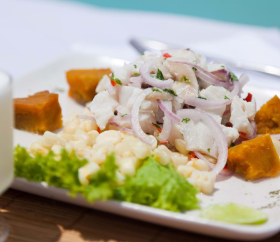
However, this national cuisine also enjoys cultural contributions from other parts of the world, where Spanish, African, Chinese, Japanese, and Italian immigration stand out (Peruvian Gastronomy Society, 2013). From the use of meats, the preparation of fish and seafood, to recipes that include pasta or flour for buñuelos, the reflection of different civilizations can be observed in dishes like tiradito, picarones, chilcanos, arroz chaufa, anticuchos, among others. There is a variety of dishes that arise from this heritage and today they enjoy worldwide culinary recognition.
It is also worth noting that Peruvian superfoods, used to prepare a large part of local recipes, are increasingly growing worldwide. Especially in the asparagus, avocado, unroasted coffee, grapes, and blueberries sector, 2022 marked incredible figures in exports. In many cases, the environmental conditions in the country make the cultivation of these ingredients possible, one more reason to highlight this cuisine.
In Peru, culinary culture is a popular heritage that represents the identity of the different cultures that compose it. When the country receives an award for its gastronomy, the entire society that contributes to the development of this sector does it too. Traveling through Peruvian territory is also perceive indescribable aromas you need to taste, know and investigate.
Sources: Cocina peruana: tradición, patrimonio cultural e identidad (2020), Adriana Arista Zegarra / Gastronomía peruana: patrimonio cultural de la nación (2020), Sara Beatriz Guardia / El boom de la gastronomía peruana (2013), Sociedad Peruana de Gastronomía / World Food Travel Day (2019)
Follow us on social media
Facebook | Instagram | Twitter | TikTok | YouTube