

Written by:
peru.travel
Monday, April 20, 2026
In this Page
If there is one experience that captures the imagination of nature lovers and adventurers, it is undoubtedly spotting the Amazon pink river dolphin in Peru. This extraordinary creature is one of the most iconic symbols of the Amazon basin. The reason? Its striking pink color, curious behavior, and unique habitat make it an unmissable treasure for those looking to explore the Peruvian Amazon.
Pink dolphin: A unique species in an exceptional setting
The pink dolphin inhabits the great rivers, canals, lagoons, and tributaries of the Peruvian Amazon. These creatures can reach up to 2.5 meters in length and live for several decades in their natural environment.
The journey begins at the port of Nauta, located about 100 kilometers from the regional capital, Iquitos. It spans approximately 300 nautical miles, navigating the areas surrounding the Pacaya Samiria National Reserve—the primary hub for specialized excursions that allow visitors to observe pink dolphins in their natural habitat.
One of the most important factors in planning your trip is choosing the best season for spotting pink dolphins. In the Peruvian Amazon, there are two major climate periods: the low-water season (or Amazonian summer) and the high-water season, both of which directly influence water levels.
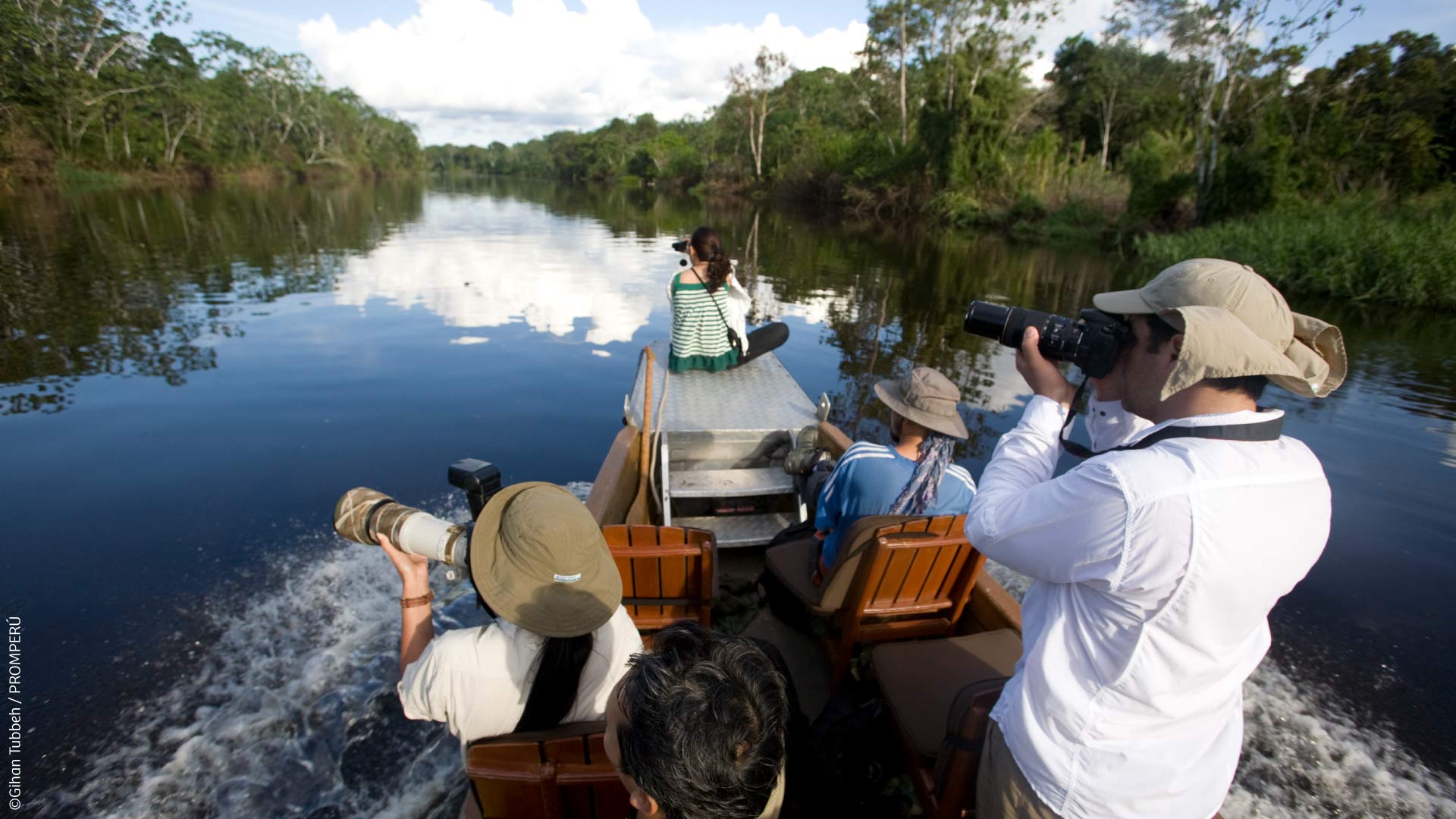
On excursion in the Pacaya Samiria National Reserve. / ©PROMPERÚ
Low-water season (May to October): During these months, water levels in the rivers and lagoons recede. This makes sightings from boats easier, as the animals tend to gather in accessible areas. Lower rainfall also improves navigation conditions through open channels.
High-water season (December to May): During this period, river levels rise and flooded areas expand considerably. High water levels allow the dolphins to move through secondary channels, floodplains, and waterlogged forests, offering a unique viewing experience among the submerged trees.
You may also like: Wellness, culture, and luxury: The new wave of Amazon cruises in Peru
Beyond the season, the time of day also plays a role in your chances of spotting dolphins. Tour operators recommend the following excursions:
Early morning: Just after sunrise, the river is calm, wildlife is at its most active, and the soft morning light is perfect for photography.
At sunset: Before night falls, many animals return to more open stretches of the river, increasing the opportunities for sightings.
Excursions are typically conducted in small boats or traditional skiffs, allowing for a quiet approach to the areas where dolphins feed or swim near the surface. Navigating with an experienced local guide not only increases your chances of spotting dolphins but also provides insight into the ecosystem, local customs, and the legends woven around these fascinating animals.
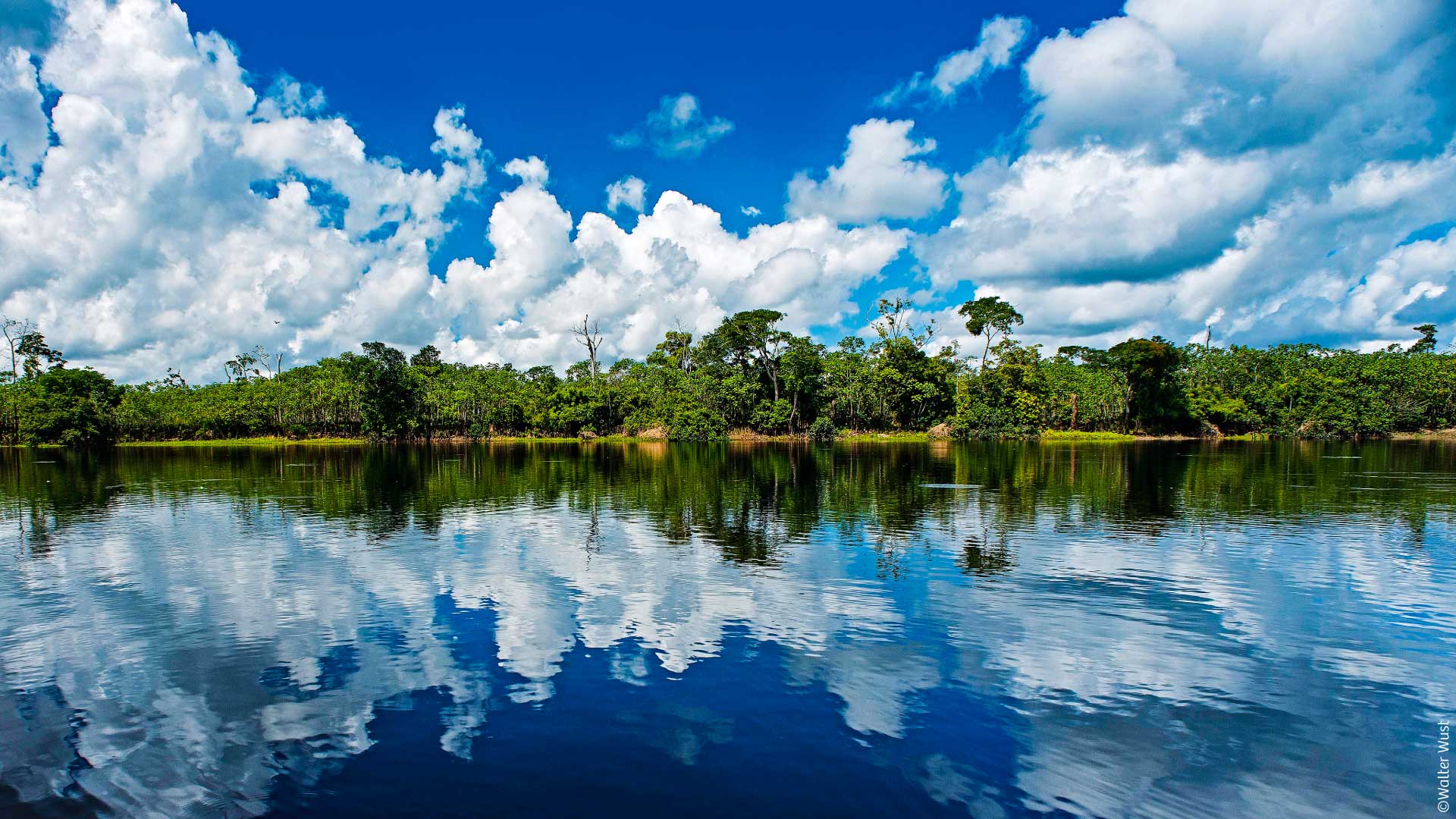
Pacaya Samiria National Reserve. / ©PROMPERÚ
Beyond Pacaya Samiria: Where else can you spot pink dolphins?
The Itaya river and the Amazon River confluence: Many tours head to this strategic point where dolphins frequently appear. Between February and May, your chances of a sighting increase thanks to river levels and more favorable environmental conditions. Throughout the rest of the year, encounters depend primarily on the weather and the natural dynamics of the river.
The Tahuayo River and Yacumama Lagoon: These calmer waterways attract dolphins seeking quieter, less-traveled areas—ideal for those desiring a more intimate connection with nature. Located near the port of Nauta, this lagoon is a hidden gem that provides a serene environment for observing wildlife.
Planning your trip with careful attention to the seasons, optimal navigation times, and the best sighting locations will help turn this dream into a truly unforgettable reality.
Follow us on social media
Facebook | Instagram | X | TikTok | YouTube