

Written by:
peru.travel
Monday, December 29, 2025
In this Page
In Peru, the solstices mark the beginning of winter in June, when the year’s shortest day is observed, and summer in December, the longest day of the year. The winter solstice holds deep ancestral meaning and is celebrated in the Andes as the Andean New Year, or Inti Raymi—a festival dedicated to the Sun god, Inti. Through ceremonies and rituals in cities such as Cusco, people give thanks for life and the harvests, and welcome the Sun’s return.
The summer solstice, in December, brings the longest day of the year and symbolizes abundance, vitality, and renewal. It is also a time to express gratitude to nature and to strengthen spiritual ties with Pachamama through community celebrations.
Cusco: Inti Raymi and the rebirth of the Sun
The Cusco region, the former capital of the Inka Empire, is the heart of the winter solstice in Peru, celebrated every June 24 with the majestic Inti Raymi, the Festival of the Sun. This ancestral ceremony honors the god Inti and marks the beginning of a new agricultural cycle.
Each year, thousands of travelers from Peru and abroad gather to witness the reenactment, which begins at Qorikancha, continues through the Main Square, and concludes at the impressive fortress of Saqsaywaman.
Beyond the spectacle, Cusco offers deeply meaningful experiences during the solstice: sunrise meditations at archaeological sites, energy walks through the Sacred Valley, and gratitude rituals honoring Pachamama, guided by Andean priests. Visitors do not just watch—they take part, feeling how history, spirituality, and landscape come together under the light of the Sun.
If you are in Cusco to experience Inti Raymi, it is also worth knowing that this is one of the best times to visit Machupicchu. The former Inka city enjoys ideal weather, allowing you to fully appreciate its dramatic scenery and the grandeur of this Modern Wonder of the World.
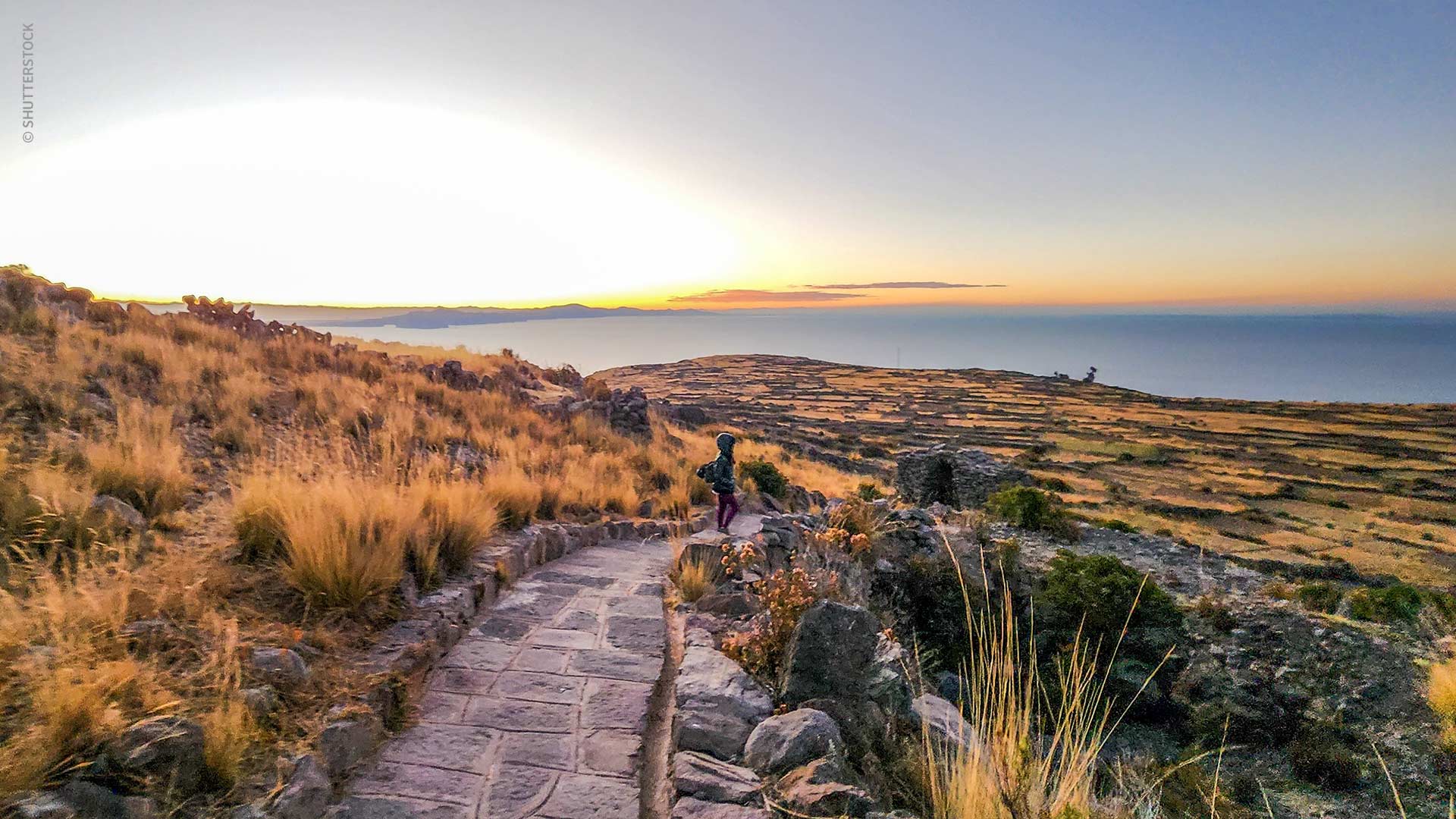
Amantaní Islands - © Shutterstock
Puno: Between Lake Titicaca and the Apus
Every June 21, the winter solstice in Puno is experienced in a unique way, shaped by the spiritual power of the high plateau and the presence of majestic Lake Titicaca, considered sacred by ancient Andean civilizations. During this time, local communities hold ancestral ceremonies of renewal and gratitude to the Sun, which visitors can respectfully take part in.
Welcoming the solstice sunrise along the shores of the lake or from islands such as Amantaní or Taquile is a deeply symbolic experience. Offerings to Pachamama, traditional songs, and fire rituals mark the beginning of a new cycle, all set against a landscape that radiates calm and mysticism.
For international travelers, the winter solstice is also an ideal opportunity to immerse themselves in Puno’s living culture. Alongside Andean ceremonies, visitors can enjoy rides on traditional boats across Lake Titicaca, stay with local families in community-based lodgings, savor highland cuisine, and explore colorful artisan markets.
The dry weather and clear skies of the season are perfect for photography, hiking, and nature observation, making the solstice the ideal time to discover Puno from an authentic, spiritual, and culturally enriching perspective.
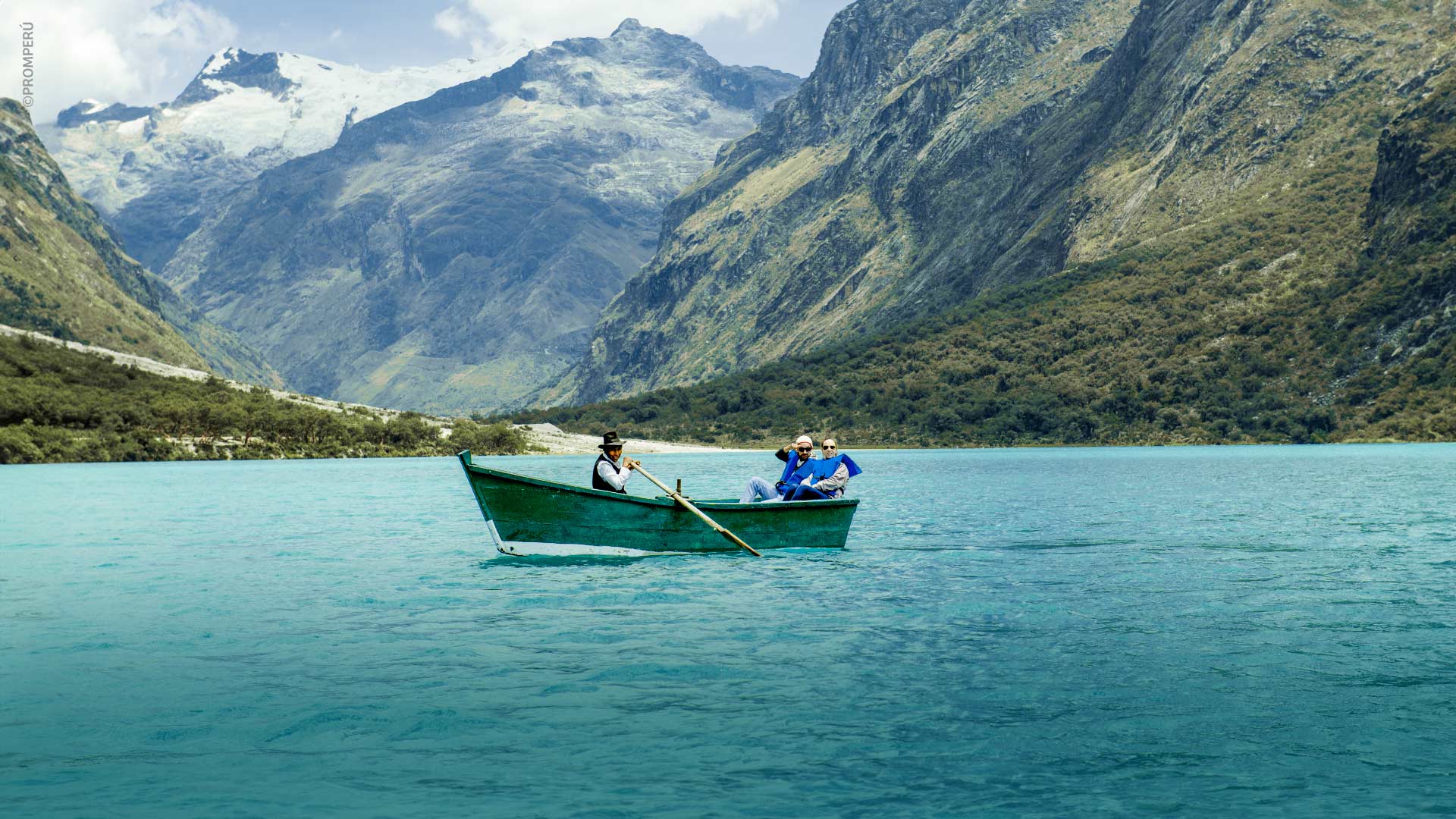
Tourists at Chinancocha Lagoon – Llanganuco Gorge. - © PROMPERÚ
Ancash: The solstice before the giants of the Cordillera Blanca
The summer solstice in Ancash, celebrated on December 21, marks the beginning of a season of abundance and renewed energy in the Andes. In this region, shaped by the towering Cordillera Blanca, the Sun takes on special meaning as it lights up snowcapped peaks, turquoise lagoons, and Andean valleys that come alive with the start of the rainy season.
You may be interested in: 5 activities you can enjoy in the Cordillera Blanca, the highest mountain range in the world
For local communities, this is a time to give thanks to Pachamama and the apus—the sacred mountains. Ancestral rituals, offerings, and ceremonies are often held, and visitors can observe or respectfully take part, connecting with an ancient worldview in breathtaking natural settings.
For travelers, the summer solstice is the perfect moment to experience Ancash through both adventure and quiet contemplation. Visits to the lagoons of Llanganuco, Churup, or Wilcacocha, walks through Andean villages, high-mountain landscape photography, and immersive community tourism all form part of the journey.
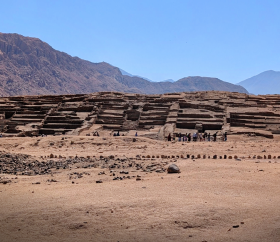
In December, when the Sun reaches its highest point and the longest day of the year unfolds, the Chankillo Archaeoastronomical Complex takes on special significance. From its famous thirteen towers, precisely aligned with the Sun’s path, visitors can witness how the celestial body marks the change of seasons—just as ancient cultures did more than two thousand years ago.
Watching this phenomenon is a truly unique experience, blending science, spirituality, and archaeology in the heart of Ancash’s coastal desert. The extended daylight hours allow travelers to make the most of outdoor activities, while local cuisine and close contact with living traditions deepen the connection to the region.
Experiencing the solstice in Peru is a journey of transformation. Whether among the sacred stones of Cusco, the mystical waters of Lake Titicaca in Puno, or the towering snowcapped peaks of Ancash, travelers discover that the Sun not only marks the passage of time, but also the rebirth of inner energy.
Síguenos a través de nuestras redes sociales
Facebook | Instagram | Twitter | TikTok | YouTube