
In this Page
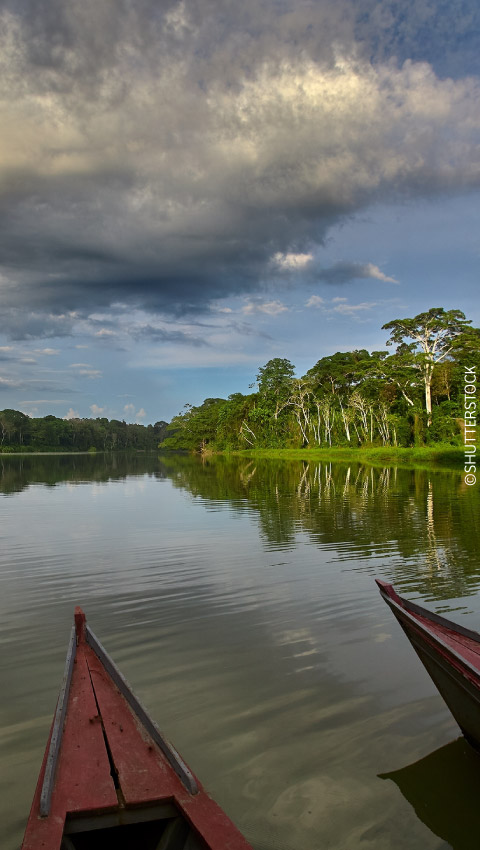
Experience the Peruvian Amazon in its most authentic form at Manu National Park. A UNESCO World Heritage site spanning the regions of Cusco and Madre de Dios.
Everything here seems to exist in its purest form: 228 species of mammals, 150 species of amphibians, 132 species of reptiles, 3 species of caimans, 210 species of fish, and more than 1,000 species of birds, all within a landscape that spans every climate from the tropical lowland Amazon to the frigid "puna" highlands at over 4,000 meters above sea level. Manu is also home to native populations that preserve their traditions; some of whom remain in total, voluntary isolation.
With secrets still waiting to be discovered, what Manu reveals to us is as magnificent as it is unforgettable.
Beyond its biological wealth, Manu is a living cultural landscape. Deep within its heart dwell indigenous communities that preserve ancient traditions and ways of life in perfect harmony with the natural world.
You may also be interested in: Anniversary of Manu National Park
The high Andean zone is inhabited by Quechua farming communities, while the Amazonian region is home to the Matsigenka, Yine, Harakbut, Yora (Nahua), Nanti (Kugapakori), and the "Mashco Piro" indigenous peoples.
The Mashco Piro, along with certain Matsigenka groups and other communities, remain in voluntary isolation or are in the initial stages of contact with broader society. This coexistence of pristine nature and ancestral cultures transforms Manu into a living laboratory of diversity, knowledge, and respect for the earth.
For travelers, Manu is synonymous with authentic adventure. Reaching its deepest zones means navigating winding rivers, trekking into dense forests, and living among sounds that seem to belong to an ancient world. Eco-lodges provide an intimate and responsible experience, while observation towers and macaw clay licks offer unforgettable wildlife encounters. Every sunrise in Manu is an invitation to discover a universe where everything is connected and where nature reveals its strength, beauty, and fragility.
Visiting Manu National Park is more than just a trip: it is a privilege. It is the opportunity to immerse yourself in one of the planet's last truly wild corners and to reconnect with the purest essence of life.

How to get to Manu National Park?
Route 1
Lima-Puerto Maldonado:
1 h 40 min approximately
Puerto Maldonado-Salvación:
1 day approximately
What to do in Manu National Park?
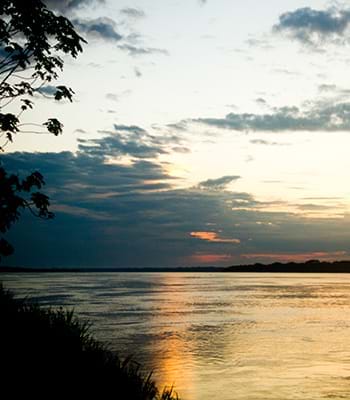
Visit the Tres Cruces viewing point and admire the sunrise.
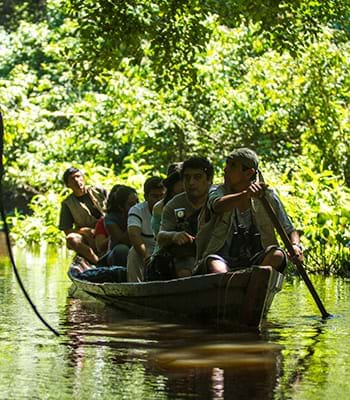
Travel by boat along Manu’s waterways and look out for caimans.
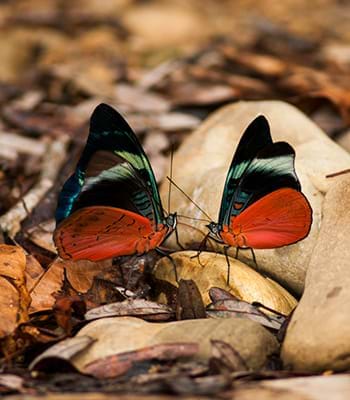
Observe some of the 1 200 species of diurnal butterflies.

General information
Times:
Dependent upon the operator(visits should only be made with SERNANP authorized agencies)
Price:
Foreign nationals: S/30
Adults: S/15
Children: S/8
Locals: S/8
Local children: S/8*Referential price
Essentials:
Yellow fever vaccination, sunscreen, camera, cash, light clothing, hat, sports shoes, sunglasses.Altitude:
304 meters above sea levelClimate:
Min. 17 ℃/ Max. 39℃