World Day of Biological Diversity
To gain a deeper insight into the meaning of biological diversity, the United Nations (UN) provided a precise description: "Biological diversity or biodiversity refers to the wide variety of plants, animals, and microorganisms, including genetic differences within each species," as affirmed on their official website.
With this introduction, it becomes easier to comprehend what is celebrated every May 22nd on the World Day of Biological Diversity: raising awareness and generating greater consciousness regarding the values, significance, and benefits that biodiversity brings forth.
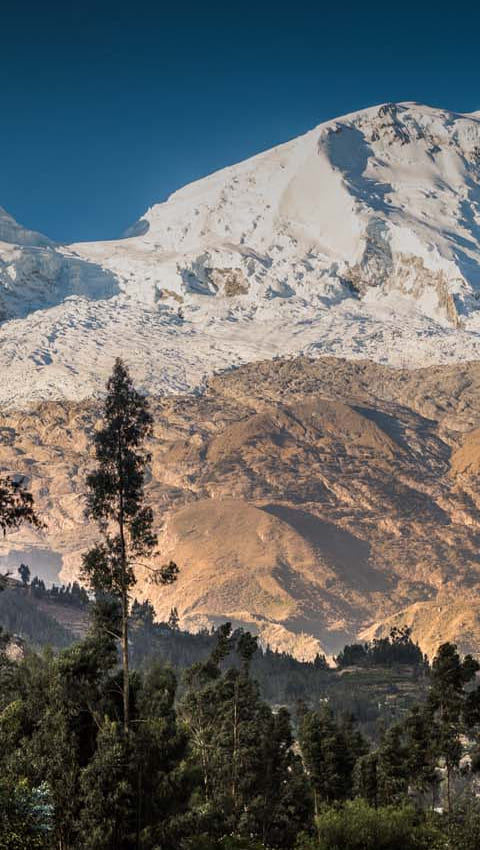
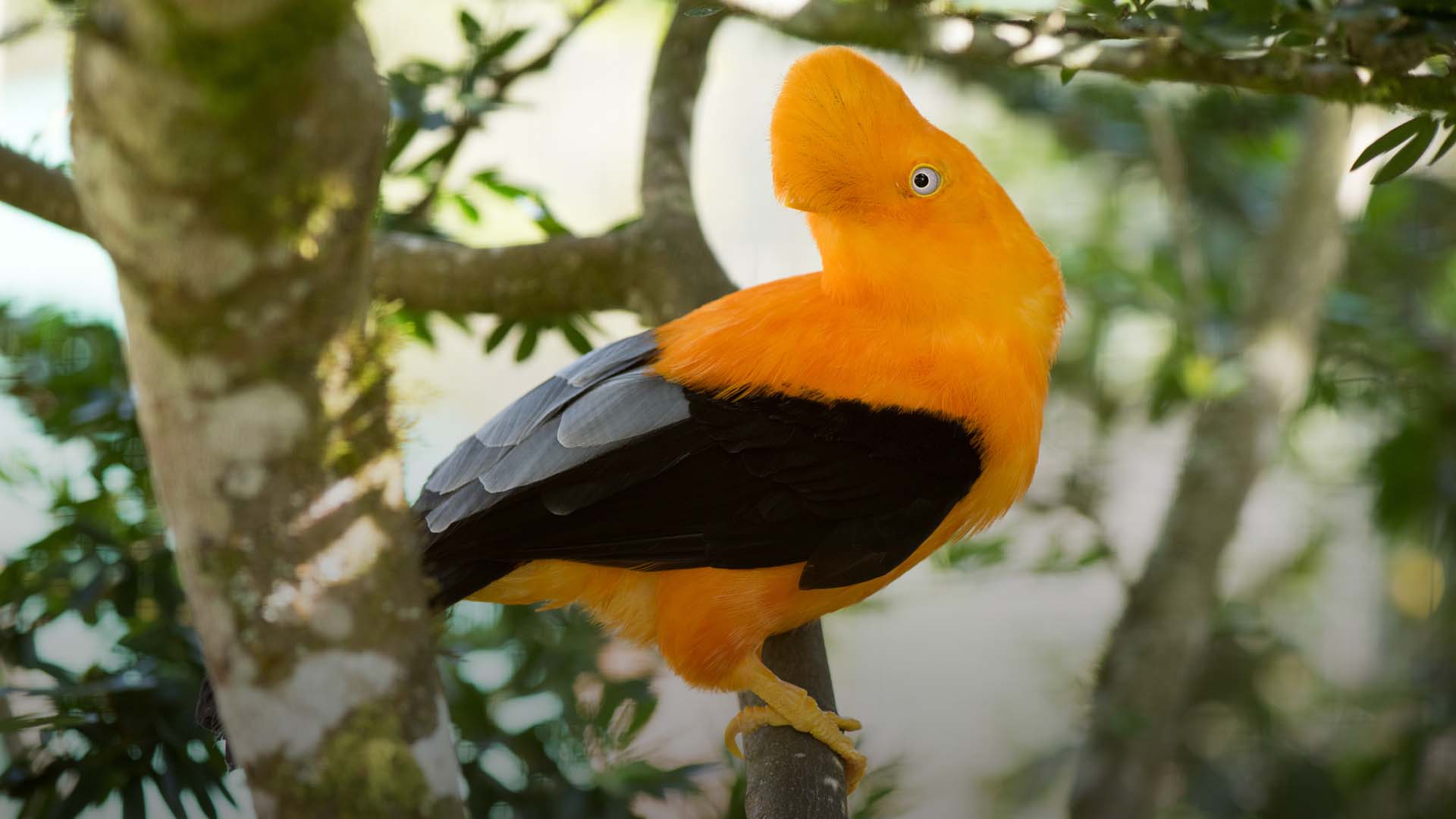
Proclaimed by the United Nations General Assembly on November 20th, 2000, citizen participation is encouraged to recognize the diversity of ecosystems, genes, and species worldwide. Peru stands out as one of the places with the greatest biodiversity (forests, lakes, deserts, and more) on the planet.
May 22nd was chosen as the date because it coincides with the anniversary of the approval of the Convention on Biological Diversity, declared by the National Secretariat of the United Nations in 1992.
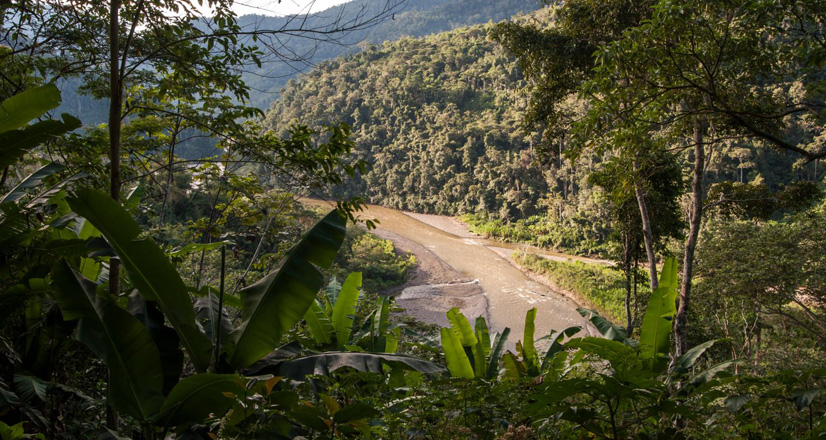
The Bahuaja Sonene National Park is one of the Amazonian paradises with the greatest biodiversity in the world. Credit: César A. Vega / PromPerú.
How is it celebrated in Peru?
Following the approach of bringing citizens closer to recognizing biodiversity, various activities and informative talks are organized in Peru to teach how biological diversity can be a part of daily life for communities. Festivals are organized to raise public awareness in a friendly manner, presenting successful experiences of sustainable use of biological diversity based on native products of Peru.
Among the favorites are aguaymanto, aguaje, tarwi, quinoa, kiwicha, among others, which are gaining popularity in commerce. Festival visitors have the chance to sample and purchase these nourishing foods. In addition to buying them in their natural form, dishes cooked based on these products are also offered, and enthusiasts can learn optimal preparation methods through hands-on lessons or recipe guides.
Activities are also prepared for children, including puppet shows, drawing and painting contests, as well as classic storytelling with themes related to biological diversity. Art enthusiasts can appreciate diverse photography exhibitions spotlighting Peru's fauna, flora, and ecosystems.
The Fact
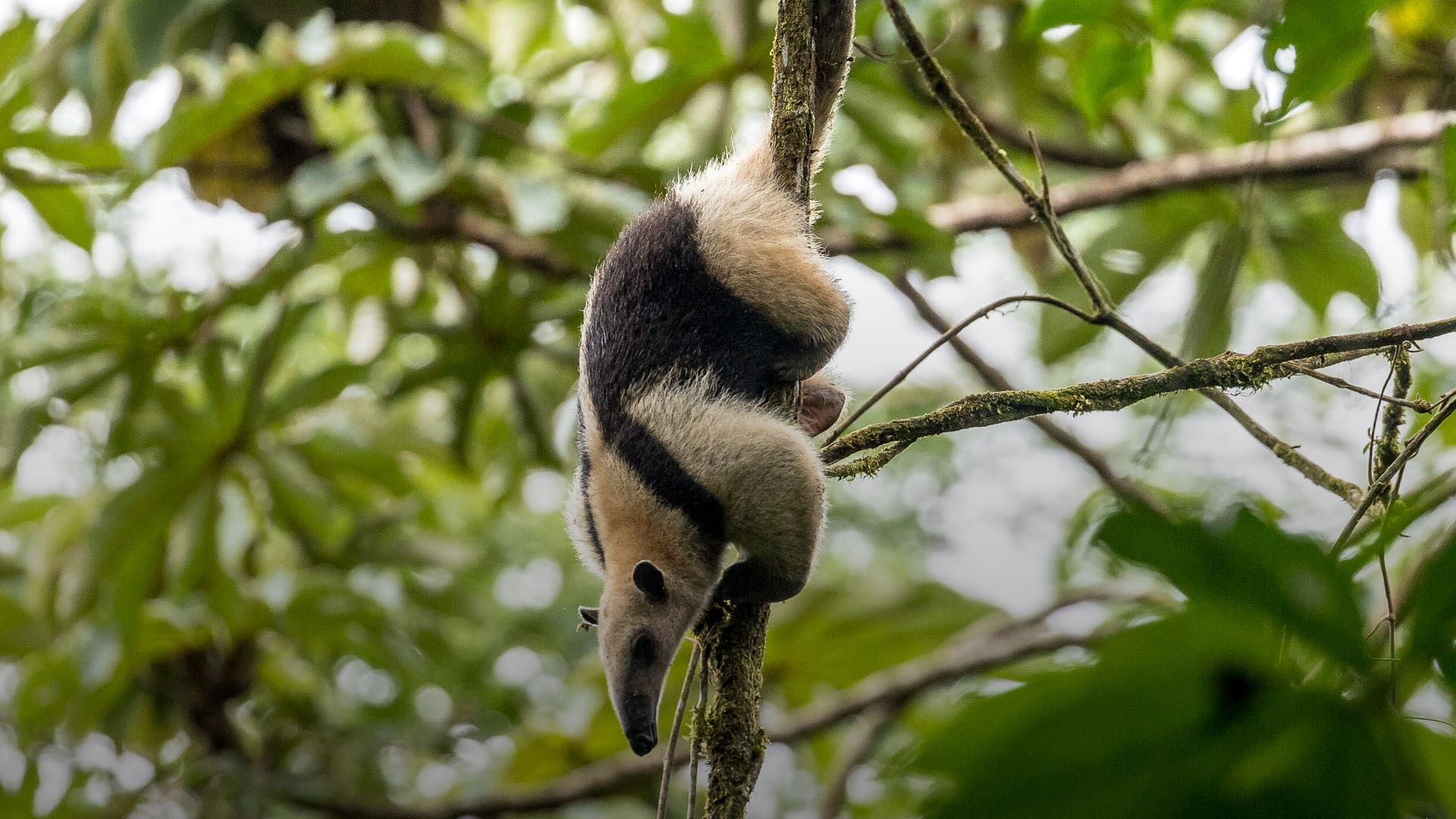
The Bahuaja Sonene National Park, located between Puno and Madre de Dios regions, is one of the Amazonian paradises with the greatest biodiversity in the world. Its territory spans over a million hectares, housing close to a thousand animal species like birds, reptiles, fish, and mammals. Moreover, it shelters approximately 20 thousand plant species within its confines.
Sources: United Nations / Minam
 Credit: Shutterstock
Recommendations:
- Organize your trips in advance.
- Hire a qualified tourist agency or tour guide.

General information
Essential:
Comfortable walking clothes, insect repellent, cash, sunscreen, water.Date:
May 22nd.Price:
Depends on the activity.Time:
Depends on the activity.Climate:
Depends on the location.