

Written by:
peru.travel
Friday, August 7, 2020
In this Page
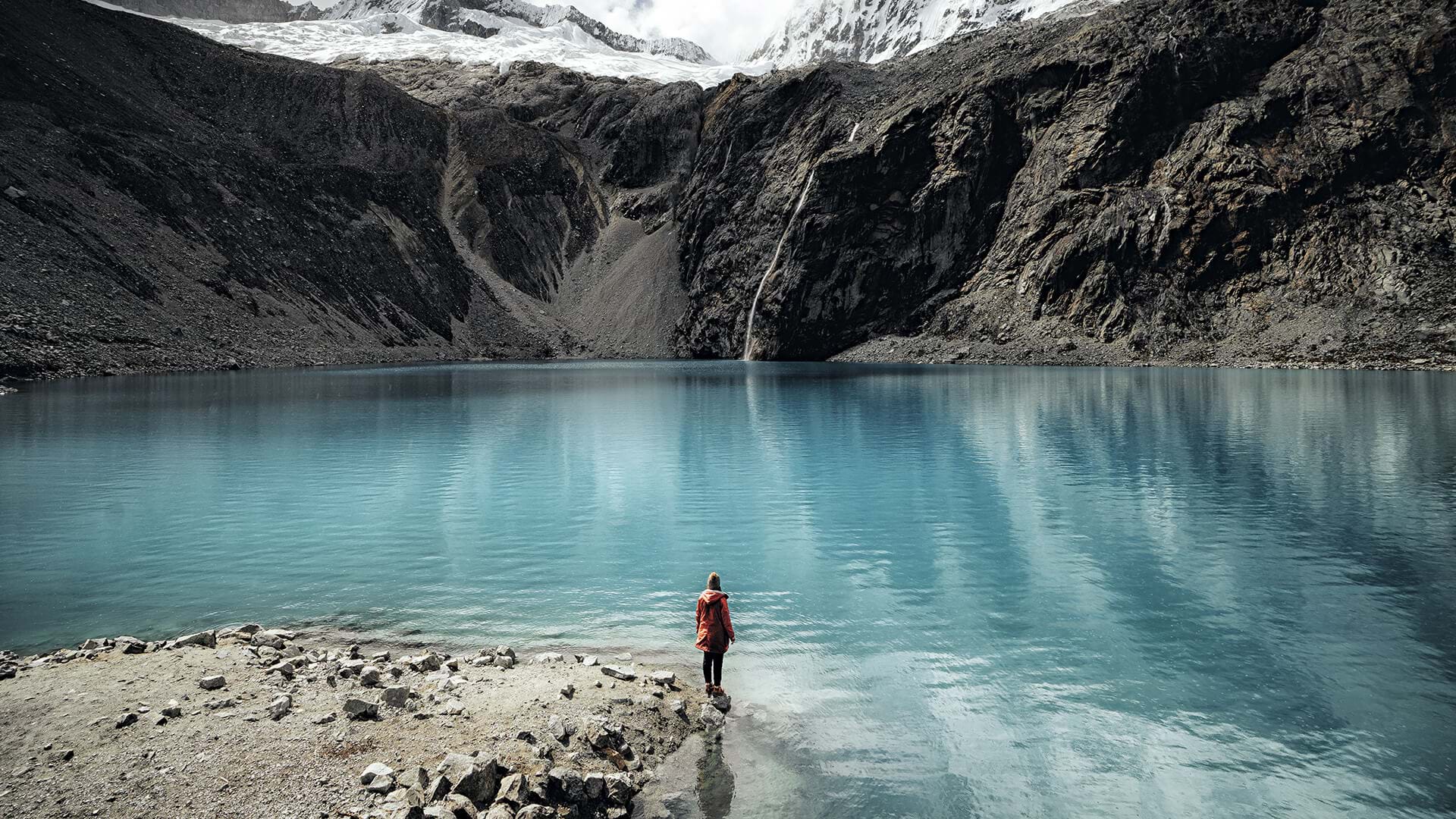
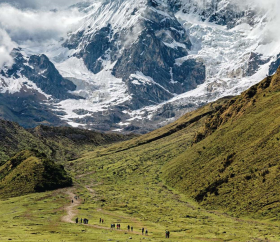
This park, immersed in the Cordillera Blanca in Áncash is an example of the great beauty of the Andean landscapes of Peru. At the foot of the snow-capped mountains, which make up one of the most beautiful natural settings in the world, important biodiversity develops; therefore, this area has been declared a Natural World Heritage Site in 1985.
This natural jewel not only houses multiple ecosystems and a large number of species of flora and fauna typical of the area, but it is also the site of important archaeological remains and beautiful landscapes. So, if you are a lover of nature and experiential tourism, you should not miss this fascinating destination, 300 km north of Lima.
The Cordillera Blanca
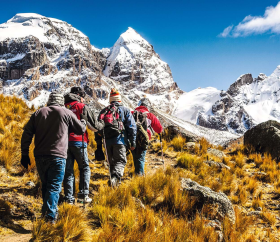
This chain of mountains is the highest in the Peruvian Andes and the world in the tropical zone. The altitude range of the Huascarán mountain ranges from 3,200 to 6,768 meters above sea level. The park is home to 27 snow-capped mountains that exceed six thousand meters, making it a very frequented place for mountain climbers and skiers from all over the world.
It also shelters the snowy mountain Alpamayo, considered one of the most beautiful in the world. However, this mountain is not the only geographical accident worth to mention: in the entire park area there are more than 500 glaciers, 269 lagoons and about 50 rivers that form landscapes and spaces of great scenic beauty and, at the same time, are ideal for practicing adventure sports and tourism in general.
Fauna
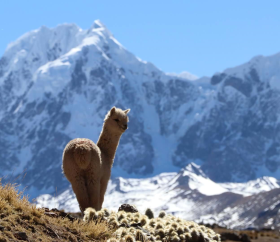
Among the animals that inhabit this place, the spectacled bear, the gray deer and the cougar stand out. Also, more than a hundred species of birds have been registered, distributed in more than twenty families.
The Raimondi puya
When touring the national park, you will find a great diversity of fauna where a particular plant stands out for its unique height: the Raimondi puya. Symbol of the flora of the Callejon de Huaylas, this bush of the bromeliad family can reach 10 meters in height and live for more than 100 years, being one of the most impressive plants on earth.
During its flowering process, which lasts for about nine months, the Raimondi puya is covered in colored flowers, its inflorescence process is one of the most impressive of the vegetable kingdom in the area. It owes its name to the Italian researcher Antonio Raimondi (1826-1890), who discovered it during his travels in Peru.
Archaeological remains
The Huascarán National Park is home to 33 sites of archaeological importance, of which the majority are pre-Inca and consist of tombs, viewpoints, platforms, buildings and irrigation channels. The Callejón de Huaylas was inhabited by cultures such as Chavín (1000 BC -200 BC) in the Early Horizon period, and Recuay (200-600 AD) in the Early Intermediate period.
Important details
To visit the park, it is recommended to leave the city of Huaraz. There are different accesses to enter the reserve: one of them is from the town of Llanganuco where you can visit beautiful crystalline blue lagoons and beautiful landscapes. Another alternative is through the town of Carpa in the direction of the snowy mountain Pastoruri.
Follow us on social media
Facebook | Instagram | Twitter | TikTok | YouTube