
In this Page
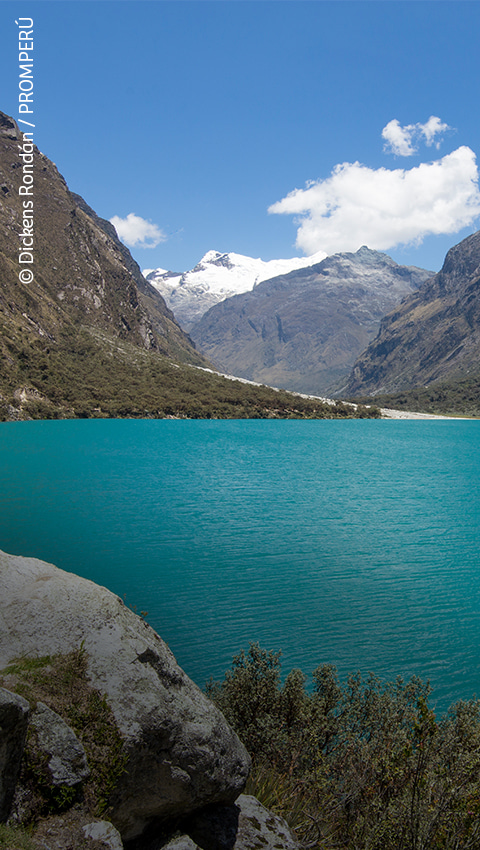
Guarded by the Cordillera Blanca and Cordillera Negra, Ancash is the perfect destination to connect with the Peruvian Andes and their ancient history. In this region at the north of Lima, lovers of mountaineering and trekking will find an experience unlike any other: it is home to the legendary Callejon de Huaylas and the beautiful Lake Chinancocha (Llanganuco). This is also the birthplace of the Chavin culture and its legacy, which can still be seen today. Ancash has much to offer to travelers, adventurers, and tourists, with even more waiting to be discovered
The Ancash region borders Lima, the capital of Peru, to the south. Despite its rugged geography, it is easily accessible: visitors can travel by bus or private vehicle, a journey of approximately eight hours, or fly to Anta (Carhuaz), followed by a 30-minute drive to Huaraz, the capital of Ancash.
Scenic beauty
Another feature that makes this destination so attractive is its access to the sea, where cities such as Casma stand out for their calm beaches and archaeological sites like Sechin, Chankillo, Las Haldas, and Mojeque. Chimbote is also noteworthy for its important port and for being one of the region’s main commercial and most populated cities. However, the treasures of Ancash that capture the most attention are hidden high among the mountains.
You may also be interested in: Trekking on Alpamayo Mountain
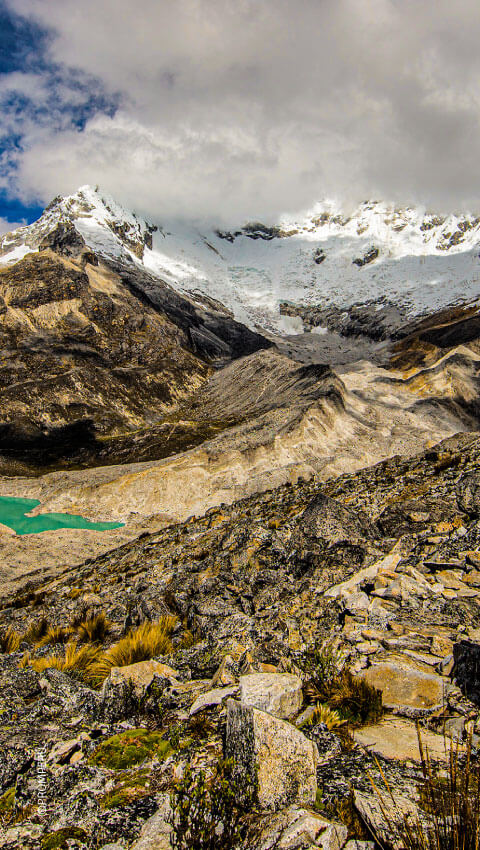
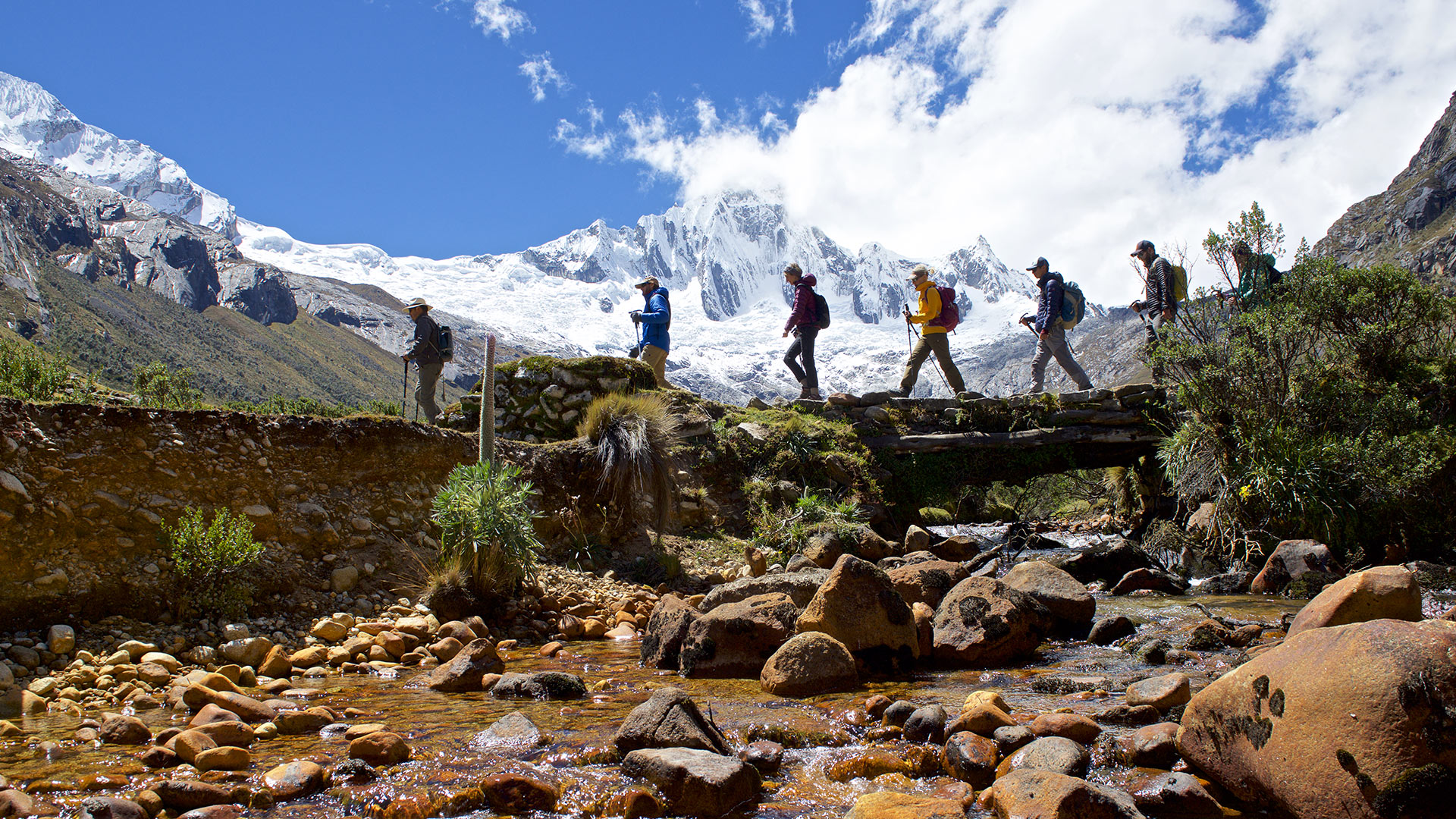
For example, the Callejon de Huaylas is a vivid reminder of what was once one of the routes traveled by the Inka Empire. Also known as the Santa Valley, it is a long and narrow valley shaped by the course of the Santa River, which originates in the waters of Lake Conococha. Protected by the Cordillera Negra to the west and the Cordillera Blanca to the east, this mountain range offers adventure sports enthusiasts the ideal setting for trekking.
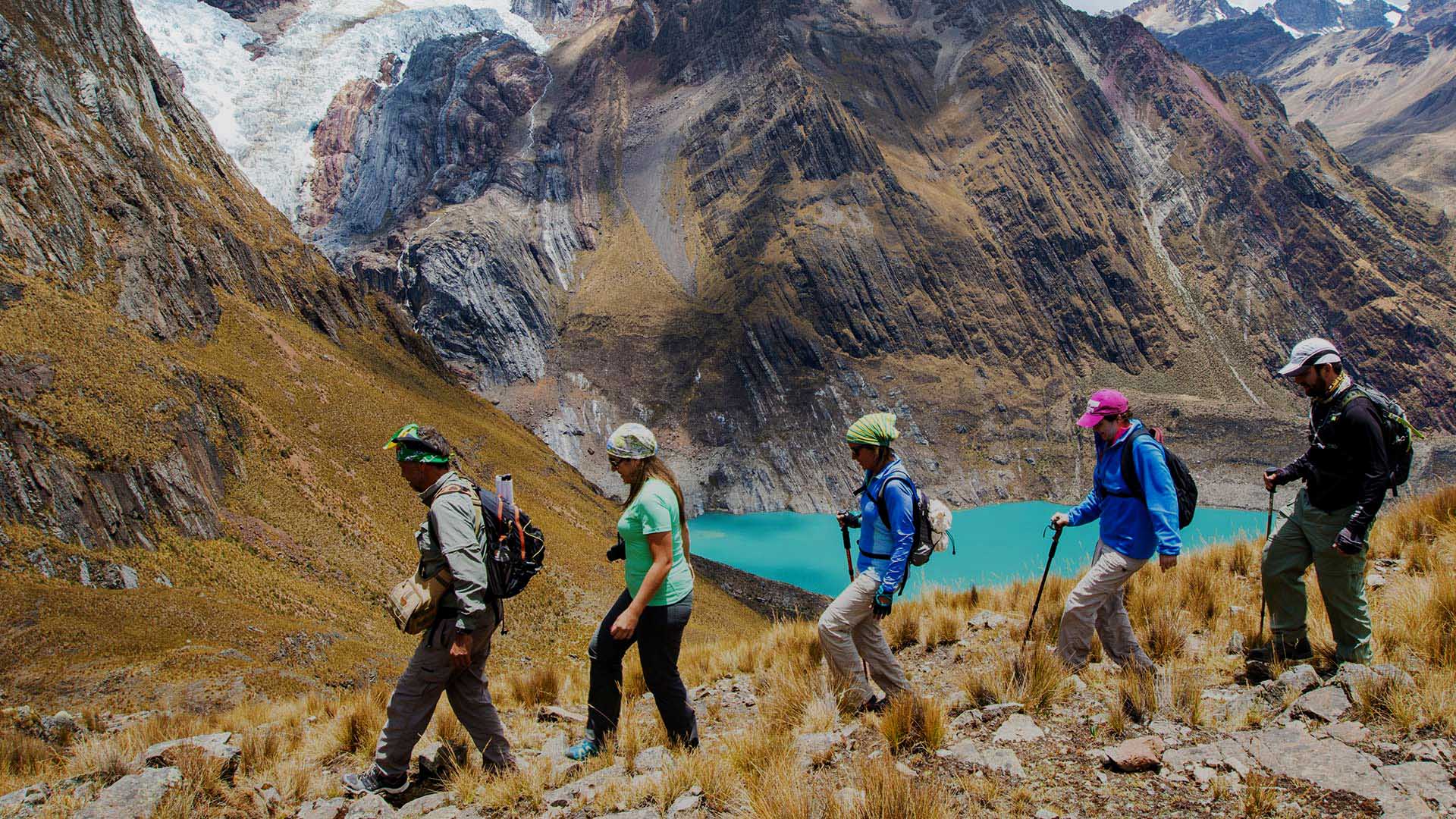
As you make your way along these long trails, you will be amazed by the landscapes unfolding before you: towering formations of earth and stone, their snow-capped peaks framed by vegetation and wildlife living in harmony with the charming villages scattered throughout the route. As if that were not enough, this area is also home to pre-Hispanic archaeological remains such as the Willkawain Archaeological Site, one of the administrative centers of the Huari culture.
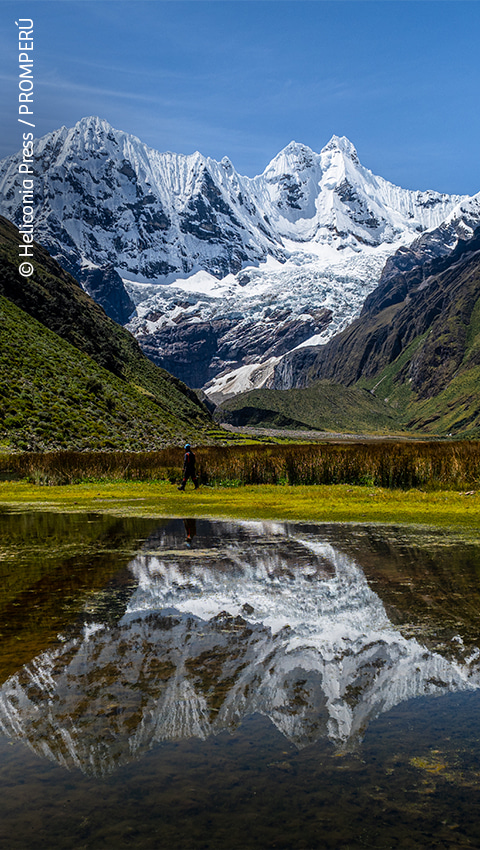
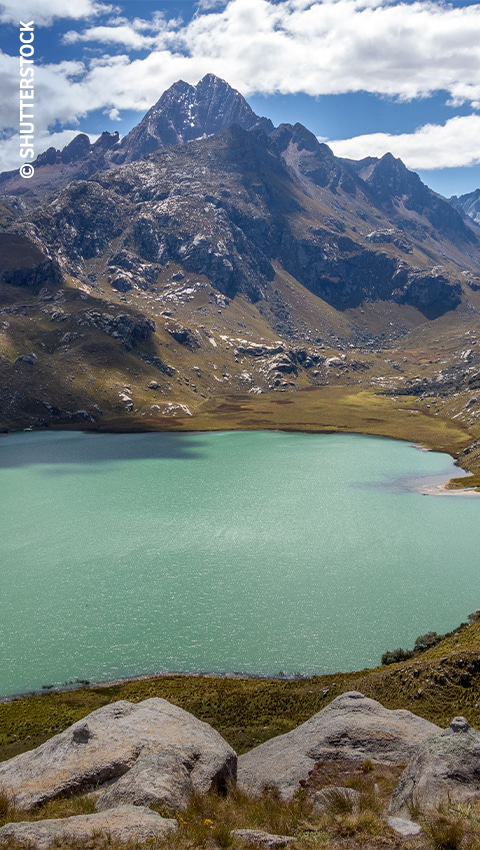
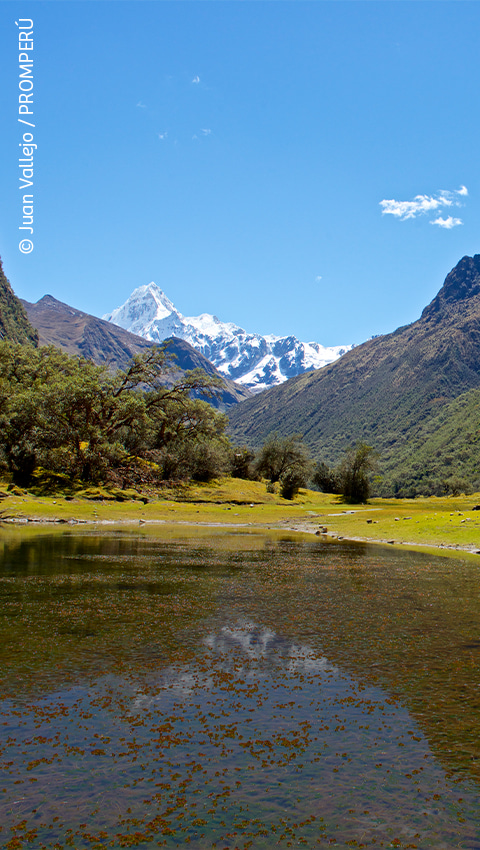
The waters of the lakes in Ancash resemble an extension of the sky, as you could easily mistake these water accumulations for mirrors. The Huascaran National Park, declared a World Natural Heritage Site, the enigmatic Chavin de Huantar archaeological complex, which served as a religious and administrative center for the Chavin culture, where the famous tenon heads and the Lanzón, the main deity of the Chavín culture, is exhibited. This is just a sample of the diverse adventures that exist, matching any tastes. So there are no excuses: there is a diverse range of hotels and tourist offerings so that no one misses out on experiencing and discovering the beauty of Ancash.
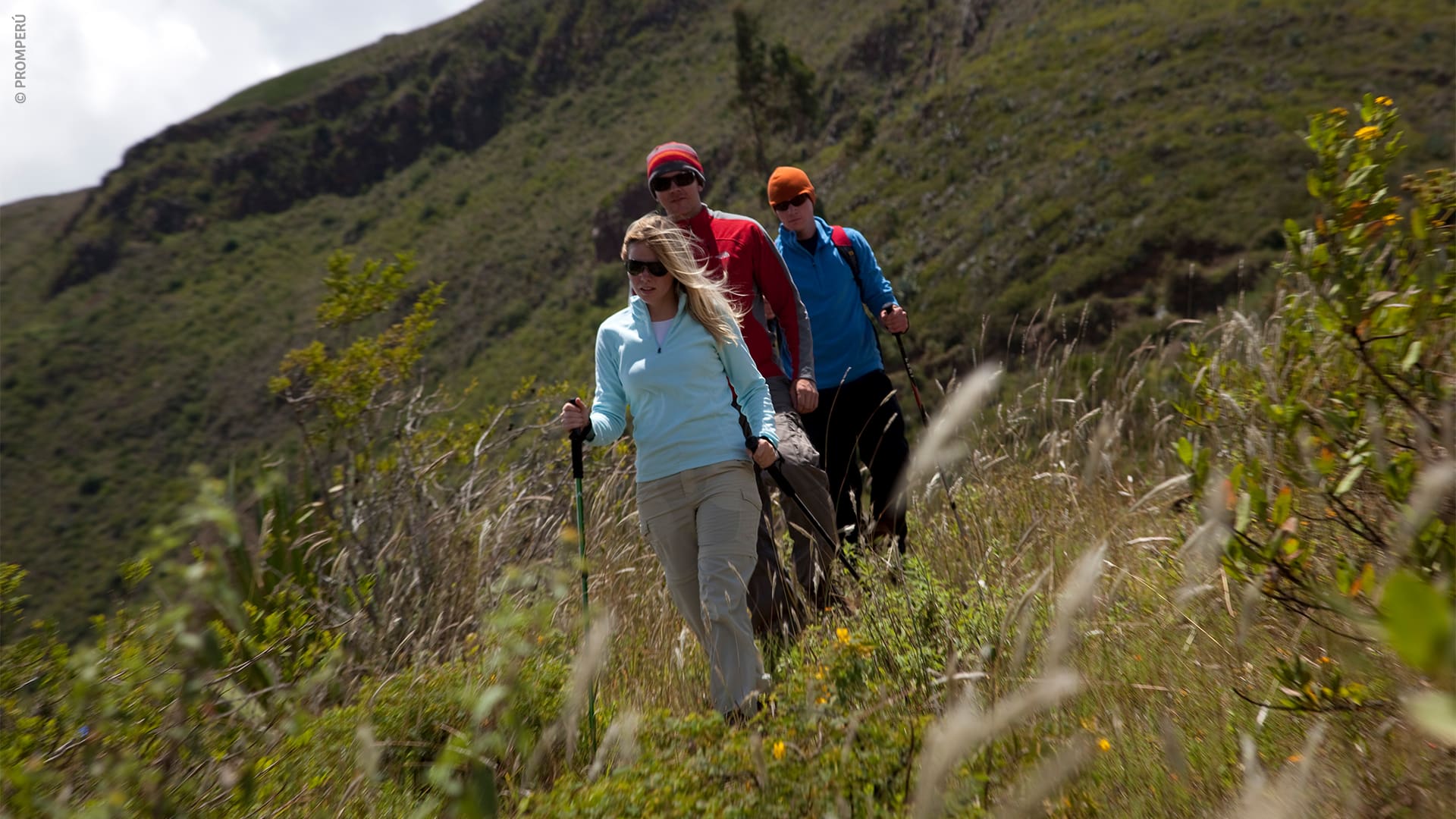
Trekking in the Callejon de Huaylas / © PROMPERÚ
How to explore Ancash and understand its geography before your trip?
If you are planning to visit Ancash on your next trip to Peru, it is important to become familiar with its location and characteristics. This region is a destination that combines coast, highlands, and sea, something relatively uncommon in the country. Checking a map before your trip will help you plan your routes better and decide which provinces to explore, as the Ancash department is divided into 20 provinces and 166 districts, each offering unique attractions.
Curious travelers may find it useful to know how many provinces Ancash has or what its capital is when planning an itinerary. The capital is Huaraz, a city with a wide range of hotels and restaurants, making it an ideal starting point to explore the Callejon de Huaylas and the Huascaran National Park, with its beautiful turquoise-blue lakes and impressive snow-capped peaks.
A useful tip for travelers arriving from Lima: if you are wondering how long it takes to travel from Lima to Huaraz (the capital), the road journey takes around eight hours. However, the route is highly scenic, offering views of the transition from the coast to the impressive Andean landscape.
Ancash is also home to important ports such as Huarmey, Casma, and Chimbote. If your trip includes the coastal area, do not miss the chance to explore its marine cuisine, famous for fish and seafood dishes, as well as its quiet beaches and archaeological sites. For culture lovers, carrying a map of Ancash, including its provinces and districts, will make it easier to navigate archaeological sites, traditional towns, and trekking routes.
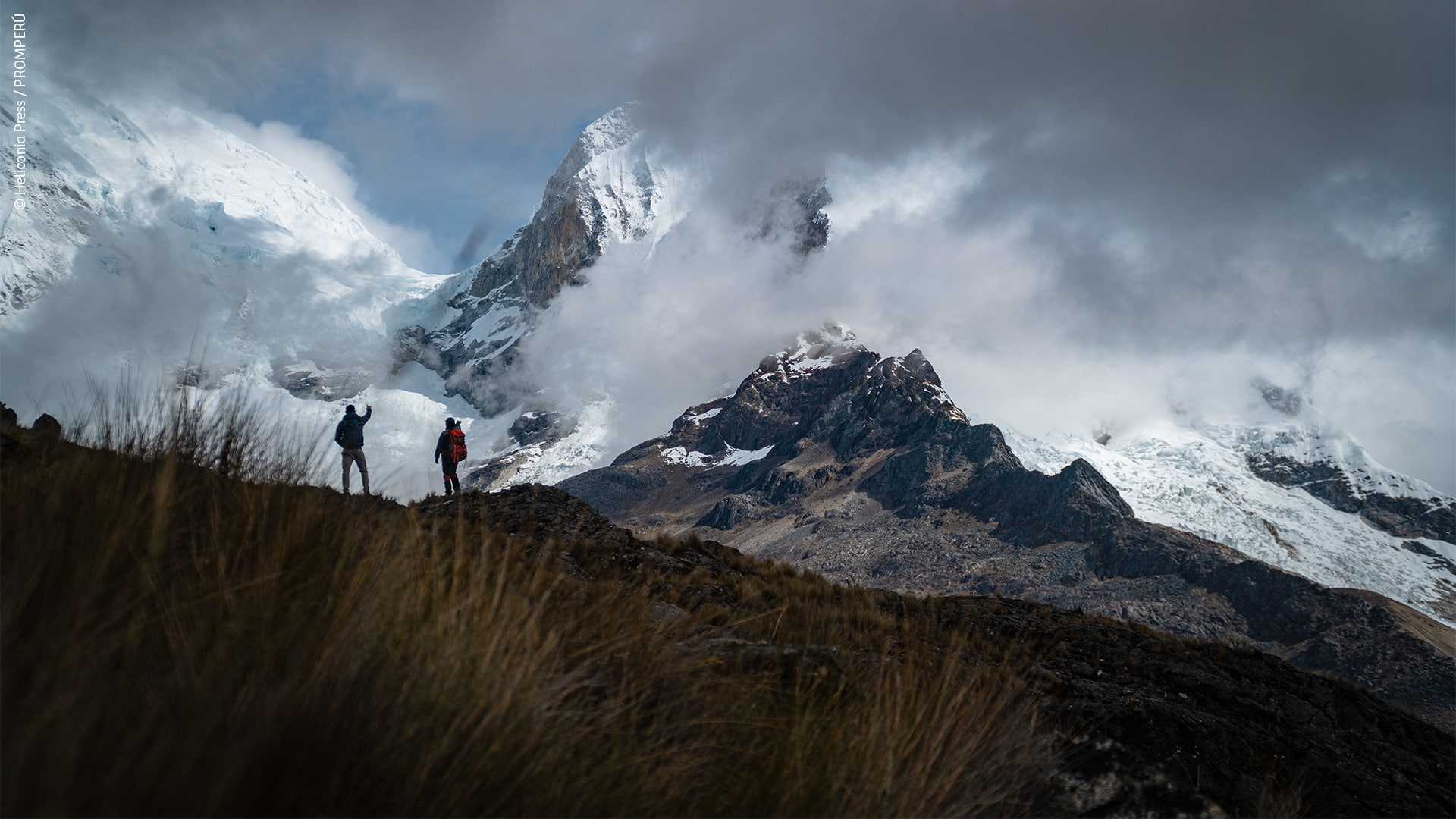 Cordillera Blanca, Áncash
How to get to Áncash?
Route 1
Lima - Ancash
8 h approximately
Lima - Anta (Carhuaz-Ancash)
Approximately 1 hour