
Written by:
peru.travel
Wednesday, June 24, 2020
In this Page
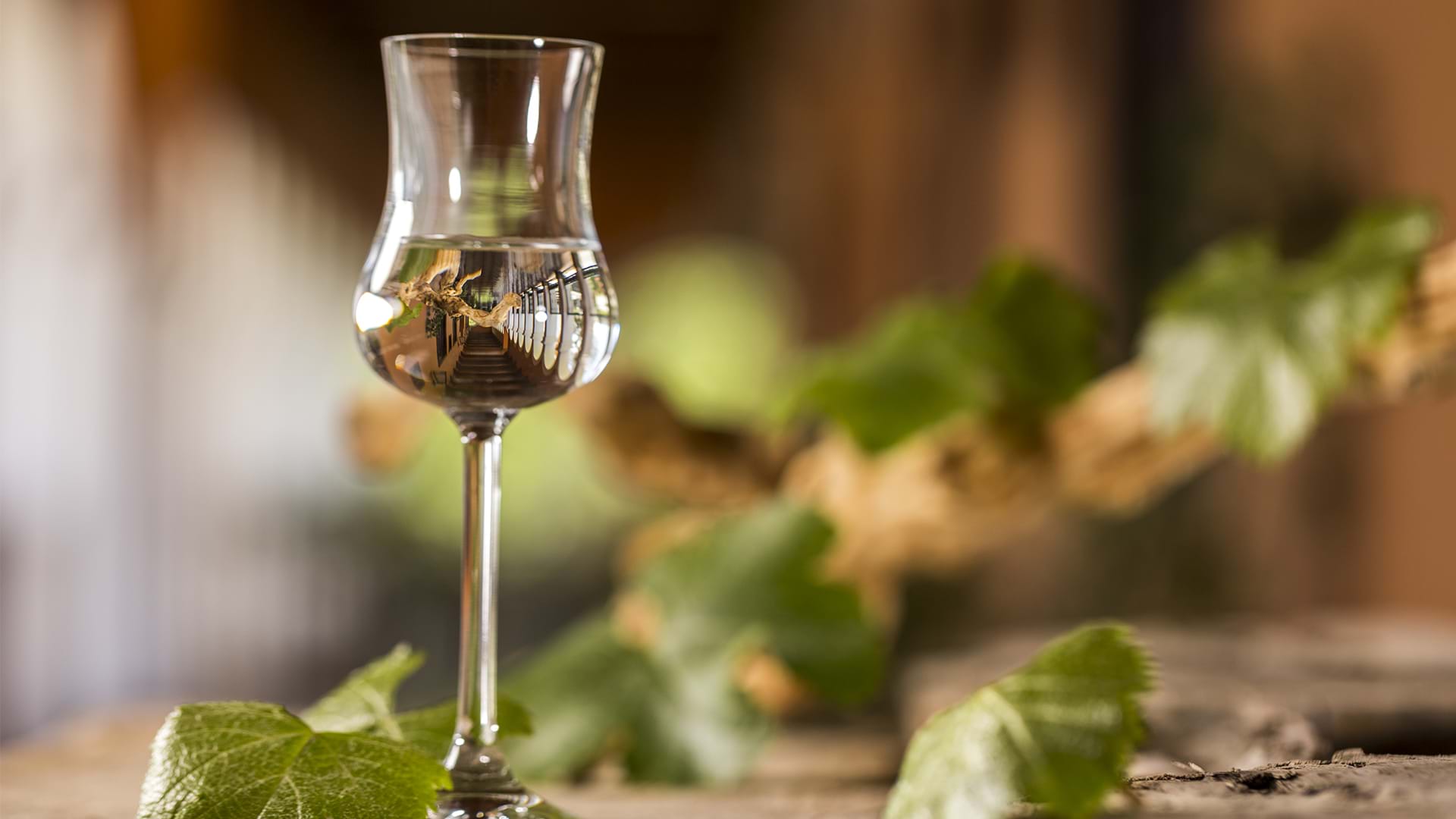
If there is a liquor in the heart of every Peruvian, that is, without a doubt, pisco. And it is that the drink flag of Peru is always present in every celebration, social gathering or accompanying a plate on the table. The tradition of toasting with this grape distillate has increased production and exports, and the pisco industry currently has more than 800 producers, most of whom still maintain ancestral methods for the production process.
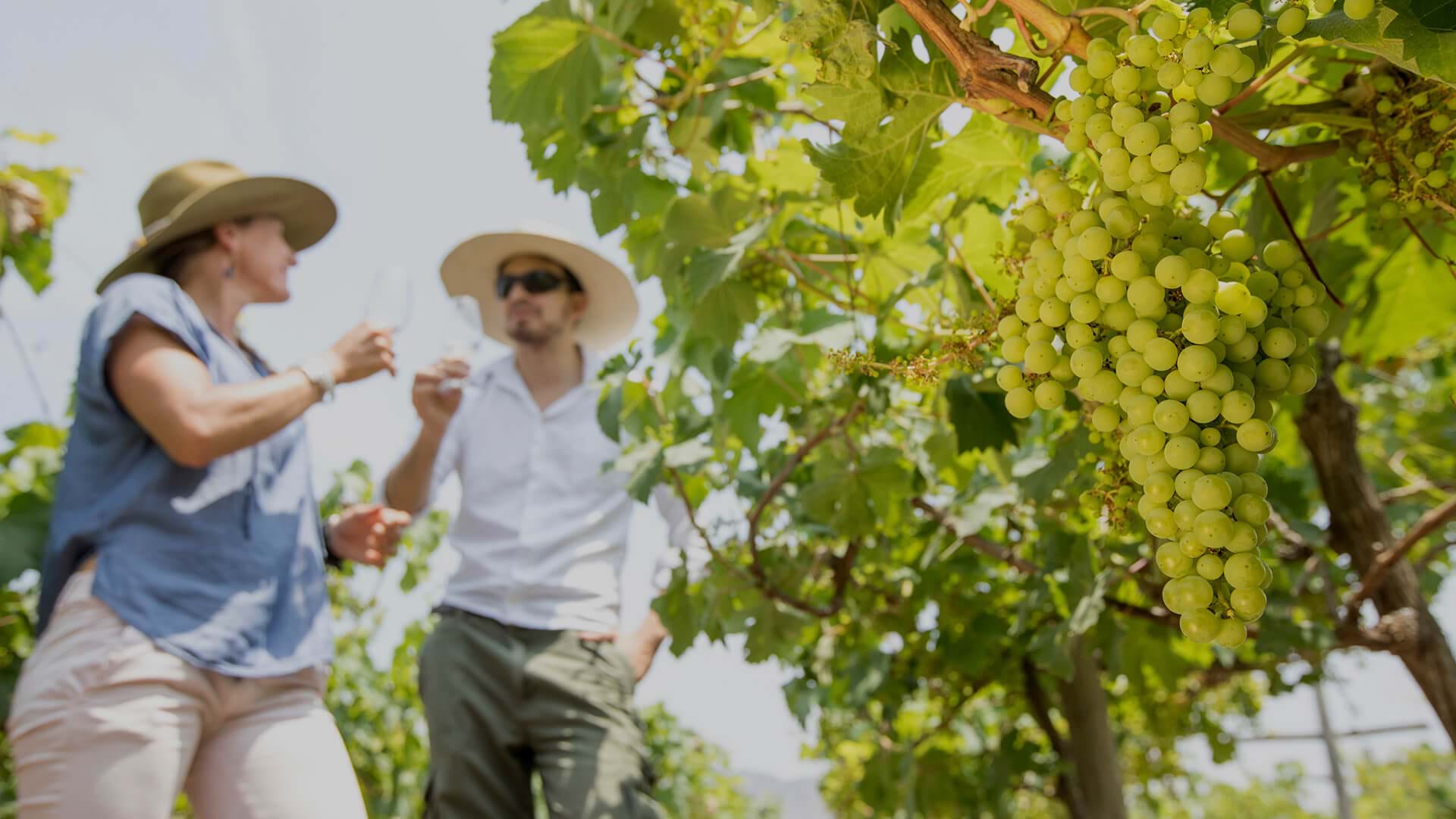
The coastal area of Peru is the ideal place for the production and cultivation of the vines. Departments such as Lima, Ica, Moquegua, Arequipa and Tacna are optimal regions due to their dry climate and minimal temperature changes, which allows that the planting and distillation process of the eight types of pisco grapes -Quebranta, Negra Criolla, Mollar, Uvina, Italia, Torontel, Moscatel and Albilla- have a high quality.
However, it is in the wineries specifically where all the production of this drink originates. Each one with a different peculiarity, but the same purpose: to leave the name of Peru high.
Wineries with history
La Caravedo distillery
This vineyard located in Ica has its origin in 1684 and is considered one of the oldest distilleries in America. Here, traditional pisco-making practices such as grape treading are combined with modern technology. The final result is tasted after three months: a world-class distillate that then will be bottled.
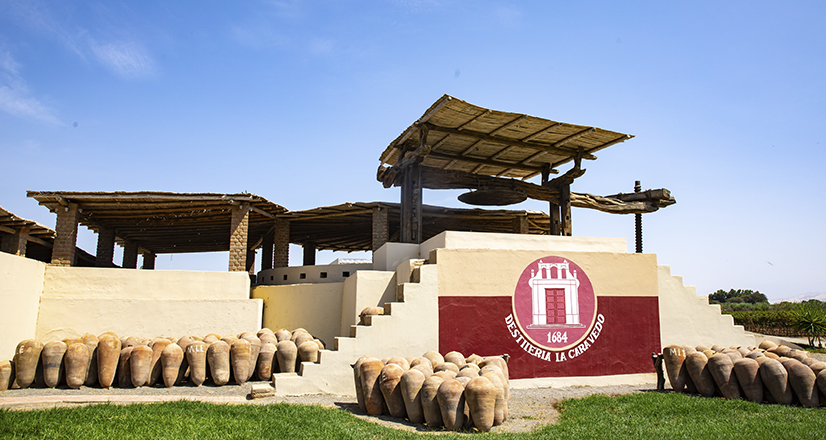
The La Caravedo distillery is almost 350 years old. Credit: Karina Mendoza / PromPerú.
Taberna Queirolo
This traditional winery - one of the best known in Peru - had its origin in Pueblo Libre (Lima). It was there that the Queirolo family -from Italy- settled and founded a tavern in charge of the production of wines and pisco. After a resounding success, the business moved to Ica where it currently manages one of the most beautiful vineyards in the country and where you can enjoy an attractive pisco tasting.
Hacienda Quilloay
Promoted by Pepe Moquillaza - pisco producer and ambassador of the Marca Perú (Peru Brand) - this winery is one of the most traditional and oldest in the country. Located in Ica, in Quilloay, the purpose is make a production and distillation process in the most artisanal way possible without the intervention of technology. Thanks to this business model, its main product - El Inquebrantable- is one of the best piscos on the market.
Bodega Viña Vieja
With more than 200 years of foundation, this winery located in Chincha has managed to combine traditional practice with the use of modern technology to obtain quality products. Among its brands, Finca Rotondo, Montesierpe and Pisco Vargas stand out.
Bodega Biondi
This winery has its origin in 1972, the date on which the Italian Manuel Biondi founded the company in Moquegua -the southern region of Peru- and began the process of making the distillate. Currently, Biondi is considered the best Peruvian pisco and is one of the most exported to the world.
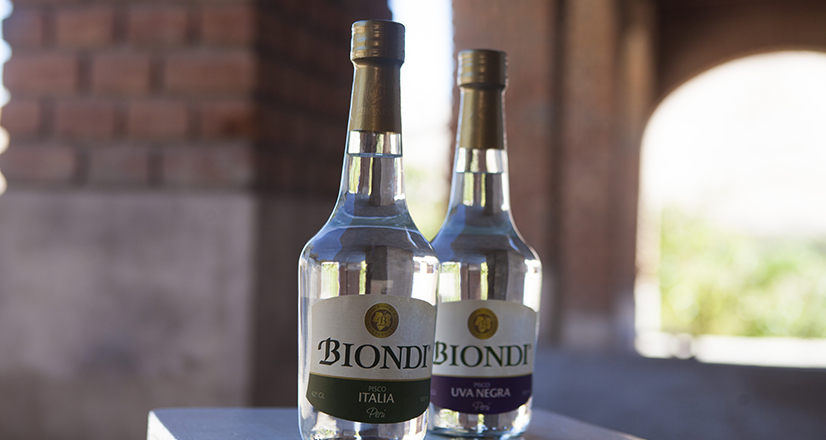
Pisco Biondi is one of the most sought after by the foreign public. Credit: Rafael Cornejo / PromPerú.
Experience that transcends
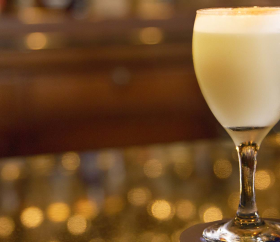
If you are tempted to do a pisco tasting, try a refreshing Chilcano or a consistent Pisco sour, do not hesitate to do the Ruta del pisco (Pisco Route). This initiative seeks to encourage wine tourism and invite the entire world to visit the different wineries that Peru has to offer. The tour includes two routes: Lima - Tacna and Chincha - Nasca.
Details
Pisco was declared Cultural Heritage of Peru by the National Institute of Culture in 1988, after an exhaustive investigation into the roots and origin of the distillate in the city of Pisco (Ica).
Sources: Gestión/ El Comercio/ Andina/ layemadelgusto.com/ wamanadventures
Follow us on social media
Facebook | Instagram | Twitter | YouTube