
Written by:
peru.travel
Wednesday, June 24, 2020
In this Page
There are more than a thousand destinations worldwide that have been declared a World Heritage Site by the United Nations Educational, Scientific and Cultural Organization (Unesco). Of that total, twelve are in Peru and are of great cultural and natural value not only for Peruvians, but for the rest of the world.
They are joined by others that are currently being evaluated by the international organization, such as the historic center of Trujillo, the archaeological complex of Pachacámac, Lake Titicaca, among others. Next, we present a list with the Peruvian destinations named World Heritage Sites. Come to visit them.
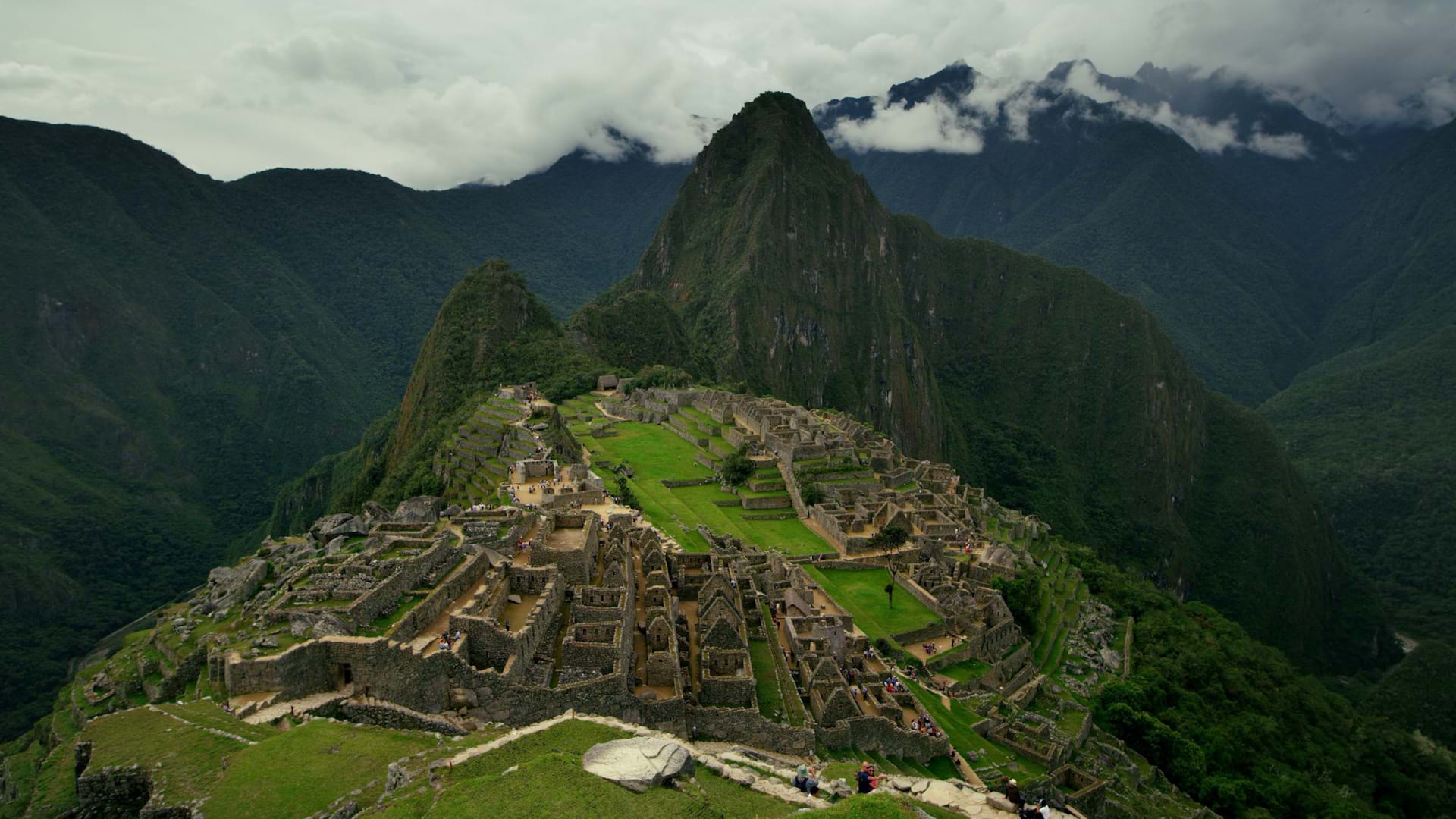
Historic Sanctuary of Machu Picchu
Located in Cusco, it is the most famous archaeological site in Peru. This citadel shelter temples, residences and platforms surrounded by imposing green mountains that represent the most beautiful fusion of architectural art and landscape, and a clear example of the great development of techniques and styles of Inca architecture.
This wonder of the modern world is visited every day by nearly 4 thousand tourists. Every morning a train leaves for the Machu Picchu station, located in Aguas Calientes. Here buses leave that go up to the archaeological site. The best time to visit this citadel is in the winter months, between April and November, when it does not rain.
City of Cusco
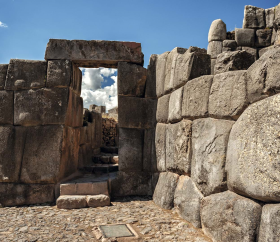
The ancient capital of the Tahuantinsuyo is a historical monument that houses impressive architectural remains. In it, samples of the Inca past and Spanish influence converge, such as the Sacsayhuamán fortress and the cathedral. The historic center was named a Cultural Heritage of Humanity by Unesco in 1983, which makes it a dazzling letter of presentation from Peru to the world.
From Lima, you can get to Cusco by plane or bus. Every day flights depart, which last about an hour and a half. By bus, the trip takes about 24 hours. The high season begins in mid-June and ends in late September.
Chan Chan Archaeological Zone
The Chimú capital is the largest mud city in pre-Hispanic America. Its palaces, decorated with borders of geometric figures, fish and birds, and protected by walls up to 12 meters high, are evidence of the great urban development that this culture reached.
It is located in the Moche Valley, 5 km from Trujillo. Its 20 km2 extension came to house 30 thousand inhabitants. It was declared a World Heritage Site in 1986.
Huascarán National Park
This park, which covers almost the entire Cordillera Blanca in Ancash, is a sample of the great beauty of the Peruvian Andean landscapes. At the foot of the snowy mountains, which make up one of the most beautiful natural settings in the world, important biodiversity develops; therefore, this area was declared a Natural Heritage of Humanity.
Within the park, there are 27 snowy mountains that exceed six thousand meters, as well as 663 glaciers, 269 lagoons and 41 rivers that form spaces of great scenic beauty and, at the same time, are ideal for practicing adventure sports and tourism in general.
Chavín Archaeological Complex
Located in the Callejón de Conchucos (Áncash), this ceremonial center of more than three thousand years old is the most important one left by the Chavín culture. In its time, it was a place of pilgrimage for the inhabitants of the north coast and the central Andes. It is a Cultural Heritage of Humanity since 1985.
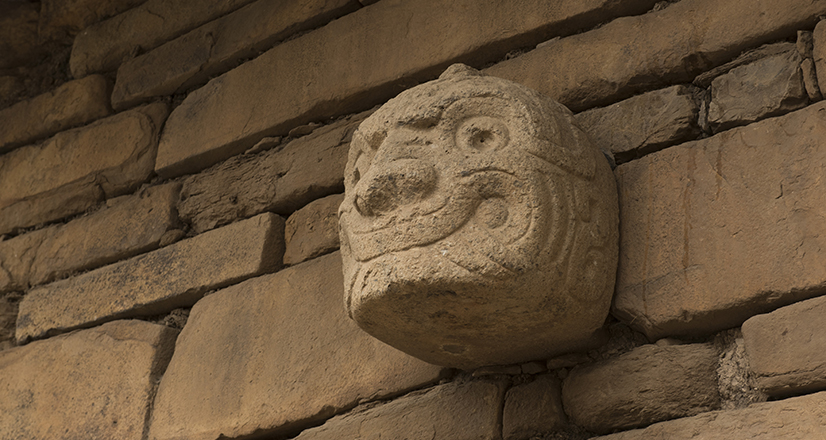
The Chavín Archaeological Complex is over three thousand years old. Credit: J. Vallejo / PromPerú.
Its most outstanding architectural constructions are two pyramids built at different times, which have underground passages, terraces, stairways and squares. The divinities of the Chavín culture are expressed in its rich iconography: abstract beings that combine human traits with others of felines, snakes and birds raptors that were engraved on their ceramics, sculpture, textiles and other materials.
Río Abiseo National Park
It is one of the few places recognized worldwide for its ecological and cultural benefits, because it houses the best preserved mountain forests in Peru and 36 archaeological complexes. Of these, the most notable is the Gran Pajatén. Therefore, it is one of the 23 places in the world considered a Mixed World Heritage Site.
It is located in the San Martín region and it has identified a thousand species of plants such as moss, ferns and orchids. Also, the area is inhabited by species such as the Andean bear and the mono choro de cola amarilla (yellow-tailed woolly monkey), both in danger of extinction.
Manu National Park
Located in the provinces of Manu (Madre de Dios) and Paucartambo (Cusco), it is the largest national park in Peru and probably the richest in biodiversity in the world. Its importance has been recognized not only by the Peruvian State, but also by Unesco, which declared it a Natural World Heritage Site in 1987.
More than 800 species of birds and 200 of mammals have been found in the area. Much of its natural wealth is due to its privileged location, and it is that it covers practically all the altitudinal floors: from the Cusco puna to the Amazon plain.
Historic Centre of Lima
"The City of Kings" was founded in 1535 to be the most important capital and the political center of Spanish domain in South America. The beauty of the buildings of its current historic center, the viceregal balconies, the cathedral and a Plaza Mayor with more than 400 years old, are part of its valuable legacy. It was declared a Cultural Heritage of Humanity in 1991.
Nasca Lines and the Pampas de Jumana
These geoglyphs were traced over 1800 years ago, but their origin remains a mystery to this day. There is no consensus among researchers regarding the role that these lines fulfilled. Some believe that it is some primitive irrigation system; others, like the American Paul Kosok, assure that they compose an enormous astronomical calendar. The truth is that they have been on the Pampas de Jumana for almost two thousand years, despite the winds and other climatic events.
The best alternative to observe the lines is flying over the area in a light plane. Another option is through its two viewpoints from where you can see three nearby figures. Any time of the year is good to visit these geoglyphs.
Arequipa Historical Center
It is a historical architectural treasure whose origins date back to the colonial era. The monumental buildings, which draw attention for the use of the sillar - white lava stone from the volcanoes surrounding the city– express a valuable architectural fusion between the European and the Peruvian.
Declared a World Heritage Site in 2000, its Plaza de Armas is the most representative public space in the city. Stand out the cathedral, built in the 17th century, and the Santa Catalina monastery, within whose walls lies a citadel made up of streets and cloisters or courtyards.
The Sacred City of Caral
Caral is considered the oldest culture in America and one of the oldest in the world. The discovery of these 5,000-year-old archaeological remains rewritten the history of the origin of civilizations in ancient Peru and generated a change in the conceptions of pre-Hispanic Peruvian man.
Pyramids, temples, residential spaces and an area of geoglyphs have been found in the enormous 66-hectare archaeological complex. In the excavations, remains of food products such as beans, chili and sweet potatoes were found. Also cotton, fishing nets and anchovy remains. This material shows that the population was mainly engaged in agriculture, fishing and commercial exchange.
Qhapaq Ñan
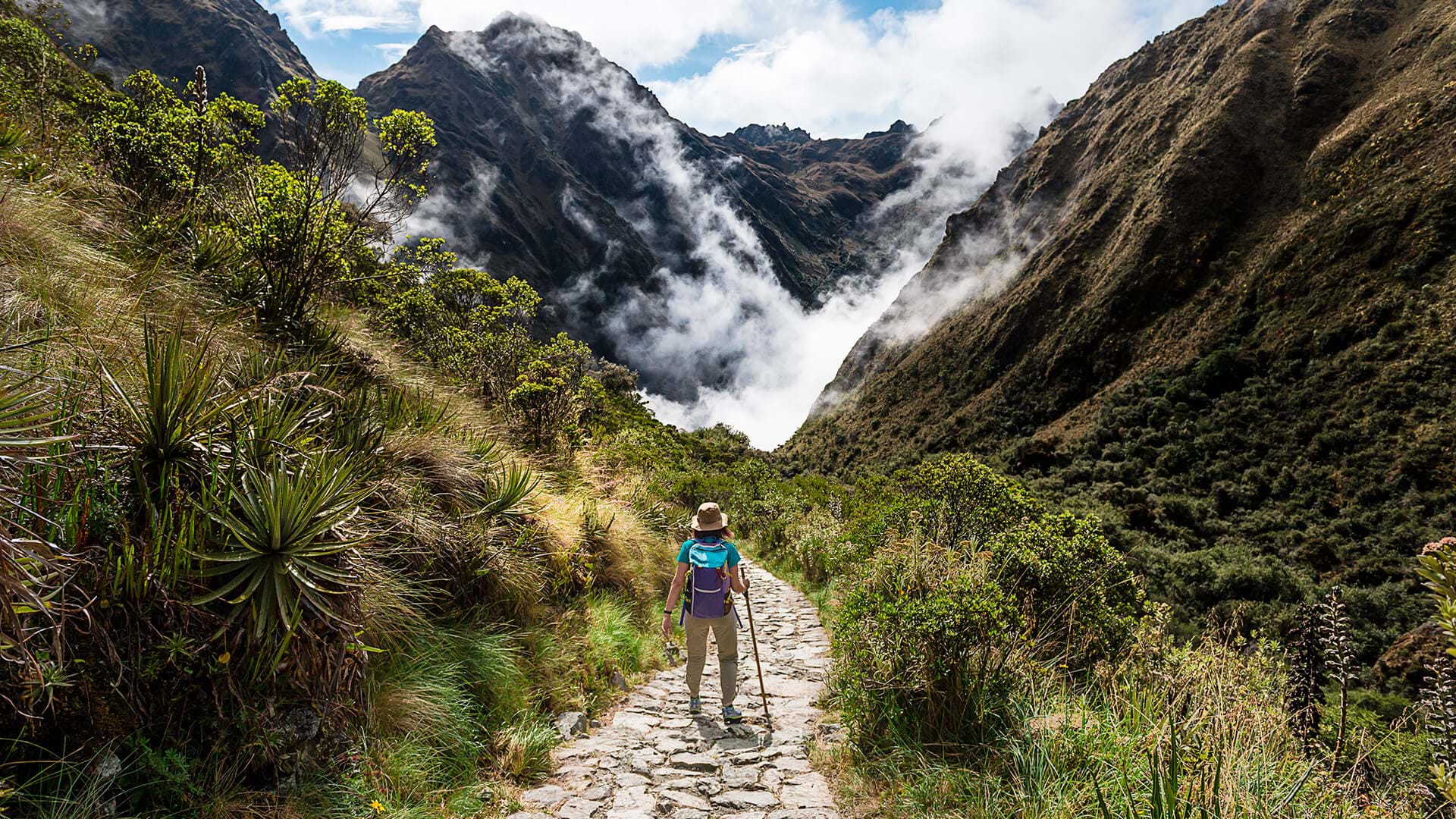
This network of roads of more than 60 thousand kilometers in length was the backbone of the political and economic power of the Incas, and connected production, administrative and ceremonial centers uniting the entire Tahuantinsuyo, facilitating trade and administration of the empire.
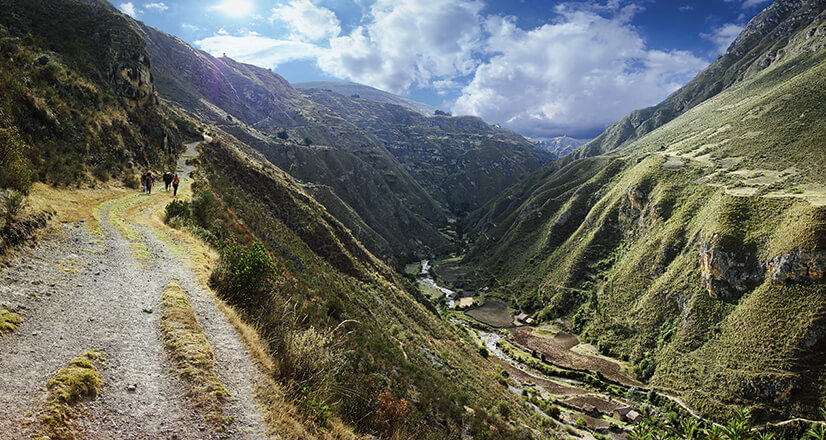
The Qhapaq Ñan road system is located in Cusco. One of its routes leads to Machu Picchu.
Credit: PromPerú.
According to historians, the Qhapaq Ñan formed the basis of Inca political expansion because it allowed the fast mobilization of armies and state officials. In addition, it facilitated the transport of valuable resources such as metals, wood, coca leaves, feathers and textiles.
Its best-known tourist section is the one that leads to the citadel of Machu Picchu. The route covers a distance of 45 km and it takes four days and three nights to complete it: the natural scenery is impressive.
Sources: RPP/ La Vanguadia
Follow us on social media
Facebook | Instagram | Twitter | TikTok | YouTube